

Why Lipedema Is Often Misunderstood
For years, many people with lipedema hear the same advice: exercise more, eat less, lose weight. This is precisely where one of the biggest misconceptions about lipedema lies.
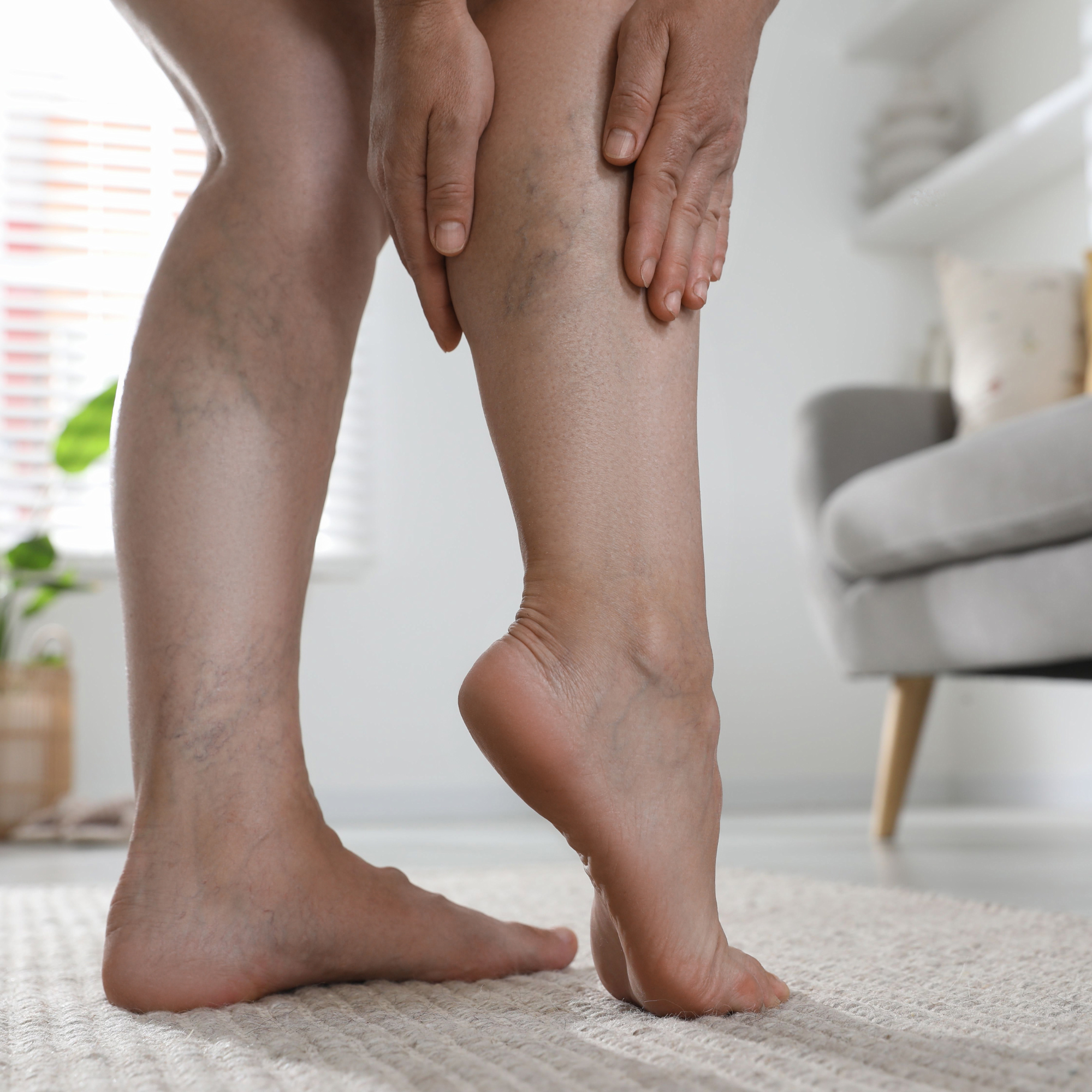
Lipedema is not simply weight gain; it is a chronic condition of the fatty tissue. It is typically characterized by a noticeable distribution of fat on the legs and, in some cases, the arms, while the hands and feet are usually spared.
Many women report that their body shape hardly changes despite a healthy diet and regular exercise. The symptoms are not caused solely by the fatty tissue, but also by changes in small blood and lymph vessels, which can contribute to pain, a feeling of tightness, and swelling
Causes and Correlations
To this day, it is not fully understood why lipedema develops. Nevertheless, several factors can be identified that may play a role in the development of the condition.
1. Why hormones likely play a central role
A notable characteristic of lipedema is its timing of onset. The condition often begins during periods of hormonal change, such as puberty, pregnancy, or menopause.
This observation suggests that female sex hormones may be involved in the changes to adipose tissue. However, it is not yet fully understood why some women are affected and others are not. Hormones likely influence the way fat is stored and distributed.
2. Why genetic factors may influence the course of the condition
Similar symptoms occur across multiple generations in many families. This suggests that hereditary factors may play a role.
It is likely not a single gene but rather an interaction of various genetic traits. These could influence how sensitively fat tissue, connective tissue, or blood vessels respond to hormonal signals.
3. The significance of small blood vessels and tissue
In lipedema, it appears that it is not only the amount of fat tissue that is altered. Experts also discuss changes in the smallest blood vessels and in tissue structure.
This can allow increased fluid to enter the tissue. At the same time, increased pressure builds up within the affected area. These processes could explain why many people with lipedema develop pain, a feeling of tightness, or increased sensitivity to pressure.
4. Why being overweight is not the cause
One of the most important differences from obesity is that lipedema is not caused by consuming too many calories.
While being overweight can exacerbate the symptoms, it is not considered the actual cause. Many people with the condition find that they can lose weight in their upper body while the affected areas on their legs or arms remain largely unchanged. It is precisely this pattern that is a key indicator of the condition.
Typical symptoms or signs of lipedema
The symptoms often develop gradually and are therefore not always correctly identified at first.
1. Pain often occurs independently of Stress
Many people with lipedema report pressure pain, even when there is no significant physical strain.
Interestingly, these symptoms are often not proportional to the visible extent of fat accumulation. Significant pain can occur even in the early stages. This distinguishes lipedema from many other forms of fat distribution.
2. The feeling of heaviness often affects daily life
A commonly described symptom is the feeling of heavy legs or arms.
This sensation of heaviness often increases throughout the day and can make standing or walking for long periods difficult. Many people with lipedema report that their symptoms worsen especially on warm days or after prolonged periods of physical activity.
3. Why Bruises Can Form More Easily
Another notable feature is an increased tendency to bruise.
Even minor bumps are often enough to cause visible bruising. It is believed that the fine blood vessels within the tissue are more sensitive and can therefore be injured more easily.
4. Swelling alters the sensation of tightness
Throughout the day, fluid can accumulate in the tissue.
This creates a sensation of tightness that many people with lipedema find uncomfortable or painful. These changes are often noticed more clearly, especially after sitting or standing for long periods.
What helps with lipedema in everyday life?
Even though lipedema cannot be completely cured, there are numerous ways to make daily life more comfortable and reduce symptoms.
1. Regular exercise supports tissue function
Exercise improves muscle activity and promotes the drainage of fluid from the tissue.
Activities that are particularly gentle on the joints, such as swimming, cycling, or walking, are frequently recommended. They relieve pressure on the joints while simultaneously allowing for regular muscle activation.
2. Compression can make daily life easier
Compression garments are among the most important conservative measures.
The external pressure can help reduce feelings of tightness and limit the accumulation of fluid in the tissues. Many people with lipedema
report noticeable relief in their daily lives as a result.
3. Maintaining a healthy weight can positively influence symptoms
Even though being overweight is not the cause of lipedema, excess body weight can increase the strain on the body.
A balanced diet therefore primarily supports overall well-being and helps avoid additional stress factors.
4. Consciously take breaks from prolonged sitting and standing
If the body remains in the same position for many hours, feelings of tension can increase.
Regular movement breaks, short walks, or simple activation exercises help stimulate blood circulation and relieve pressure on the tissues.
5. Do not underestimate the psychological strain
Lipedema affects more than just the body.
Many women experience social prejudice or feel misunderstood. Talking with specialists, self-help groups, or other people living with the condition can help you better understand the disease and make it easier to cope with it.

Even small changes in daily life can help positively impact quality of life with lipedema in the long term
Natural Support and Medicinal Plants
Naturopathic methods are often used as a complementary measure to support overall well-being. The focus here is not on treating lipedema itself, but rather on managing symptoms and promoting a healthy lifestyle. The scientific evidence varies depending on the plant, which is why naturopathic treatments should primarily be viewed as supportive measures.

Selected medicinal plants and natural substances traditionally used in naturopathy to support the management of lipedema.
- Artichoke is traditionally used in connection with digestive and metabolic processes. For this reason, it is frequently found in naturopathic approaches that support a balanced diet.
- Celandine has long been used in traditional herbal medicine and is primarily associated with liver and digestive functions.
- Angelica is traditionally valued in applications designed to promote general well-being and support various bodily functions.
- Horse chestnut is frequently used in treatments related to the legs, veins, and connective tissue and is therefore particularly relevant for symptoms associated with heavy legs.
- Thuja is primarily used in naturopathic and homeopathic approaches, where it plays a role in treating various individual symptoms.