

Why Estrogen Is Important for Much More Than Just Fertility
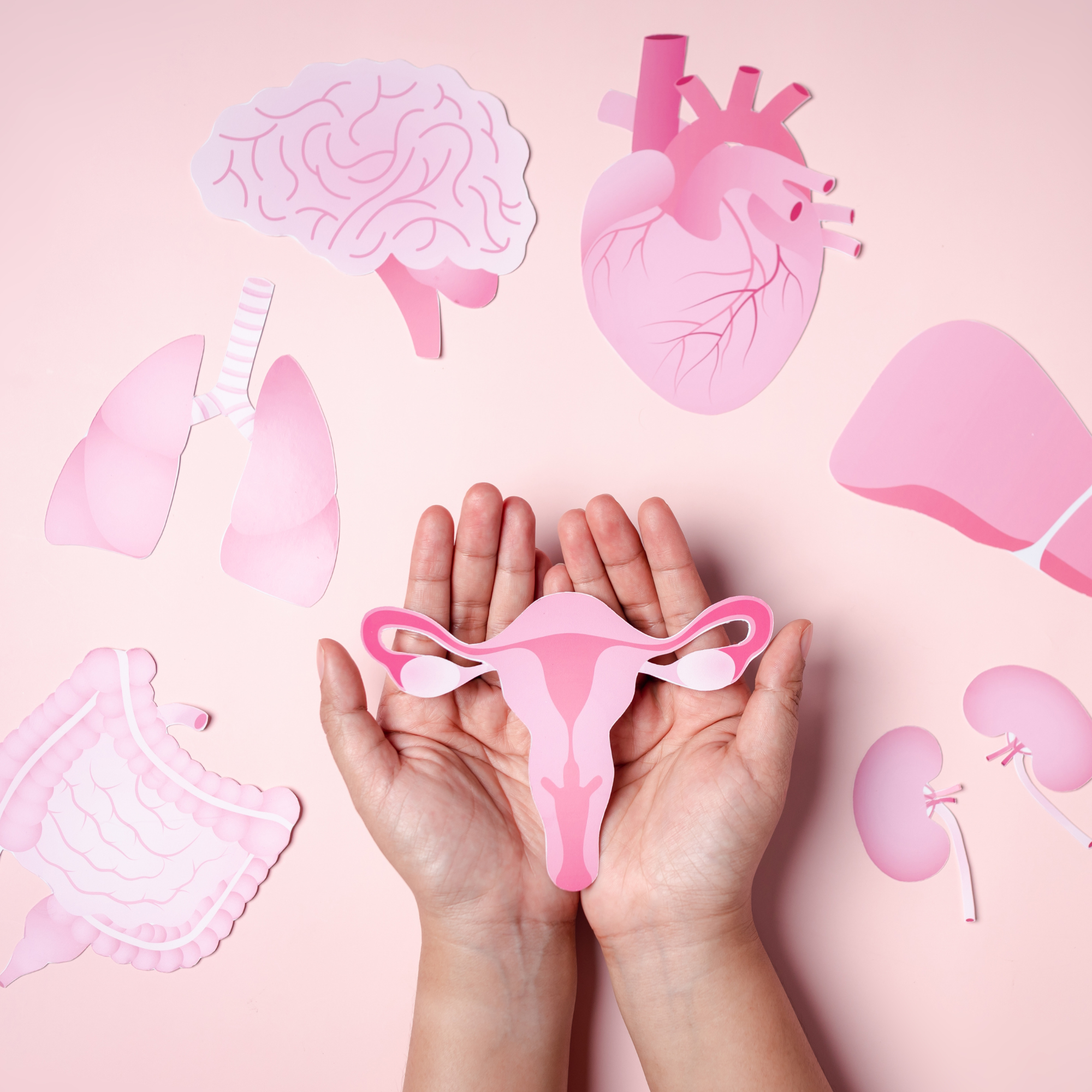
Many people associate estrogen exclusively with the female menstrual cycle. In fact, however, this hormone is one of the body’s most important signaling molecules. It influences numerous tissues and organ systems—from the skin and bones to the brain and cardiovascular system.
As long as there is sufficient estrogen, many processes occur almost unnoticed. However, when estrogen levels drop, connections become apparent that were previously barely noticed. Suddenly, sleep patterns change, the skin appears drier, moods fluctuate, or resilience decreases.
That is why estrogen deficiency is not just a gynecological issue. It often affects the entire body and can manifest itself on both a physical and emotional level.
Causes and Connections
A decline in estrogen levels is usually not caused by a single trigger. Often, multiple factors simultaneously affect hormonal balance.
1. Menopause alters hormonal regulation
The most common cause of estrogen deficiency is the natural hormonal shift surrounding menopause. As we age, ovarian activity decreases, resulting in less estrogen production.
It is interesting to note that symptoms can often begin years before the last menstrual period. Many changes occur gradually and are initially interpreted as normal signs of aging or stress reactions.
2. Stress can affect hormonal balance
The body does not distinguish between work-related pressure, emotional strain, or physical stress. In all cases, the production of stress hormones such as cortisol increases.
If the body is under constant stress, hormonal regulatory systems can become unbalanced. This affects processes that are also important for the production and regulation of sex hormones.
A frequently underestimated connection: Some symptoms are not triggered solely by declining estrogen levels, but are exacerbated by the interplay of hormonal changes and chronic stress.
3. Diet, weight, and exercise play a bigger role than many people think
The body needs sufficient energy and nutrients for hormone production. Very strict diets, being severely underweight, or excessive exercise can cause the body to downregulate hormonal functions.
This shows how closely metabolism and hormonal balance are linked. The body first assesses whether sufficient resources are available for basic functions. Only then do reproduction and hormonal balance take priority.
Typical symptoms or signs
The symptoms of estrogen deficiency can vary widely. Not every woman develops the same symptoms.
1. Sleep disturbances and hot flashes are among the most common signs
Many affected women first notice changes in their sleep. Night sweats, sudden awakenings, or difficulty falling asleep often occur alongside hot flashes.
One reason for this is that estrogen plays a role in regulating various neurotransmitters that influence sleep, temperature perception, and the nervous system.
2. Skin and mucous membranes lose moisture.
Estrogen supports moisture retention in the skin and mucous membranes. If levels drop, dry skin, tightness, or dry mucous membranes can result.
Many women initially perceive these changes as a cosmetic issue. In fact, however, they often reflect deeper hormonal processes
3. The mind is highly sensitive to hormonal changes
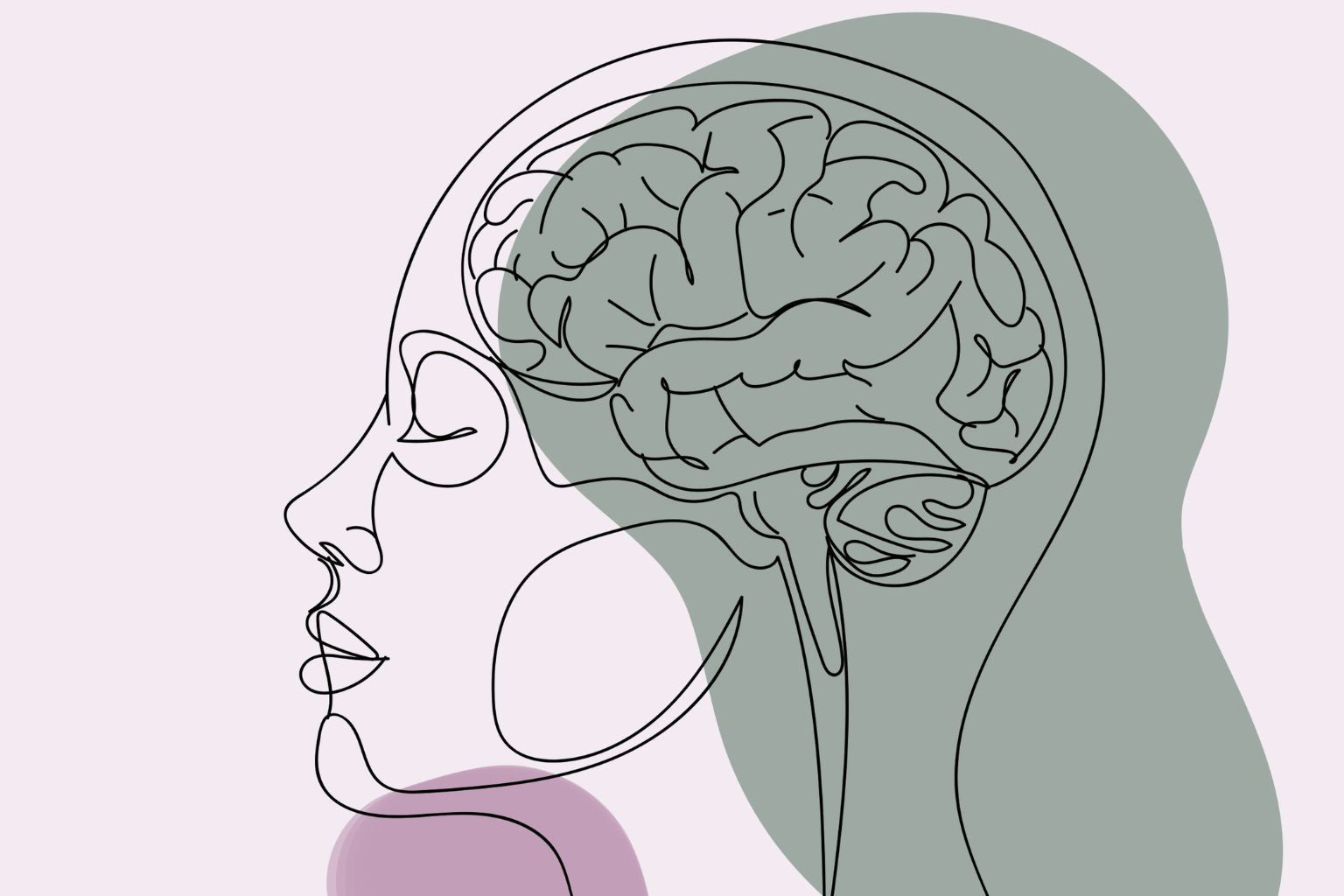
The brain is one of the organs that reacts particularly strongly to hormonal changes. Mood swings, increased irritability, inner restlessness, or reduced resilience may therefore occur.
An intriguing connection lies in the fact that hormones and emotions communicate with each other in both directions. Hormonal changes influence the psyche—at the same time, psychological stress can intensify hormonal processes.
4. The bones and cardiovascular system are often affected for a long time without being noticed
While hot flashes or sleep problems are immediately noticeable, other consequences develop gradually. Estrogen helps maintain bone density and also influences various mechanisms of the cardiovascular system.
Therefore, a long-standing deficiency is considered not only in terms of acute symptoms but also with regard to long-term health factors.

Sleep, skin, mental health, and the cardiovascular system are among the areas of the body that can be particularly sensitive to changes in estrogen levels.
What can help in everyday life
Small changes in daily life can make an important contribution to overall well-being.
1. Regular exercise as a natural balance
Moderate exercise supports metabolism, circulation, and stress regulation. Walking, cycling, swimming, or gentle strength training are particularly suitable.
What matters is not the intensity, but the regularity.
2. Consciously prioritize sleep
Sleep is one of the body’s most important regenerative processes. A regular sleep schedule and a relaxing evening routine can help relieve the body.
Especially during periods of hormonal change, the body often reacts sensitively to sleep deprivation.
3. Actively reduce sources of stress
Not all stress can be avoided. Nevertheless, it can be helpful to consciously schedule periods of rest.
Mindfulness exercises, meditation, yoga, or time spent in nature are often used to support the nervous system.
4. Ensure a balanced diet
A varied diet with sufficient high-quality fats, protein, vegetables, and fiber provides essential building blocks for numerous metabolic processes.
Especially in the long term, a balanced diet can help support the body during hormonal transition phases.
5. Take changes seriously
Many women get used to their symptoms over months or years. However, it can be helpful to have changes checked by a doctor early on.
The better the cause is understood, the more targeted the appropriate measures can be.
Natural support and medicinal plants for your immune system
Naturopathy has long focused on plants traditionally used to address hormonal changes. The emphasis is less on treating individual symptoms and more on holistically supporting overall well-being.

Lady’s mantle, hops, and Siberian rhubarb are among the natural substances traditionally used to support hormonal changes and general well-being.
- Lady's mantle ( ) is traditionally used in naturopathic approaches related to the female cycle and hormonal transition phases.
- Bugbane is frequently mentioned in connection with menopausal symptoms and plays a role in various herbal applications.
- Pomegranate contains phytochemicals and is often valued as a component of a balanced, plant-based diet.
- Hops are traditionally associated with relaxation and inner calm and are frequently found in naturopathic approaches.
- Siberian rhubarb is used in certain naturopathic applications related to menopause.
- Although magnesium is not classified as a medicinal plant, it is often considered in connection with the nervous system, muscle function, and general well-being.