


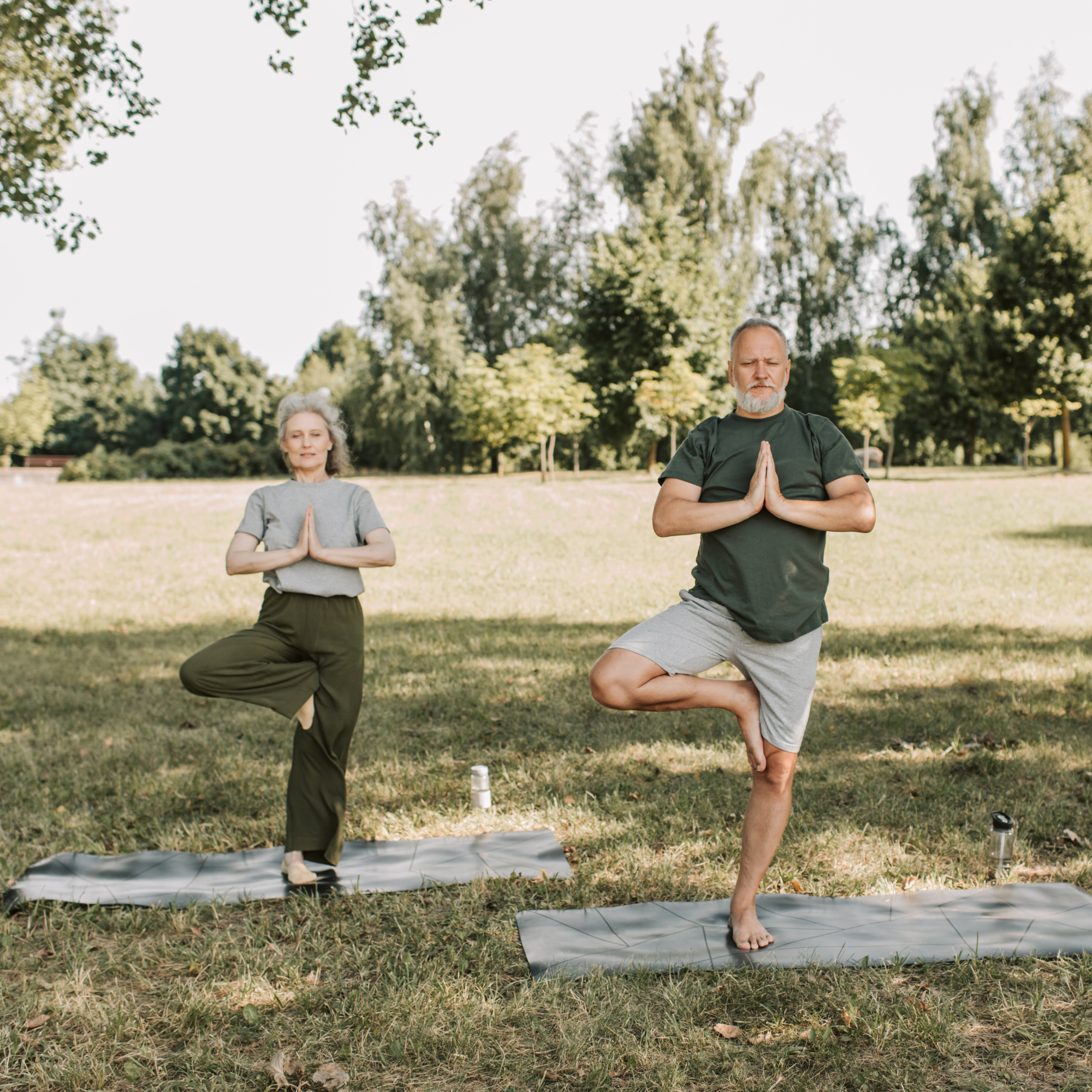
What is longevity?
Longevity refers to the desire to live as long as possible in good health, remaining active and independent.
It is not just about living a long life, but above all about maintaining a high quality of life for as many years as possible. That is why longevity focuses on how people can age healthily and promote their well-being over the long term.
The topic is gaining increasing attention worldwide and is currently the subject of intensive research in both the scientific and healthcare communities.
Why is longevity becoming increasingly popular?
Interest in longevity is growing steadily. More and more people are asking themselves how they can maintain their health, vitality, and quality of life for as long as possible. Various social and scientific developments are contributing to this trend.
1. Rising life expectancy
On average, people today live longer than they did just a few generations ago. As a result, there is growing interest in spending those additional years of life as healthily and actively as possible.
2. Focus on quality of life
For many people, the focus is not just on living a long life, but above all on how they can maintain their vitality, independence, and well-being for as long as possible.
3. Greater health awareness
Topics such as nutrition, exercise, sleep, and prevention are playing an increasingly important role in many people’s daily lives. As a result, longevity is also coming more into focus.
4. New Scientific Findings
Research is constantly yielding new insights into the factors that can influence healthy aging. As a result, public interest in the topic is steadily growing.
5. Desire for an Active Old Age
Many people want to remain physically fit, mentally active, and socially engaged even in their later years. Longevity is all about achieving precisely this goal.

Longevity is influenced by various factors. Aspects such as quality of life, health awareness, scientific findings, and an active lifestyle all contribute to maintaining health, vitality, and well-being for as long as possible.
The Most Important Factors for a Long Life
How long—and, above all, how healthily—we live is influenced by many different factors. While we cannot change some of these factors, we can actively shape many others through our lifestyle choices.
1. Nutrition & Longevity
A balanced diet provides the body with essential nutrients and can help maintain health and vitality in the long term.
2. Exercise
Regular physical activity supports the heart, muscles, and metabolism and is one of the most important foundations of a healthy lifestyle.
3. Sleep
Adequate and restful sleep is important for recovery, performance, and overall well-being.
4. Stress Management & Mental Health
Consciously managing stress and nurturing mental health can make an important contribution to healthy aging.
5. Social Relationships
Friendships, family, and social connections promote not only emotional well-being, but are also associated with a higher quality of life.
6. Prevention & Health Screening
Regular checkups and taking a proactive approach to one’s own health can help identify risks early on.
7. Lifestyle & Habits
Avoiding smoking, drinking alcohol in moderation, and maintaining healthy daily routines can have a positive impact on long-term health.
8. Genetic Predisposition
Genes also play a role. Nevertheless, studies show that lifestyle factors can have a significant influence on how healthily we age.
What We Can Learn from the Blue Zones
“Blue Zones” are regions of the world where an above-average number of people reach an advanced age and often remain healthy and active for a long time. Researchers have identified certain commonalities in these regions that are considered potential factors for healthy aging.
1. Sardinia (Italy)
People maintain close family ties, get plenty of physical activity in their daily lives, and follow a traditional, balanced diet.
2. Okinawa (Japan)
A plant-based diet, social connections, and a mindful lifestyle characterize the daily lives of many residents.
3. Nicoya (Costa Rica)
Here, regular exercise, strong communities, and a positive outlook on life play an important role.
4. Ikaria (Greece)
The Mediterranean diet, ample rest, and a slower pace of life are often associated with high life expectancy.
5. Loma Linda (California)
Healthy habits, social connections, and a mindful approach to health are central here.
6. Common characteristics of the Blue Zones
- Plenty of physical activity in daily life
- A predominantly plant-based diet
- Strong social relationships
- A sense of purpose and joy in life
- Conscious stress management
- Regular periods of rest
The Blue Zones show that longevity is often not attributable to a single factor. Rather, the interplay of various habits and lifestyles appears to play a key role in leading a long and healthy life.
Longevity in Everyday Life: Small Habits with a Big Impact
Longevity doesn’t have to be complicated. Often, it’s the small, conscious decisions we make in our daily lives that can contribute to greater well-being and quality of life in the long run.
1. Stay mentally active.
Reading, solving puzzles, playing music, or learning new skills can help keep your brain engaged on a regular basis.
2. Find meaning in everyday life
People who have goals, passions, or tasks that are important to them often report higher life satisfaction.
3. Consciously practice gratitude
Consciously acknowledging positive experiences can strengthen your perspective and contribute to greater satisfaction.
4. Stay curious
New experiences, travel, or discovering new interests can bring variety to daily life and enrich the mind.
5. Reflect regularly
Consciously setting aside time for reflection, goals, and personal development can help you maintain balance in the long term.
6. Medicinal Plants for Vitality & Healthy Aging
Longevity means more than just a long life—the focus is on the goal of spending as many years as possible in good health, remaining active, and maintaining vitality. In addition to nutrition, exercise, and a mindful lifestyle, many people also rely on natural support. Certain medicinal plants are traditionally used to promote regeneration, well-being, and the body’s own To promote these processes. Find out here which plants are particularly popular for this purpose and how they are traditionally used.

Traditionally used medicinal plants to support vitality, regeneration, and well-being as part of healthy and active aging.
- Pomegranate is rich in antioxidants and is traditionally used to protect cells from oxidative stress.
- Angelica is traditionally used to support general well-being and promote the body’s natural resilience.
- Kaolin is frequently used in naturopathy to aid digestion and support internal balance.
- Siberian ginseng is considered a classic adaptogenic plant and is traditionally used to support energy, resilience, and regeneration.
- Yohimbe is traditionally used to promote renewed strength and vitality in cases of physical and mental exhaustion.
- Tartaric acid is used in traditional naturopathy to support metabolic processes and promote general well-being.