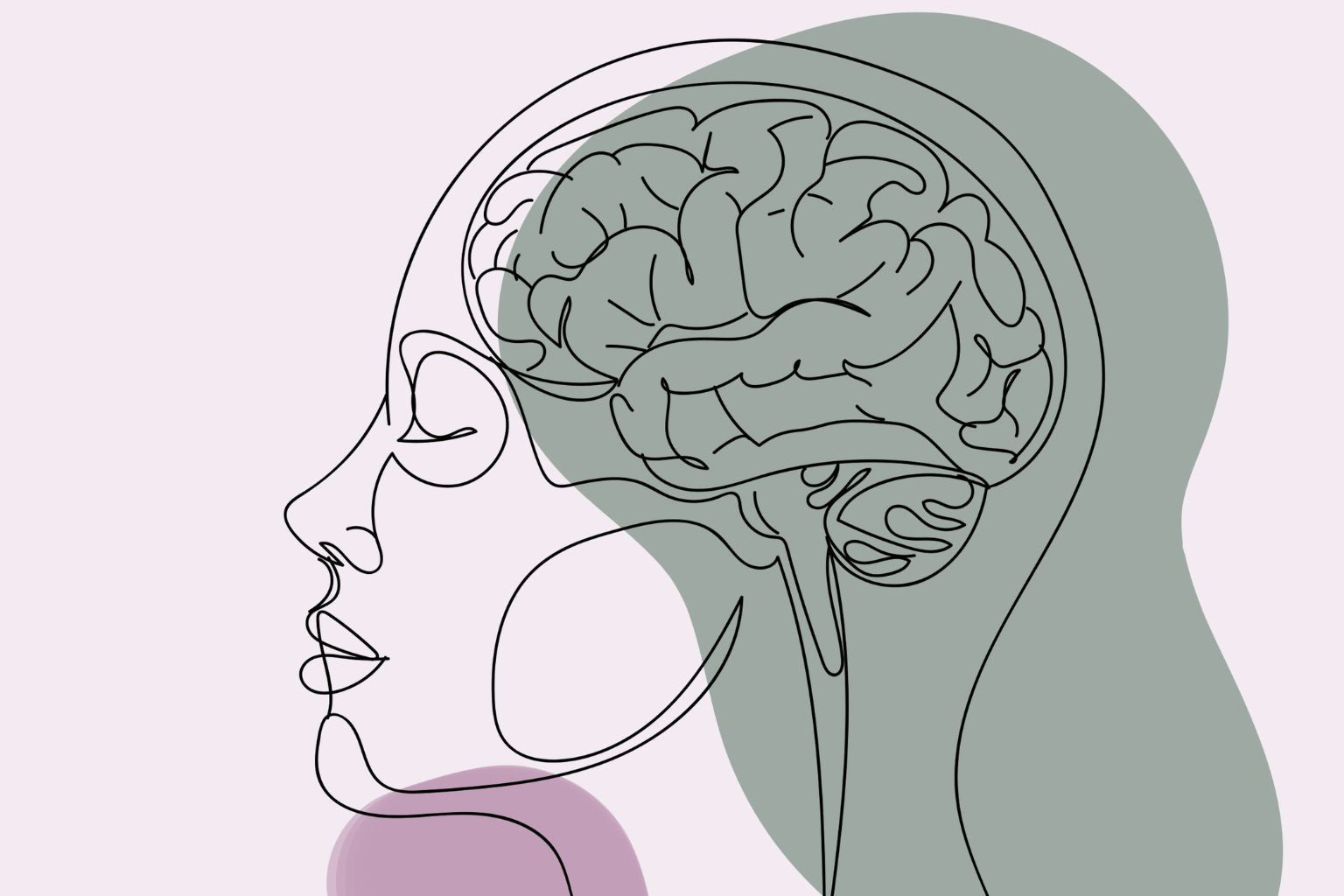



What is stress and how does it develop?
Essentially, stress is the body’s natural response to pressures or challenges in everyday life.
1. Acute stress
Short-term stress is caused, for example, by time pressure, conflicts, or high demands. In response, the body releases stress hormones such as adrenaline and cortisol to enable a quick reaction. In small amounts, stress can even boost concentration and performance.
2. Chronic Stress
If stress persists over a longer period, it can take a toll on both the body and the mind. Chronic stress often arises from ongoing pressure at work, personal worries, lack of sleep, or a lack of rest periods.
If stress persists and symptoms such as exhaustion, sleep problems, or inner restlessness occur, it is important to ensure sufficient rest and a healthy work-life balance.
Recognizing typical symptoms of stress
Stress can manifest itself both physically and mentally. The symptoms often vary widely and are not always directly associated with stress in everyday life.
1. Physical symptoms
Common signs include headaches, muscle tension, fatigue, sleep problems, or stomach issues. Palpitations or inner restlessness may also occur.
2. Emotional symptoms
Stress can manifest as irritability, nervousness, tension, or a feeling of being overwhelmed. Many people also feel exhausted or unbalanced more quickly.
3. Mental symptoms
Difficulty concentrating, racing thoughts, or trouble unwinding are typical signs of persistent stress.
If stress symptoms persist over a longer period, it is important to consciously ensure adequate rest and a healthy balance.

Small changes in daily life can help reduce stress more consciously and strengthen inner balance.
How does stress affect the body and mind?
Stress can manifest itself both physically and mentally. Short-term stress is a natural reaction of the body, but prolonged stress can significantly impair well-being.
1. Effects on the body
Stress can lead to tension, headaches, sleep problems, or exhaustion, among other things. Heart palpitations, stomach problems, or a weakened immune system may also occur.
2. Effects on the mind
Many people react to stress with inner restlessness, irritability, or difficulty concentrating. Chronic stress can also affect mood and intensify feelings of being overwhelmed.
3. Lack of rest takes a toll on the body
When relaxation and breaks are missing from daily life, the body struggles to regenerate and recharge.
That’s why it’s important to recognize stress early on and consciously ensure balance and rest.
How to support your body and mind in daily life
Stress often arises not just from individual situations, but from constant strain, lack of rest, and too little balance in daily life. This makes it all the more important to consciously pay attention to your own needs and create small routines that benefit you in the long term.
1. Conscious breaks & relaxation
Short breaks help relax the body and mind and recharge your batteries. Breathing exercises, meditation, yoga, or small moments of well-being in daily life can help you find inner peace and consciously let go of stress.
2. Exercise as Natural Balance
Walks, sports, or exercise in the fresh air promote well-being and help many people relieve inner tension. Even short bursts of activity can have a positive effect on energy levels and mood.
3. Sleep, Nutrition & Balance
Getting enough sleep and maintaining a balanced diet also play an important role in managing stress. Restful sleep supports recovery, while essential nutrients can boost concentration, energy, and resilience. The combination of exercise, mindful eating, and regular breaks helps bring more balance to daily life in the long term.
These medicinal plants can help with stress
Chronic stress can not only affect well-being but also impact sleep, concentration, and energy levels. Certain medicinal plants are traditionally used to naturally support relaxation, inner balance, and stress resilience. We’ve compiled a list of the most popular plants and their traditional uses for you here.

Discover Zimply Natural’s medicinal plants, such as angelica, oats, and lemon balm, which help promote inner peace, balance, and well-being.
- Angelica supports overall well-being.
- Oats can help with stress and exhaustion.
- Silver birch promotes elimination and drainage.
- Lemon balm has a calming and relaxing effect.
- Black walnut is traditionally used to restore balance.
- Kava-kava can promote inner peace and relaxation.