

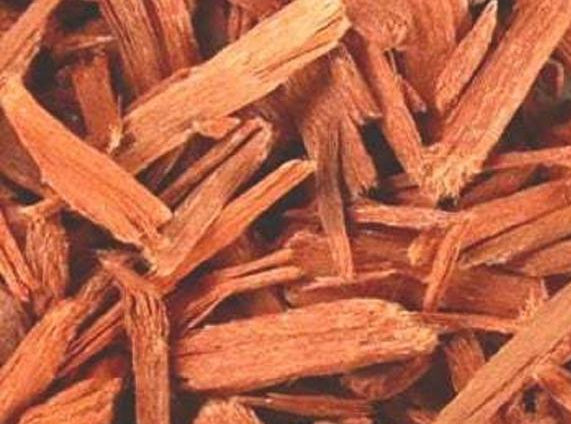
Africa's love tree – a plant used in Maasai rituals. Alpha-2 antagonist: releases norepinephrine, increases blood flow to the genitals. Slightly toxic. High doses require a prescription. Start with a low dose!
Interesting facts about yohimbe
- Among the Maasai, yohimbe is the main ingredient in formulas used for initiation rites—the transition into the warrior community was traditionally marked by the use of yohimbe bark.
- Older trees accumulate increasing amounts of yohimbine in their bark: the older the tree, the higher the active ingredient content—making it more valuable from a pharmacological standpoint for harvesting.
- Yohimbine is also used in the bodybuilding community: as an alpha-2 antagonist, it inhibits lipolysis in fat cells and is said to support fat loss.
Effects & Properties
Yohimbine (alpha-2 adrenergic receptor antagonist): selectively blocks presynaptic alpha-2 adrenergic receptors—inhibitory receptors that suppress norepinephrine release via negative feedback. Yohimbine blockade reverses this inhibition → increased norepinephrine → activation of the sympathetic nervous system. Vasodilation: Alpha-2 blockade of blood vessels → vasodilation in the genital region → improved penile/clitoral blood flow. CNS effect: Inhibition of central nervous system alpha-2 receptors → anxiolysis – stress and performance anxiety are reduced. Slightly toxic: Start with a low dose and gradually increase it!
Features: aphrodisiac, libido-boosting, erection-enhancing, blood pressure-lowering, stimulating, promotes blood circulation.
Applications
Yohimbe for Erectile Dysfunction
Erectile dysfunction can have vascular or psychogenic causes. Vascular ED: The arterioles of the erectile tissue do not dilate sufficiently, and the corpora cavernosa do not fill with enough blood. Psychogenic ED: Performance anxiety activates the sympathetic nervous system; the effect of norepinephrine causes the arteries of the erectile tissue to constrict—preventing an erection. Yohimbine acts on both: It causes alpha-2-mediated vasodilation of the penile arteries and centrally inhibits stress-mediated sympathetic overactivity. Its efficacy in psychogenic ED has been demonstrated in several controlled studies (Ernst & Pittler, 1998).
Pausinystalia johimbe for loss of libido
A loss of libido is often caused by chronic stress (which suppresses gonadotropins and lowers testosterone) and psychogenic factors (such as fear of failure). Yohimbine centrally inhibits the alpha-2 receptors in limbic structures, which are responsible for the stress-anxiety response. Less anxiety and stress overstimulation means greater capacity for sexual stimulation. The release of norepinephrine further increases sexual arousal.
Yohimbe for fatigue
Alpha-2 adrenoreceptors regulate vasoconstriction in peripheral blood vessels. In cases of circulatory disorders, alpha-2-mediated vasoconstriction is overactive—yohimbine blocks these receptors, improving blood flow. In cases of exhaustion: The release of norepinephrine increases sympathetic activation—alertness, concentration, and responsiveness increase. The improved blood flow supplies cells with more oxygen.
Instructions for Use
Bark used as a herbal tea (available only in pharmacies). High-dose yohimbine preparations require a prescription. Start with a low dose and gradually increase. Take as a short course of treatment.
Pregnancy & Breastfeeding
DO NOT use – increases blood flow; effects on the fetus cannot be predicted.
Plant Profile
- Scientific name: Pausinystalia johimbe (K.Schum.) Pierre ex Beille
- Plant family: Madder family (Rubiaceae)
- Other names: Love Tree, Lustwood, Corynanthe johimbe
- Flowering period: Year-round (tropical)
- Origin: Tropical Central Africa
- Toxicity: Slightly toxic
