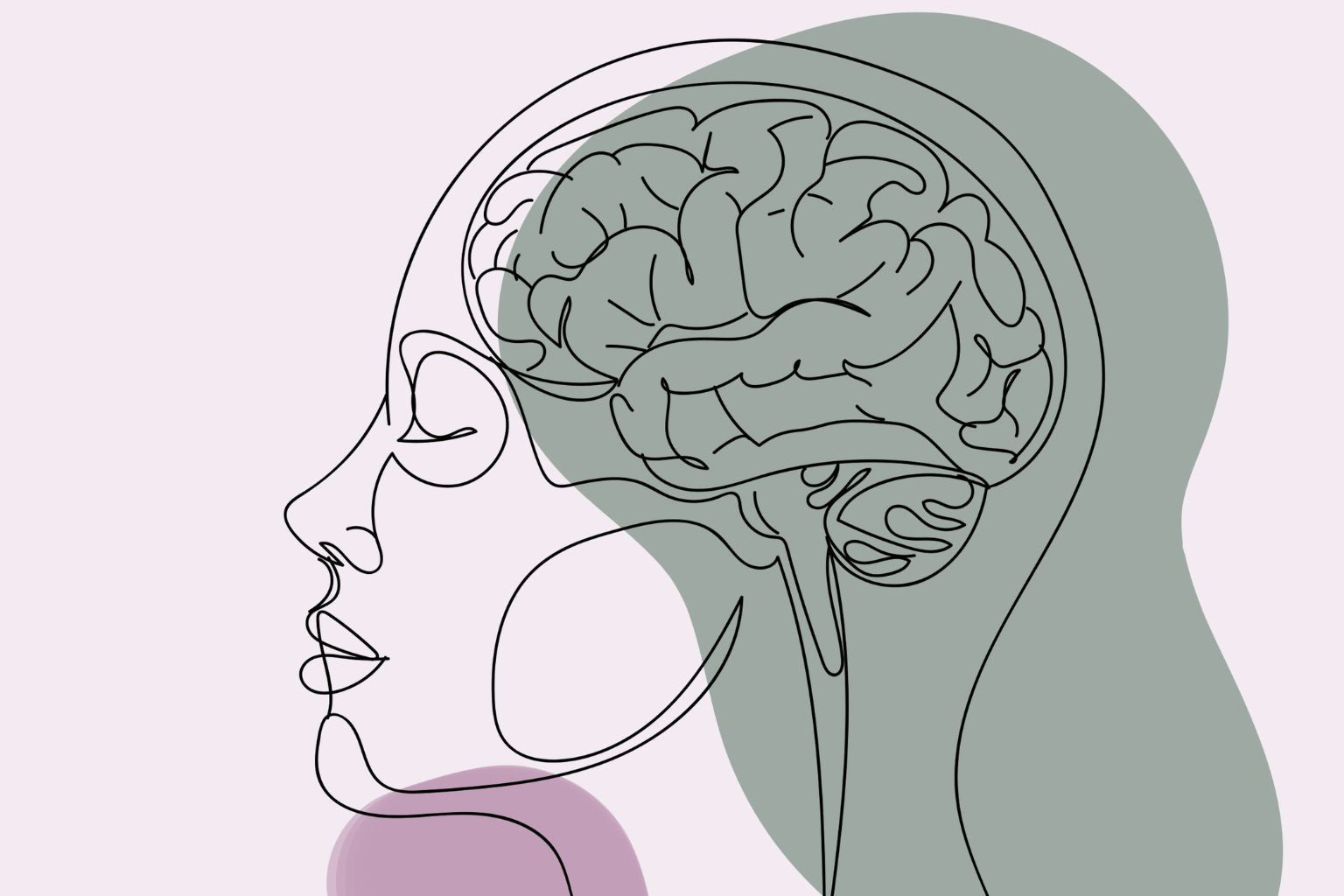


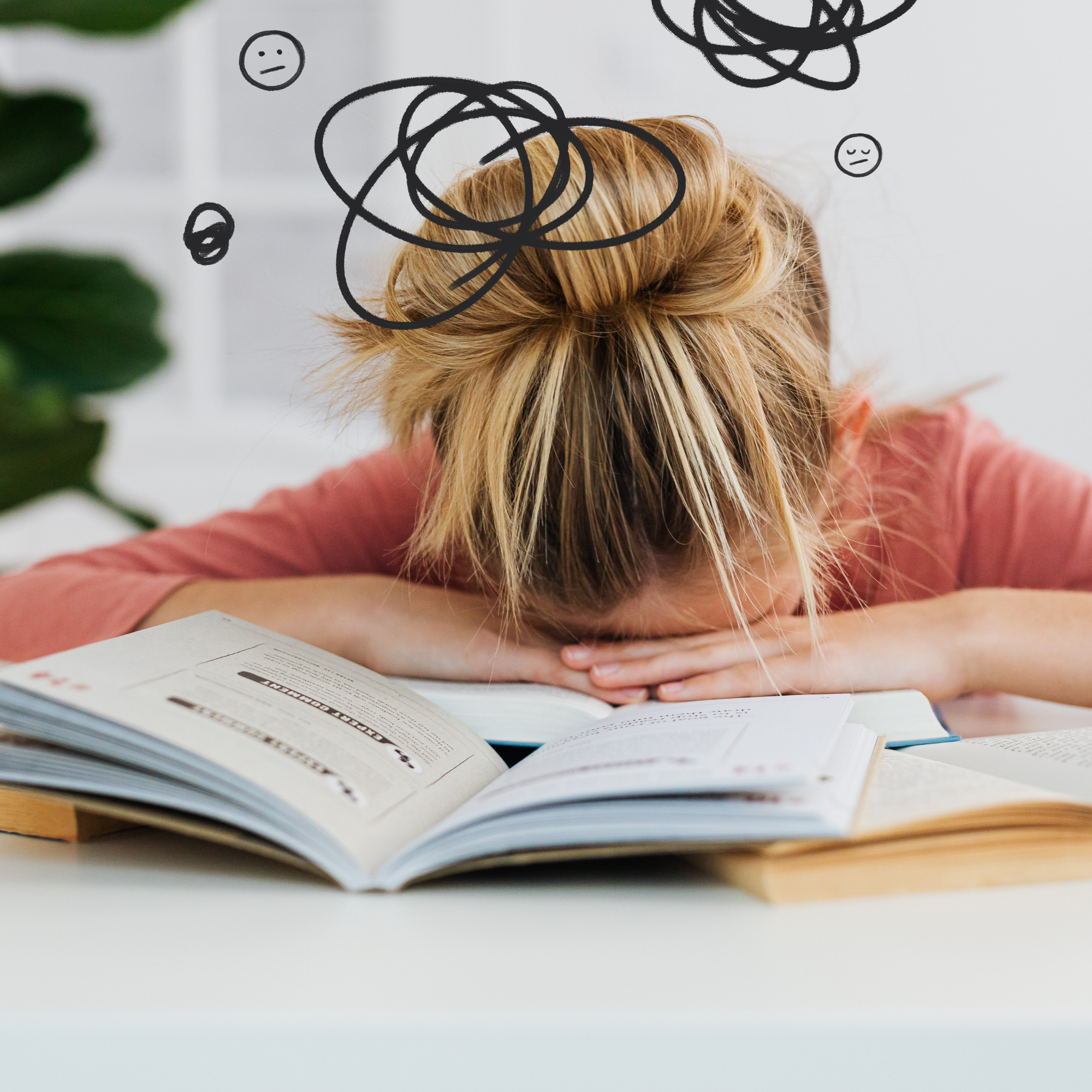
What is test anxiety?
Test anxiety refers to intense inner tension or fear of exams and high-stakes situations. It can manifest itself both physically and emotionally and can affect concentration and performance.
Typical signs may include:
- Rapid heartbeat
- Nervousness
- Difficulty concentrating
- Sleep disturbances
- Self-doubt
- Mental blank during the exam
Many people who experience this are very worried about making mistakes or failing. This often creates additional pressure, which can make studying and the exam situation more difficult.
Test anxiety is not uncommon—many students and even adults in exam and assessment situations are familiar with this feeling.
Pathological Model of Test Anxiety
The pathological model of test anxiety examines how fear of exams develops and why some people suffer from it more than others.
Various factors interact in this process:
1. Physical reactions
The body releases stress hormones such as adrenaline or cortisol. This can lead to symptoms such as a racing heart, trembling, or sweating.
2. Negative Thoughts
Many people affected are preoccupied with the fear of failing or not being good enough.
3. High Pressure to Perform
External expectations or self-imposed pressure can further intensify the anxiety.
4. Past Experiences
Negative experiences or bad exam experiences can lead to new exam situations being perceived as particularly stressful.
These factors can influence one another and lead to exams being perceived as increasingly stressful.
What helps with test anxiety?
Test anxiety can be very stressful—but at the same time, there are various ways to better cope with the situation and bring more calm into your daily life.
1. Go into the exam well-prepared
A realistic study plan can help you stay organized and gain more confidence.
2. Consciously schedule breaks
Regular breaks support concentration and mental performance.
3. Use relaxation techniques
Breathing exercises, meditation, or progressive muscle relaxation can help reduce nervousness.
4. Focus on your own progress
Constantly comparing yourself to others often puts you under additional pressure. It’s more helpful to recognize your own progress.
5. Ensure enough sleep and exercise
Both can help you cope better with stress and clear your mind.
My Child Has Test Anxiety: Here’s How You Can Help
When children or teens suffer from test anxiety, what they want most is understanding and reassurance. Parents can do a lot to help reduce the pressure.
Take the pressure off instead of emphasizing performance
Excessive expectations can intensify anxiety. Understanding and patience often help more than extra motivation.
Create structure and a sense of security
Set study times, realistic learning goals, and a regular daily routine—these provide stability for many children
Talk openly about concerns
Children should feel they can talk about their fears without being judged or criticized.
Build self-confidence
Praising effort and progress can help shift the focus away from the grade to to manage your own performance.
Seeking Support
If exam anxiety becomes very severe or consistently interferes with daily life, professional help may be beneficial.

With understanding, patience, and simple everyday tips, children and teens can learn to cope with exam stress in a more relaxed way.
Treating Test Anxiety Naturally: What Options Are Available?
Many people with test anxiety seek gentle, natural support to find greater calm, concentration, and inner balance.
Possible naturopathic approaches include:
1. Relaxation Techniques
Meditation, breathing exercises, or yoga can help reduce stress and clear the mind.
2. Medicinal plants
Certain plants such as valerian, passionflower, or lemon balm are traditionally used to promote calm and relaxation.
3. Bach flower remedies
These are often used to gently address emotional stress and inner restlessness.
4. Healing stones
Some people find healing stones such as amethyst or rose quartz helpful during stressful times.
5. Home Remedies & Rituals
Chamomile tea, lavender, or small calming routines can help you unwind better before exams.
6. Adequate Sleep & Exercise
Regular exercise and sufficient sleep support concentration and mental resilience.
Natural methods can be a helpful supplement—especially when combined with good preparation and mindful self-care.
Medicinal Plants for Test Anxiety
During stressful exam periods, many people seek natural support to promote inner peace, concentration, and composure. Certain medicinal plants are traditionally used to support the nervous system and promote emotional balance. Here’s an overview of the plants most commonly used for this purpose.

These medicinal plants are traditionally used to naturally support inner peace, concentration, and emotional balance during stressful exam periods.
- Angelica is traditionally used to support inner strength and resilience in stressful situations.
- Wild jasmine is known for its calming properties and is often used to relieve nervousness.
- St. John’s Wort is traditionally used to support mood and relieve inner tension.
- Lemon balm can have a calming effect and is often used to promote relaxation and concentration.
- Kava-kava has a relaxing effect and lifts the mood.