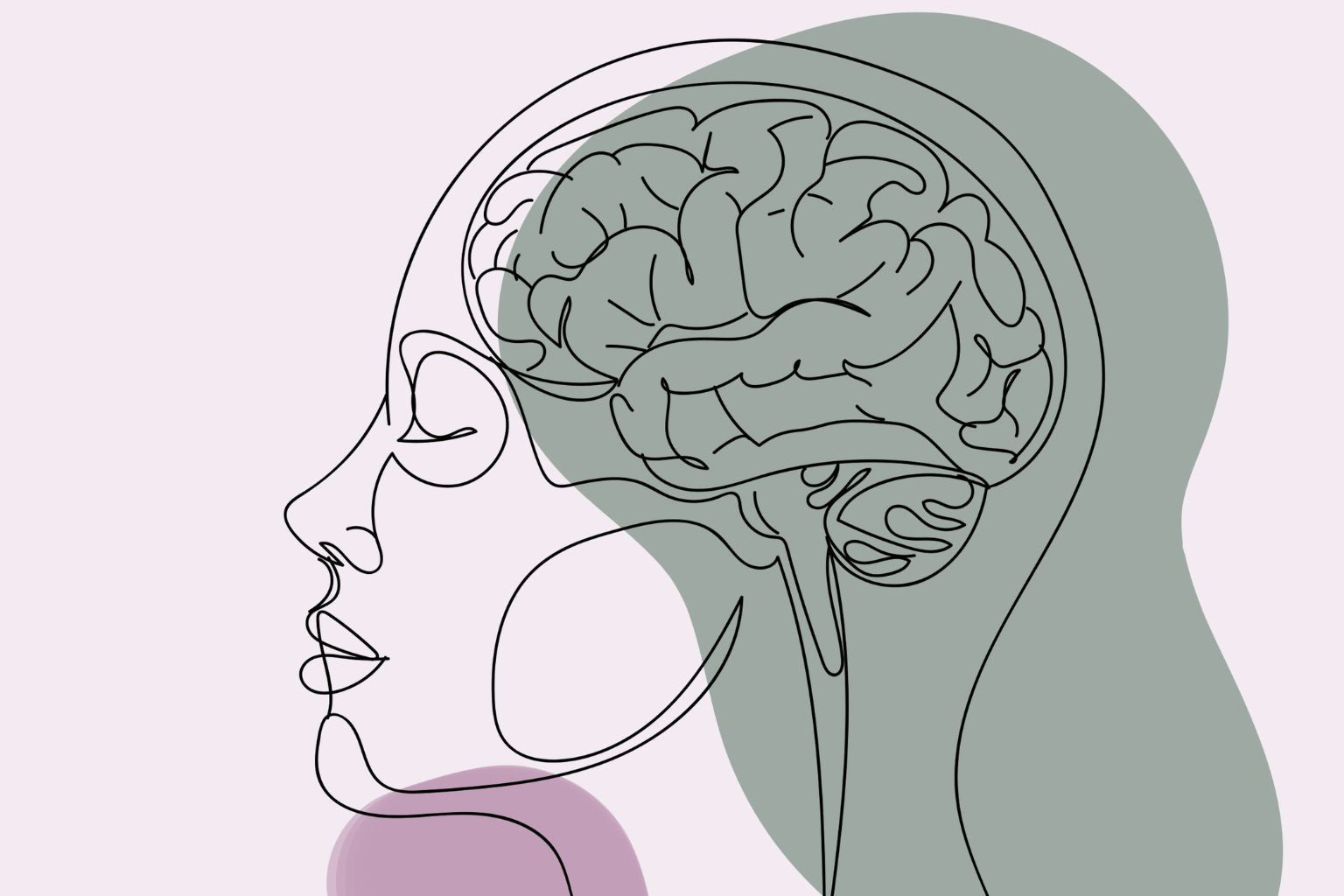


What happens in the body when you have an allergy?
In an allergic reaction, the immune system overreacts to substances that are actually harmless. These so-called allergens can include, for example, pollen, animal dander, house dust, or certain foods.
The immune system mistakenly classifies these substances as a threat and triggers a defensive response. This involves the release of histamine and other inflammatory substances, which trigger typical allergy symptoms.
1. The Role of the Immune System
Normally, the immune system protects us from pathogens such as viruses or bacteria. In the case of an allergy, however, this defense is directed against harmless environmental substances. This results in inflammatory reactions that can affect the skin, respiratory tract, or digestive system.
2. Why Histamine Causes Symptoms
Histamine plays a central role in allergic reactions. The substance dilates blood vessels and triggers inflammatory processes. This can lead to symptoms such as:
- Sneezing
- Runny nose
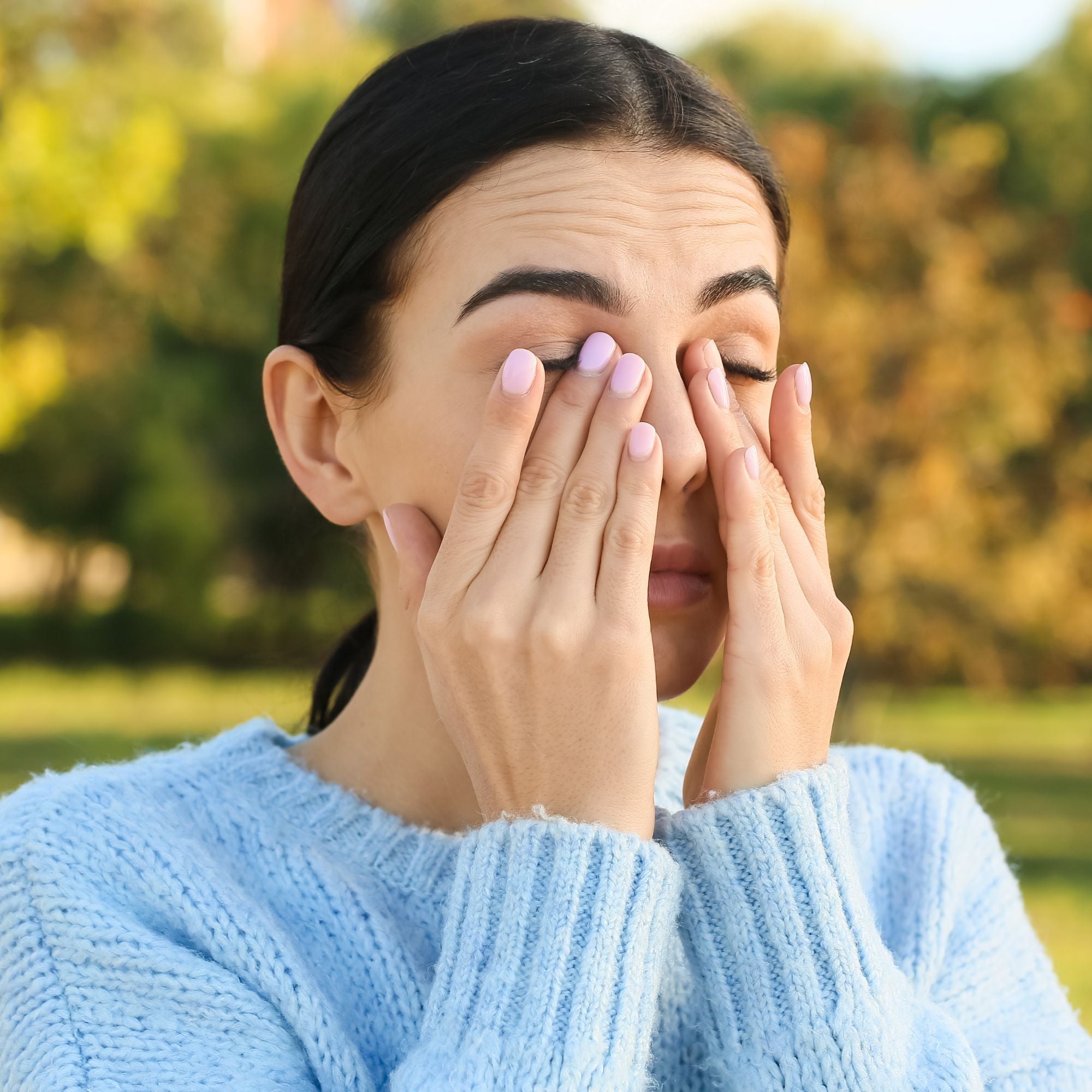
- Itchy eyes
- Skin irritation
- Breathing problems
Why Do Allergies Develop?
The exact causes are not fully understood. Experts believe that several factors interact.
1. Genetic predisposition
Allergies tend to run in families. People with allergic parents often have a higher risk of developing allergies themselves.
2. Environment and lifestyle
Environmental factors also appear to play a role. Air pollution, diet, and excessive hygiene are frequently discussed.
3. Stress and the Immune System
Chronic stress can affect the immune system and further exacerbate allergic symptoms.
Typical Symptoms of an Allergy
Symptoms can vary depending on the type of allergy. Typical signs include:
- Sneezing
- Watery eyes
- Skin rash
- Itching
- Breathing difficulties
- Cough
- Swelling

The most common allergy symptoms at a glance.
Managing Allergies
Often, simply avoiding known triggers and reducing the long-term strain on the immune system can help. Getting enough sleep, reducing stress, and eating a balanced diet can also help the body better cope with allergic symptoms.
1. Minimize allergens as much as possible
Regularly ventilating rooms, using air filters, or avoiding known triggers can help reduce symptoms.
2. Reduce stress
Stress can put additional strain on the immune system. Relaxation techniques such as meditation or breathing exercises can be helpful.
3. Promote sleep and recovery
Adequate sleep supports recovery and can help keep the immune system in balance.
4. Pay attention to your body
If you know your personal triggers, you can often better manage symptoms and adjust your daily routine more effectively.
When medical help is important
Not every allergic reaction is harmless. Particularly severe or sudden symptoms should be evaluated by a doctor be clarified. It is important to get help at:
- Shortness of breath
- Severe swelling
- Circulatory problems
- Severe skin reactions
- Suspected anaphylactic shock
Managing Allergies Naturally: These Medicinal Plants Can Help
Certain medicinal plants are traditionally used to support the immune system and help the body cope with allergic symptoms. They are frequently used, especially for hay fever or seasonal allergies.

Natural medicinal plants to help with allergies.
- Black cumin is often used to support the immune system and is considered a popular remedy for seasonal symptoms.
- Nettle is traditionally used to support the body during allergic reactions.
- Chamomile has soothing properties and is often used to treat irritated mucous membranes.
- Butterbur is traditionally used for seasonal ailments such as hay fever.
- Licorice root is valued for its soothing properties and is traditionally used to treat irritated airways.