


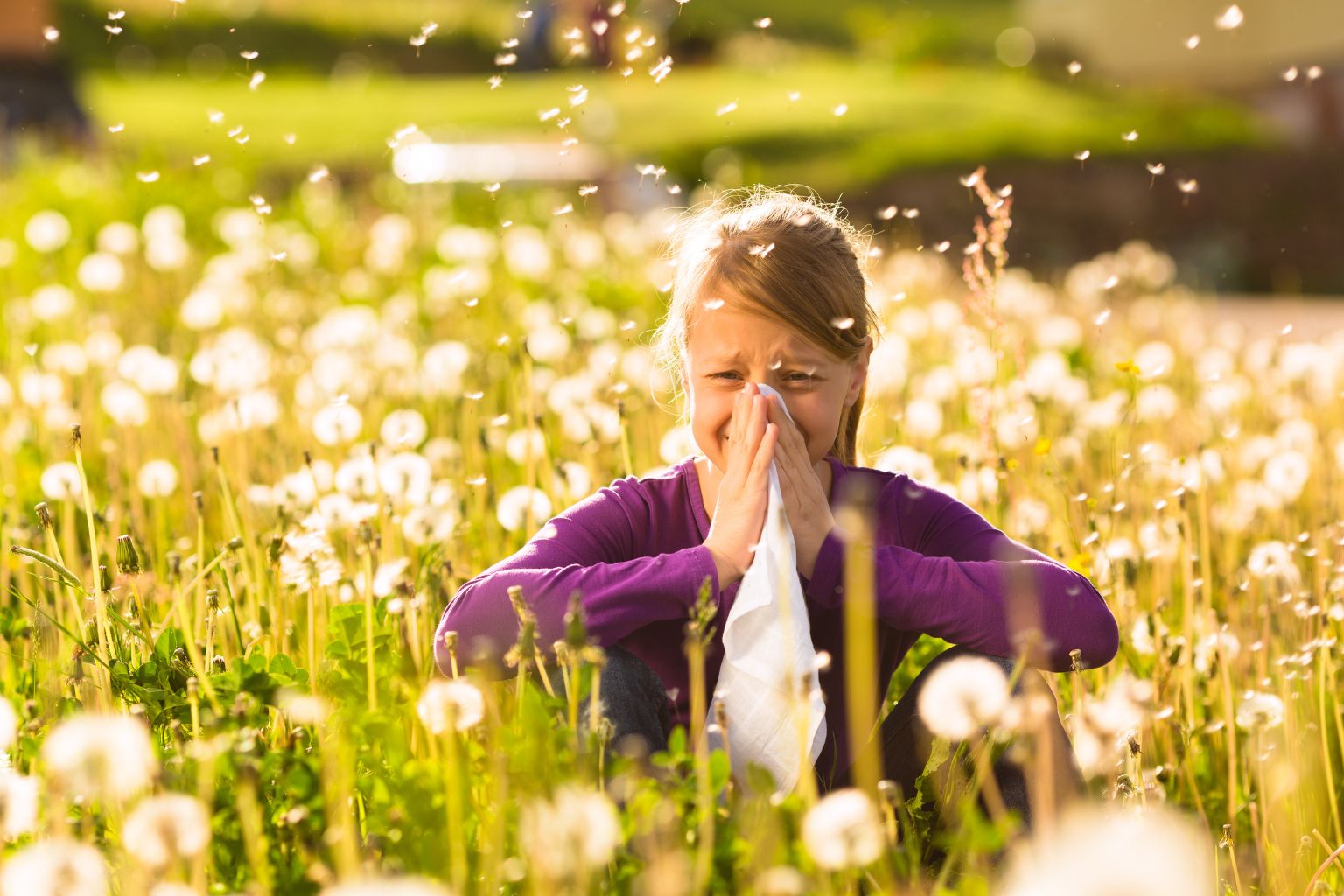
Hay Fever: A Widespread Ailment
No sooner is winter over than many people start sniffling again: It’s hay fever season! Every year, millions of Germans suffer from constantly itchy eyes, runny noses, violent sneezing fits, and restless sleep. But what exactly happens in the body during this time, and how can you effectively protect yourself?
Hay Fever: What Is It, Actually?
In everyday language, hay fever is often equated with a pollen allergy. Medically speaking, however, hay fever (or “seasonal allergic rhinitis”) is a symptom of hypersensitivity to pollen. It is the most common form of allergy of all.
The mechanism behind it is a classic misunderstanding on the part of our bodies: The immune system reacts hypersensitively to the otherwise harmless proteins in plant pollen. It mistakes them for dangerous pathogens and triggers a defensive reaction that leads to inflammation of the nasal mucosa and the eyes.
Why some people can’t step outside without tissues during peak pollen season while others feel absolutely nothing has not yet been fully explained scientifically. Today, it is generally believed to be a combination of genetic predisposition and modern environmental factors.
Typical symptoms: More than just a cold
Hay fever symptoms can be extremely persistent and limit quality of life in everyday situations. Classic symptoms include:
1. Nose
A persistent runny nose, frequent sneezing fits, and a congested, swollen nasal lining that makes breathing difficult.
2. Eyes
Red, burning, and watery eyes, as well as swollen eyelids (allergic conjunctivitis).
3. General well-being
Fatigue, exhaustion, and poor sleep quality.
Important warning: If hay fever goes untreated for years, the inflammation can “move down” from the upper to the lower respiratory tract. A severe cough or shortness of breath during pollen season are serious warning signs that allergic asthma is developing.

Hay Fever Symptoms
Pollen Season: When Does What Fly?
When symptoms occur depends heavily on the season and weather conditions. Generally, allergens can be divided into three phases:
1. Spring (tree pollen)
The first early-blooming trees, such as alder and hazel, begin to release pollen as early as January or February. Starting in March, willow, ash, poplar, and elm follow. Beech and oak can even bother allergy sufferers well into May.
2. Summer (grass and cereal pollen)
From May through the end of August, the peak season for grass allergy sufferers hits. The most common triggers are timothy grass, the Ryegrass and German ryegrass.
3. Fall/Winter
Depending on how mild the weather is, late-season grasses may still be in the air in November, while the new season of the first trees begins as early as December.
4. The Time-of-Day Factor
Pollen concentrations vary by region. In rural areas, pollen counts are highest in the morning, whereas in cities they are highest in the evening.
It’s essential to keep this in mind when ventilating rooms and engaging in outdoor activities!
5. Additional Risk Factors
Pollutants from road traffic (such as exhaust fumes) as well as active or passive smoking can worsen symptoms. They put additional stress on the mucous membranes and make them even more susceptible to allergens.
Treatment: What helps with hay fever?
If you suffer from hay fever, you don’t have to sit idly by and wait for the season to end. There are effective lifestyle tips and gentle remedies
1. Adjusting
Your Daily Routine Use a pollen forecast or relevant apps to schedule outdoor activities or exercise during times of the day when pollen counts are low (in the city: in the morning / in the countryside: in the evening).
2. Nasal Steam Inhalation
A steam inhalation moisturizes dry mucous membranes and gently flushes out pollen. Simply heat water in a pot and inhale the steam under a towel. Additives like mint or sage can have a soothing effect.
3. Cool eye compresses
For itchy eyes, damp, cool compresses soaked in plain water help relieve swelling. (Note: Please do not use chamomile tea bags on your eyes, as these can further irritate the conjunctiva!)
Medicinal Plants from Zimply Natural for Hay Fever
When the body is battling hay fever and airborne pollen, it can be wonderfully supported from the inside out. For centuries, naturopathy has relied on proven plant-based remedies to regulate the overactive immune response, inhibit inflammation, and gently relieve those bothersome symptoms.
This is precisely the holistic approach taken by Zimply Natural’s spagyric essences: Produced according to the traditional methods of Dr. Zimpel and Glückselig, they combine nature’s pure active ingredients into practical everyday products for a worry-free allergy season.

Tried-and-true medicinal plants and natural active ingredients traditionally used to help with hay fever, irritated airways, and seasonal ailments.
- Onion is traditionally used to support the body’s self-cleansing abilities, as well as for colds and asthma.
- Grape aralia (American nard) has anti-allergic and anti-inflammatory effects, making it ideal for hay fever and coughs.
- Heartseed (Cardiospermum) has anti-itching and pain-relieving properties and is used for skin rashes and insect bites.
- Cretan rockrose (Cistus incanus) is valued for its immune-stimulating and antiviral effects, especially for colds.
- Eyebright (Euphrasia officinalis) has anti-inflammatory properties and is often used for eye ailments.
- Butterbur (Petasites officinalis) is used for its skin-cleansing and anti-inflammatory properties and supports wound healing.
- Propolis has anti-inflammatory and antibacterial properties and supports the body's natural defenses.