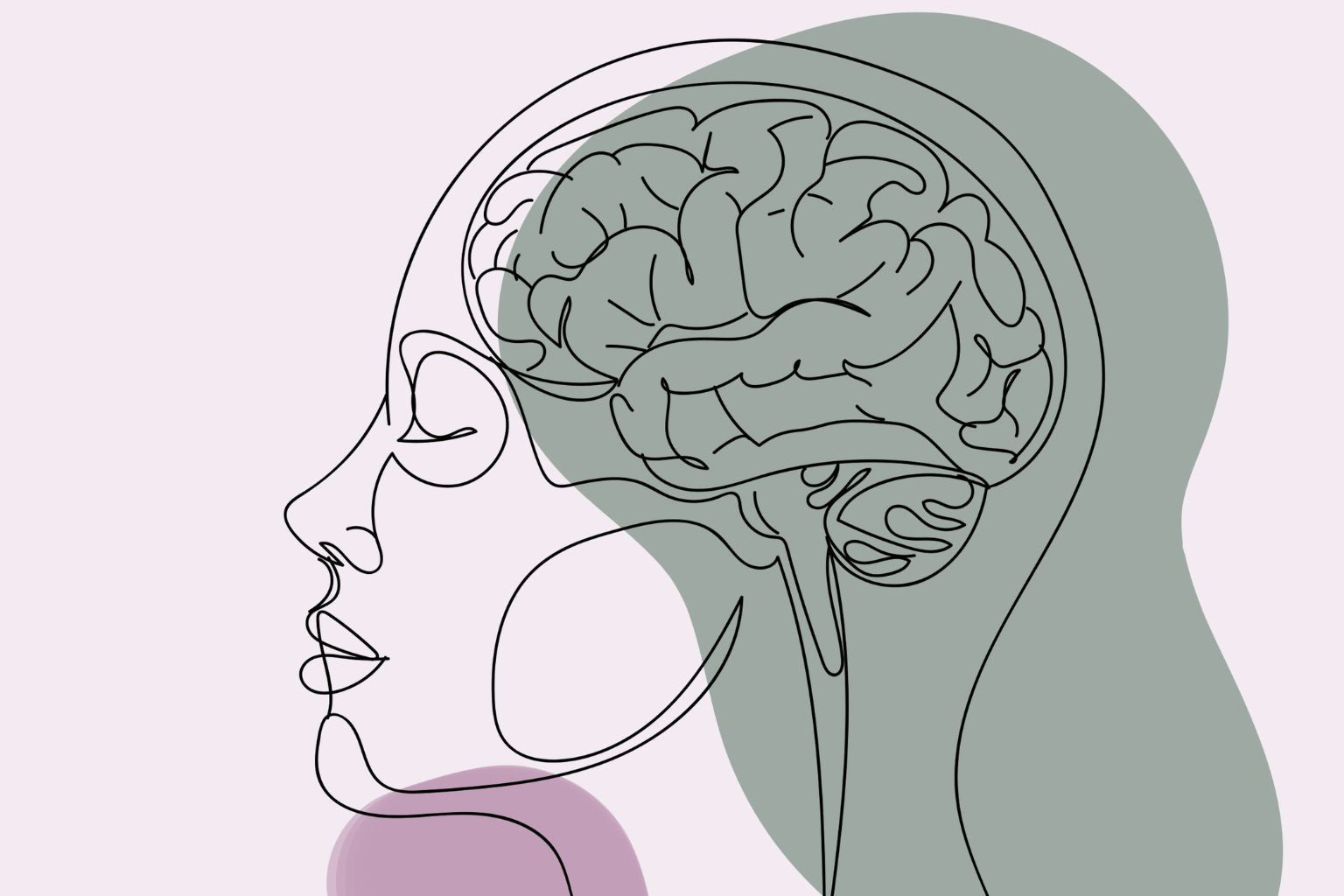



Why Silent Inflammation Is More Than Just a Classic Inflammatory Process
Many people associate inflammation with clear warning signs such as pain, swelling, or fever. In reality, however, there are also inflammatory processes that are much less noticeable. In the case of silent inflammation, the immune system remains slightly activated over the long term without triggering an acute inflammatory response.
This is precisely what makes it unique. The body is, so to speak, in a state of constant readiness. While acute inflammation serves as an important protective mechanism and usually subsides after a short time, silent inflammation can persist for months or even years. This continuously affects regeneration, metabolism, and numerous regulatory processes.
It is particularly interesting that silent inflammation cannot be viewed in isolation. It is often linked to stress, gut health, sleep quality, and the state of the nervous system. Therefore, this topic is less about a single disease and more about the interaction of various biological systems.
Causes and Connections
Silent inflammation usually does not arise from a single trigger. Often, multiple factors affect the organism simultaneously.
1. Chronic stress keeps the body in alarm mode
Stress is originally an important protective mechanism. However, it becomes problematic when stressors persist over the long term and recovery periods are lacking.
In this state, the nervous system remains constantly activated. Stress hormones, in turn, influence the immune system and can contribute to the increased release of pro-inflammatory messengers. This creates a cycle in which regeneration becomes increasingly difficult.
2. The gut influences the immune system more than many realize
A large part of the immune system is closely linked to the gut. Therefore, changes in the gut flora or the intestinal mucosa can affect the entire body.
If the microbiome becomes unbalanced, increased signals may be generated that activate the immune system. It is particularly interesting that such processes often occur without the presence of pronounced digestive symptoms.
3. Oxidative stress can promote inflammatory processes
Many metabolic processes produce so-called free radicals. Normally, the body has protective mechanisms that control these substances.
However, if more free radicals are continuously produced than the body can neutralize, this is referred to as oxidative stress. This condition can strain cells and promote inflammatory processes in the background.
4. The nervous system and immune system are in constant communication
A frequently underestimated connection involves the link between the nervous and immune systems. Both systems communicate continuously with each other.
If the nervous system remains in a state of constant tension, this affects immune regulation. At the same time, inflammatory messengers can in turn irritate the nervous system. This creates a cycle in which stress and inflammatory processes can reinforce each other.
Typical symptoms or signs
The symptoms of silent inflammation are often nonspecific. This is precisely why they often go unrecognized for a long time.
1. Persistent fatigue despite adequate rest
Many affected individuals report exhaustion that does not fully improve even after sufficient sleep.
One possible explanation is that the body must constantly allocate energy to regulatory and defense processes. As a result, fewer resources are available for rest and performance Available at:
2. Concentration Problems and Brain Fog
Mental exhaustion, reduced concentration, or a feeling of mental fogginess are among the most commonly reported symptoms.
Inflammatory messengers can affect various processes in the nervous system. As a result, some people find it harder to process information or concentrate for extended periods of time.
3. Sleep Disorders and Inner Restlessness
Many people with chronic stress have difficulty truly unwinding. Trouble falling asleep, frequent waking, or non-restorative sleep can be signs that the nervous system remains constantly activated.
It is often at night that it becomes clear whether the body can sufficiently switch between activity and regeneration.
4. Diffuse muscle and joint discomfort
Not every form of muscle or joint pain has a clear cause. Some symptoms occur intermittently and are difficult to explain diagnostically.
Since silent inflammation can affect various tissues, it is often associated with diffuse physical discomfort.
What helps in daily life?
Even though the causes are complex, certain habits can help relieve the body’s strain in everyday life.
1. Consciously plan for recovery
The body needs regular periods during which the nervous system can switch from activity to rest.
Conscious breaks, relaxation techniques, or quiet downtime can help reduce constant stimulation.
2. Support gut health
A varied diet with sufficient fiber can positively influence the gut microbiome.
Since the gut and the immune system work closely together, this connection is also taken into account in many holistic health approaches.
3. Use exercise as a regulatory aid
Regular exercise positively influences metabolism, blood circulation, and numerous regulatory processes.
This does not necessarily mean intense physical exertion. Often, regular walks or moderate activity can already have a supportive effect.
4. Understanding sleep as a biological repair process
Important regenerative processes take place during sleep. That is why sufficient, high-quality sleep is one of the most important foundations for physical balance.
5. Recognizing stressors early on
Not every stressor can be avoided. Nevertheless, it can be helpful to become more aware of personal stressors and gradually improve how you manage them.

Regeneration, exercise, sleep, and healthy gut function are among the factors that can help the body maintain long-term balance.
Natural support and medicinal plants
In naturopathy, various medicinal plants are traditionally used in connection with regulatory, metabolic, and excretory processes. The focus is usually not on specifically targeting individual symptoms, but rather on supporting overall balance.

Traditionally used natural substances such as propolis, rockrose, dandelion, or goldenrod are frequently considered in naturopathy in connection with immune function, metabolism, and the body’s own regulatory processes.
- Propolis has traditionally been valued as a protective natural substance and is frequently used in naturopathic approaches focused on the immune system.
- Cretan rockrose is often considered in connection with antioxidant processes due to its high content of phytochemicals.
- Dandelion is traditionally used to support metabolic and digestive processes and plays a role in many naturopathic approaches.
- Goldenrod is often associated with excretory and regulatory processes and is traditionally used to support the urinary tract.
- Silver birch is often used in naturopathy in connection with detoxification and metabolic approaches.
- Bolus alba is traditionally used in various naturopathic applications and is frequently associated with balancing processes.