

What is menopause?
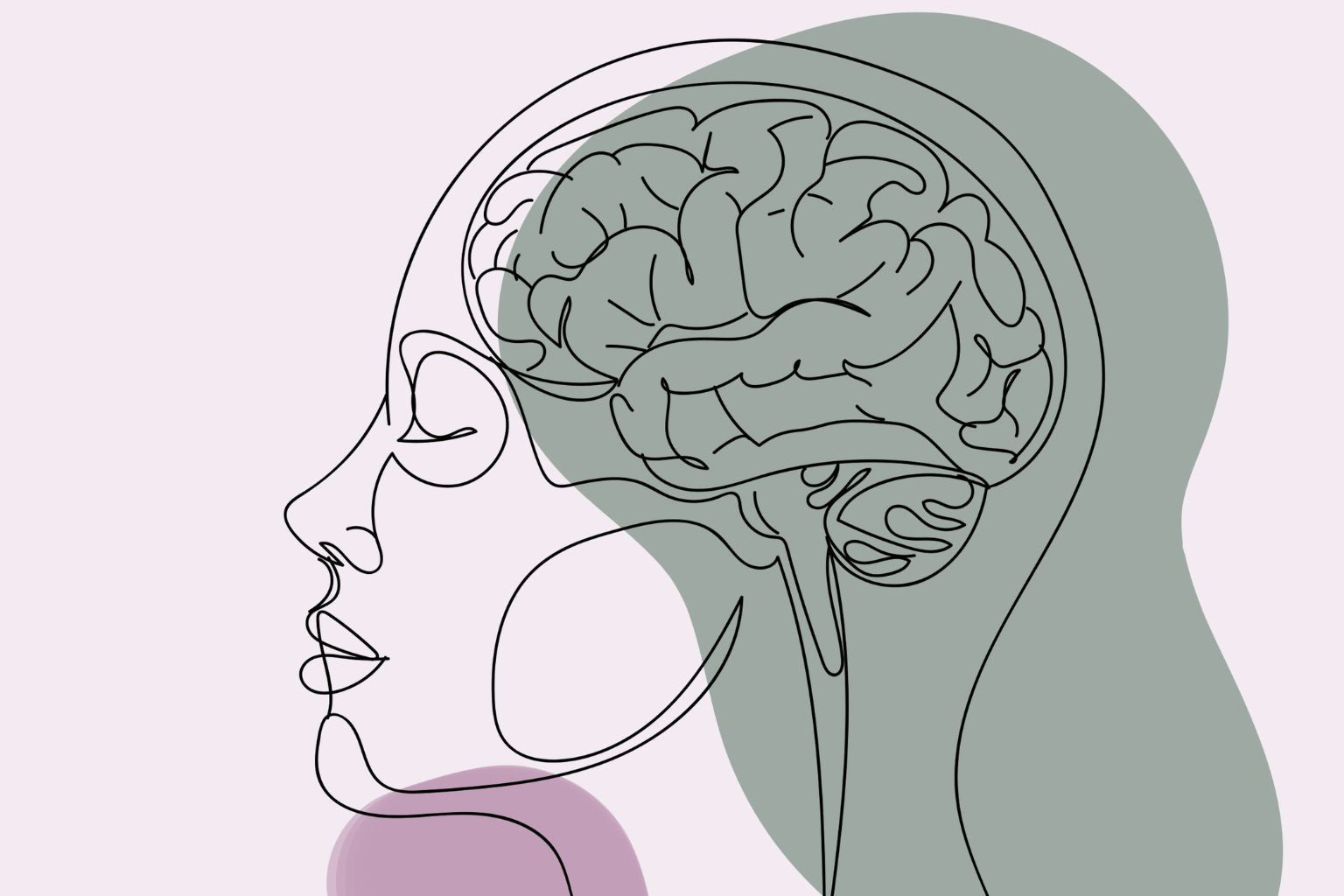
Menopause—also known as the climacteric—refers to the hormonal changes that occur at the end of a woman’s fertile years. During this time, the production of sex hormones, particularly estrogen and progesterone, changes.
This can lead to various physical and emotional changes. The last menstrual period is referred to as menopause and is considered to have been completed in retrospect when no further bleeding has occurred for at least twelve months.
Common symptoms during menopause
Many women experience menopause with varying degrees of intensity. Common symptoms include:
- Hot flashes
- Sweating spells
- Sleep problems
- Mood swings
- Inner restlessness
- Exhaustion
- Irritability
- Difficulty concentrating
Stress and a lack of rest, in particular, can further exacerbate these symptoms.

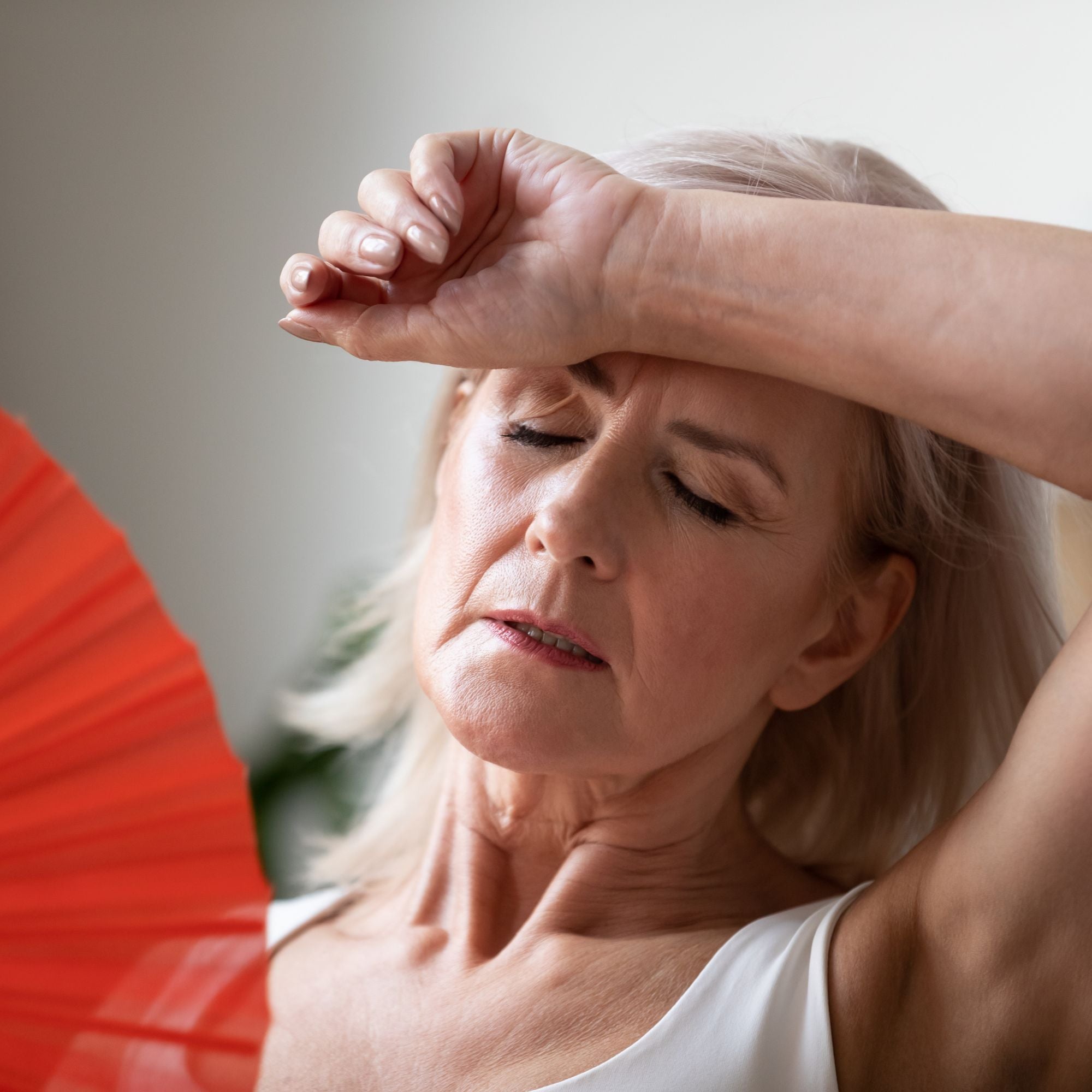
Hot flashes, sleep problems, and mood swings are among the most common symptoms during hormonal changes.
5 Tips for Menopause
Menopause can affect many areas of daily life—from sleep and mood to hot flashes or inner restlessness. Even small changes in daily habits can help you more consciously support your well-being and better cope with physical changes.
1. Pay attention to your diet
Certain foods can intensify hot flashes or sweating. Many women therefore find it helpful to cut back on alcohol, very spicy seasonings, or hot beverages.
Foods such as:
- tofu
- Soy
- Fish
- low-fat dairy products
are often intentionally incorporated into the diet.
2. Stay Active
Regular exercise can help regulate the body more effectively and promote overall well-being. Endurance sports, in particular, are often found to be enjoyable.
In addition, exercise can help:
- reduce stress
- improve body awareness
- improve sleep
3. Choose breathable clothing
Many women find loose-fitting clothing made of natural fibers more comfortable. Especially during hot flashes, the so-called “layered look” can help better regulate body temperature.
4. Make time for intentional rest periods
Stress can exacerbate symptoms during menopause. This makes intentional breaks and relaxation in daily life all the more important.
The followingcan be helpful, for example:
- Breathing exercises
- Walks
- Reading
- Meditation
- Time for yourself
5. Consciously using heat and cold stimuli
Regular sauna sessions or contrast showers are often used to help the body adjust to temperature fluctuations and promote well-being.

Five simple everyday tips that can help you Supporting well-being during menopause more consciously.
Tips for Acute Hot Flashes
Hot flashes are among the most common symptoms during menopause and often occur suddenly. Small changes in your daily routine can help calm your body more quickly during these moments and make the situation more comfortable.
When sudden hot flashes occur, small changes in your daily routine can often be helpful:
- run cold water over your wrists
- Wear several thin layers of clothing
- Keep your surroundings as cool as possible
- drink cold beverages
- Breathe calmly and consciously
Medicinal plants from Zimply Natural to support you through menopause
These medicinal plants are traditionally used to gently and holistically support the body during menopause. They are considered a natural way to promote balance and well-being in everyday life.

- Lady's mantle is traditionally used to support hormonal balance during menopause.
- St. John’s wort is often associated with mood-lifting and balancing properties.
- Pomegranate is considered a natural aid for hormonal balance and well-being during menopause.
- Kava-kava is traditionally used to treat inner restlessness and tension and has a balancing effect.
- Common sage is often used to help relieve hot flashes and excessive sweating.