

What is Leaky Gut Syndrome?
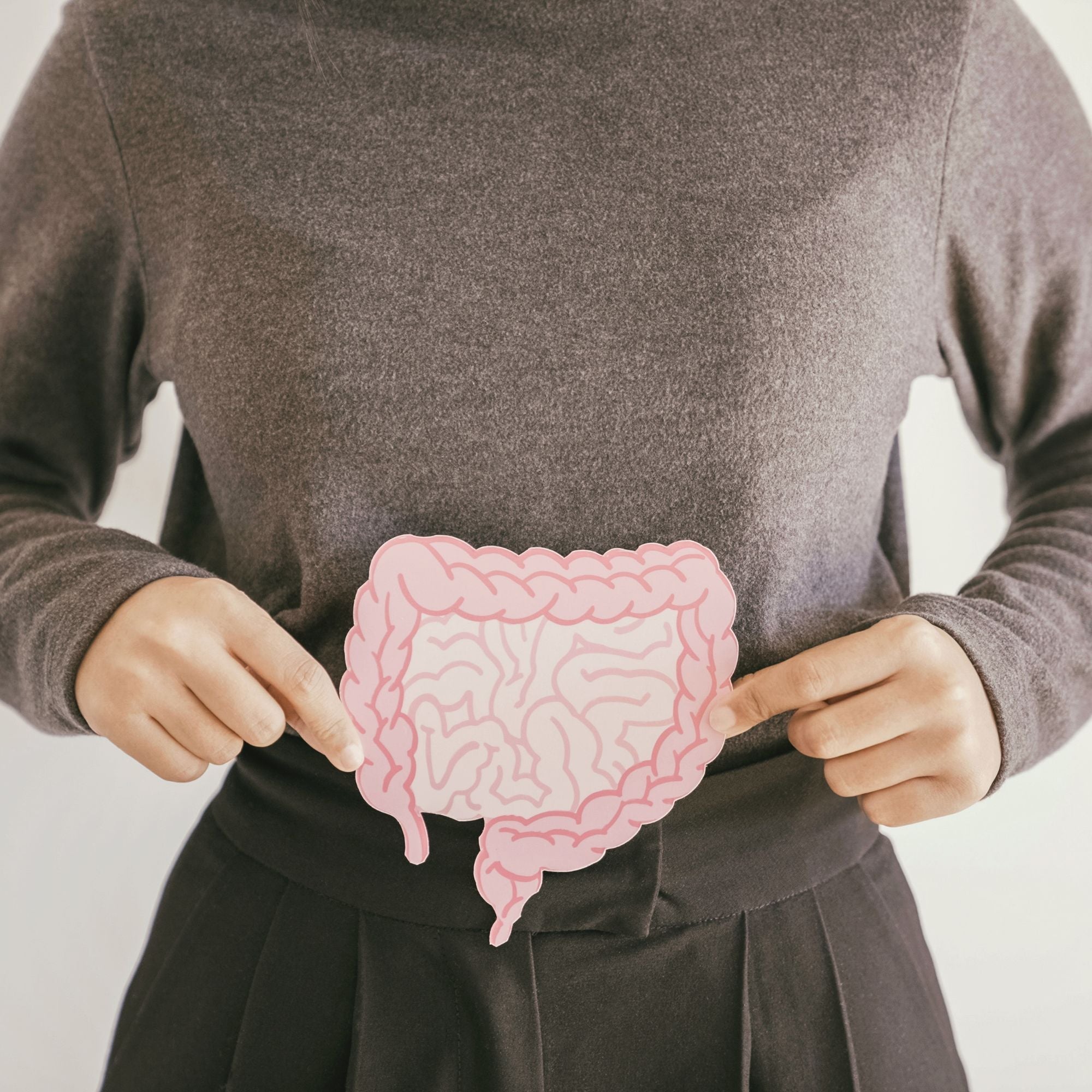
The term “leaky gut” literally means “permeable intestine.” It refers to a disruption of the intestinal barrier, which, when healthy, functions like a highly precise gatekeeper: it allows essential nutrients to pass into the bloodstream but rigorously keeps harmful substances, bacteria, and incompletely digested food particles within the intestine.
1. The Significance of Increased Intestinal Permeability
If the intestinal barrier is compromised, substances can pass through the intestinal wall more easily. This is usually because the protein structures between the intestinal cells—known as tight junctions (molecular zippers)—have loosened. Scientists are currently investigating the role that increased intestinal permeability plays in various symptoms and diseases, as foreign substances in the bloodstream can activate the immune system.
2. Why Is the Intestinal Barrier Important?
The intestinal barrier is a vital component of our immune system, as a large portion of our immune cells are located in the gut. It helps absorb nutrients while simultaneously retaining potentially harmful substances. A healthy intestinal barrier thus contributes significantly to overall well-being.
3. Symptoms and Conditions Associated with Leaky Gut
Researchers have been investigating possible links between increased intestinal permeability and various health issues for years.
4. Digestive Symptoms
However, these symptoms can also have other causes and are not automatically indicative of leaky gut. They often occur because the irritated intestinal lining can no longer break down nutrients optimally, leading to fermentation processes.
Common symptoms include:
- Bloating
- Diarrhea
- Constipation
- Abdominal pain
- Feeling of fullness
5. Allergies and Food Intolerances
Some studies are investigating whether changes in the intestinal barrier might play a role in allergies or food intolerances. The theory behind this is that larger, incompletely digested protein molecules pass through the permeable intestinal wall into the body, where the immune system mistakenly identifies them as a threat. However, the exact mechanisms are not yet fully understood.
6. Autoimmune Diseases and Chronic Inflammation
The intestinal barrier is also being scientifically studied in connection with diseases such as Crohn’s disease, ulcerative colitis, Hashimoto’s thyroiditis, and rheumatoid arthritis. In these cases, researchers suspect that the constant activation of the immune system due to the “leaky” area in the intestine could fuel systemic inflammation throughout the body. Whether increased intestinal permeability is a cause, consequence, or accompanying symptom of these diseases remains a subject of ongoing research.
7. The Gut-Brain Axis and Mental Well-Being
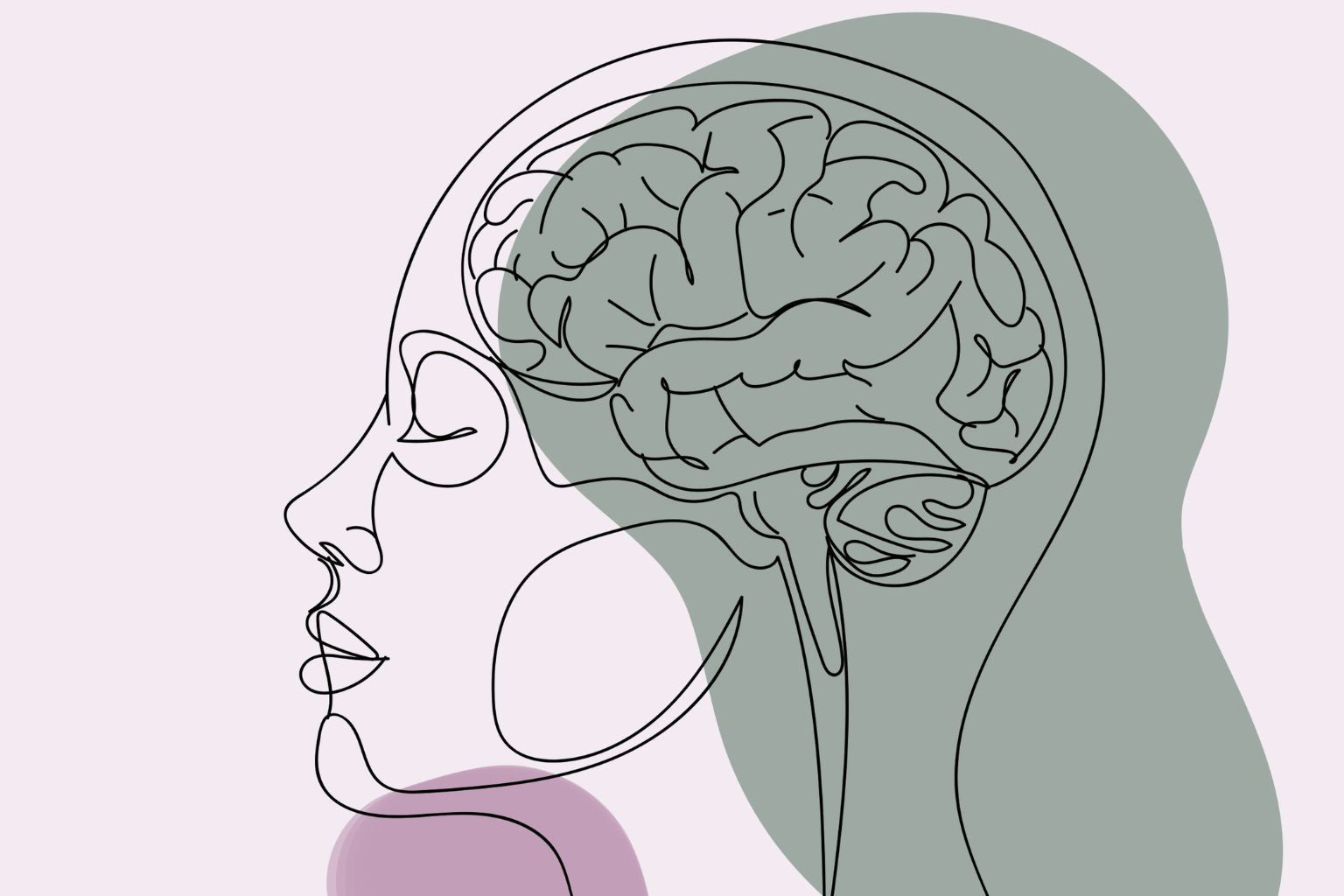
There is a close connection between the gut and the brain, known as the gut-brain axis.
This communication occurs via nerve pathways (such as the vagus nerve) as well as through neurotransmitters. For this reason, researchers are also investigating possible links between Gut Health, Stress and Mental Well-Being.
Tips for a Healthy Gut Barrier
Anyone suffering from recurring digestive problems should first seek medical advice. In addition, various measures can help support gut health.
1. Probiotics and Prebiotics
Probiotics are live microorganisms that occur naturally in fermented foods such as yogurt, sauerkraut, or kefir. They help maintain the balance of the gut flora and suppress unwanted bacteria.
Prebiotics serve as food for these beneficial gut bacteria. When the bacteria break down these dietary fibers, they produce short-chain fatty acids (such as butyrate), which are an important source of energy for the cells of the intestinal mucosa. They are found in the following foods, among others:
- Onions
- Garlic
- Chicory
- Artichokes
- Whole-grain products
- Certain types of fruit
2. Supportive Nutrients
Some nutrients are frequently mentioned in connection with gut health:
- Glutamine – The amino acid glutamine is involved in many metabolic processes and also plays a role in the intestinal mucosa. It serves as the main energy source for intestinal cells and supports the regeneration of the intestinal barrier.
- Zinc – Zinc contributes to the normal function of the immune system and supports the maintenance of normal mucous membranes. It also plays an important role in stabilizing the protein structures (tight junctions) between cells.
- Omega-3 fatty acids – Omega-3 fatty acids are found, for example, in flaxseed oil, walnuts, and fatty ocean fish, and are often recommended as part of a balanced diet because they are believed to have anti-inflammatory properties.
3. Diet and Lifestyle
A varied diet with sufficient fiber can support gut health. At the same time, it can help reduce the consumption of highly processed foods, refined sugar, and alcohol, as these can disrupt the gut microbiota. It may also be helpful to identify any potential personal food intolerances.
4. Exercise and Stress Management
Regular exercise supports many bodily functions, stimulates natural bowel movements (peristalsis), and can also help reduce stress. Since chronic stress can negatively affect the permeability of the intestinal wall via the gut-brain axis, taking targeted breaks for relaxation is particularly important. Even activities like walking, cycling, or swimming can have a positive effect on overall well-being.

A healthy gut barrier isn’t created by a single measure, but rather through the interplay of diet, gut flora, nutrient intake, and lifestyle.
These medicinal plants support your gut
Medicinal plants have traditionally been used for centuries to support the stomach and intestines. They can complement a balanced lifestyle and are often used to alleviate digestive discomfort.

Traditionally used medicinal plants and natural substances are frequently employed in naturopathy to support the gut and its functions.
- Caraway – is traditionally used for flatulence, bloating, and digestive discomfort. Its essential oils have a direct relaxing effect on the intestinal muscles and help inhibit the formation of gas.
- Chamomile – is often used to support normal digestion and relieve gastrointestinal discomfort. It has anti-inflammatory and soothing properties and supports the regeneration of the mucous membranes.
- Male fern – has a long tradition in herbal medicine. It is traditionally valued for calming the nervous system in the abdominal region and relieving excessive gastrointestinal tension.
- Blue flag (Iris) – is traditionally used to support the digestive organs. It gently regulates the activity of the liver, gallbladder, and pancreas, thereby stimulating the entire metabolism.
- Dandelion – is frequently used to support digestion and metabolism. Its bitter compounds stimulate liver and gallbladder function, which is particularly helpful in the digestion of fats.