


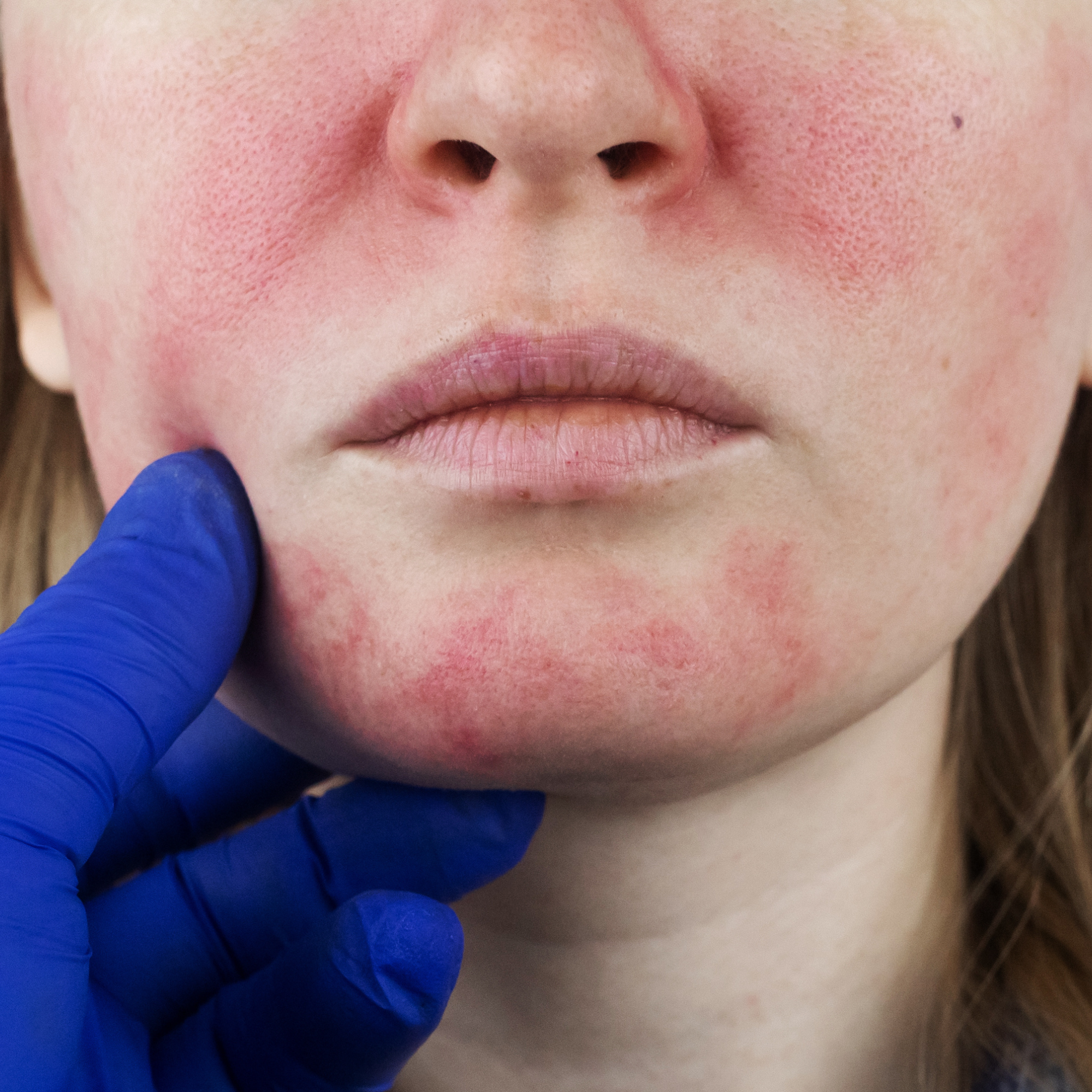
What is rosacea?
Rosacea is a chronic skin condition that primarily affects the face. It usually affects the cheeks, nose, forehead, and chin and often occurs in flare-ups.
The condition is one of the most common skin problems among adults and is characterized by increased sensitivity of the facial skin. Rosacea is not contagious and can affect people to varying degrees.
Depending on its severity, symptoms may worsen over time or subside periodically. Because rosacea is often visible, many people with the condition find it to be not only a physical but also an emotional burden.
Although there is currently no cure for rosacea, there are various ways to support the skin in daily life and make it easier to manage the condition.
What Causes Rosacea?
The exact causes of rosacea remain unclear to this day. However, experts believe that several factors may interact and contribute to the development of this skin condition.
Possible causes include:
1. Genetic predisposition
Rosacea tends to run in some families, suggesting a hereditary component.
2. Overreactions of the immune system
In those affected, the immune system appears to react more sensitively to certain stimuli, which can promote inflammatory processes.
3. Changes in blood vessels
Increased sensitivity of the blood vessels may contribute to redness developing more easily.
4. Skin Microorganisms
Certain skin mites (Demodex mites), which occur naturally on the skin, are also discussed as a possible contributing factor.
5. Interaction of Various Factors
Rosacea likely does not result from a single cause, but rather from the interaction of genetic, immunological, and environmental factors.
Research on rosacea is constantly evolving, so new findings are continually being discovered.

Rosacea is likely not caused by a single factor, but rather by multiple factors that can make the skin more sensitive and prone to redness and inflammation.
Typical Symptoms of Rosacea
Rosacea can manifest slightly differently in each person. Symptoms often occur in flare-ups and can change over time.
The most common symptoms include:
1. Persistent facial redness
The cheeks, nose, forehead, and chin are particularly commonly affected.
2. Visible blood vessels (couperose)
Small dilated blood vessels may become visible through the skin.
3. Sensitive skin
Many people with rosacea report a burning, stinging, or tight sensation in the skin.
4. Pimples and nodules
Inflammatory skin lesions may occur and are therefore often mistaken for acne.
5. Dry or irritated skin
The skin may react sensitively to skincare products or external factors.
6. Facial swelling
In some cases, affected areas of the skin may swell slightly.
7. Eye symptoms
Rosacea can also manifest around the eyes, for example, as dry, irritated, or red eyes.
Symptoms often occur in phases.
During these phases, Periods of more severe symptoms may alternate with periods when the skin is calmer.
Common Triggers & Risk Factors
In rosacea, certain triggers can cause redness or other symptoms to worsen. Since triggers can vary greatly from person to person, it’s worth keeping track of your personal triggers.
The most common triggers and risk factors include:
1. Sun exposure
UV rays are considered one of the most common triggers for rosacea flare-ups.
2. Stress & emotional strain
Prolonged stress can intensify skin reactions and contribute to symptoms.
3. Extreme temperatures
Heat, cold, wind, or sudden temperature changes can irritate sensitive facial skin.
4. Spicy foods & hot beverages
Some people with rosacea notice an increase in redness after consuming certain foods or beverages.
5. Alcohol
Red wine, in particular, is often cited as a possible trigger.
6. Unsuitable skincare products
Products containing alcohol, fragrances, or irritating ingredients can put additional strain on the skin.
7. Genetic predisposition
People with a family history of rosacea often have an increased risk of developing the condition themselves.
Rosacea in Daily Life: Skincare & Helpful Tips
Managing rosacea often starts with daily habits. With a tailored skincare routine and a few simple habits, you can often better support your sensitive skin.
1. Use mild skincare products
Opt for gentle, non-irritating products specifically formulated for sensitive skin.
2. Use daily sunscreen
A sunscreen with an SPF of at least 30 can help protect the skin from UV-induced irritation.
3. Avoid irritating ingredients
Products containing alcohol, strong fragrances, or harsh exfoliants can put additional strain on the skin.
4. Don’t wash your face with water that’s too hot
Lukewarm water is usually better tolerated than very hot water.
5. Identify personal triggers
A skin diary can help you figure out which factors worsen your symptoms.
6. Consciously reduce stress
Relaxation methods like yoga, meditation, or walks can promote overall well-being.
7. Maintain a balanced diet
Many people with rosacea benefit from monitoring individual triggers in foods and beverages.
8. Don’t over-treat your skin
Less is often more: Too many products can further irritate the skin barrier.
These medicinal plants can help with rosacea
Rosacea can affect daily life due to persistent redness, skin irritation, and increased sensitivity of the facial skin. Many people with rosacea therefore seek ways to support their skin naturally and promote overall well-being. Certain medicinal plants are traditionally used to support the skin, help maintain its natural balance, and gently promote the body’s own regenerative processes. We’ve compiled a list here of which plants are particularly popular and how they’re traditionally used.

These medicinal plants are traditionally used to naturally support the skin. They are often used to promote well-being and gently support the body’s own processes in cases of sensitive skin prone to redness. promote.
- Belladonna is traditionally used for sudden skin reactions and severe redness.
- Heartseeds is known in naturopathy for its skin-soothing properties for irritated and sensitive skin.
- Horsetail is traditionally used to support the skin’s natural regeneration and resilience.
- Hydrargyrum bichloratum is traditionally used to treat inflammatory skin conditions and skin blemishes.
- Goldenseal is traditionally used to support the body’s natural defenses and overall well-being.
- Mandrake is traditionally used in naturopathy to support circulation and regeneration processes.