


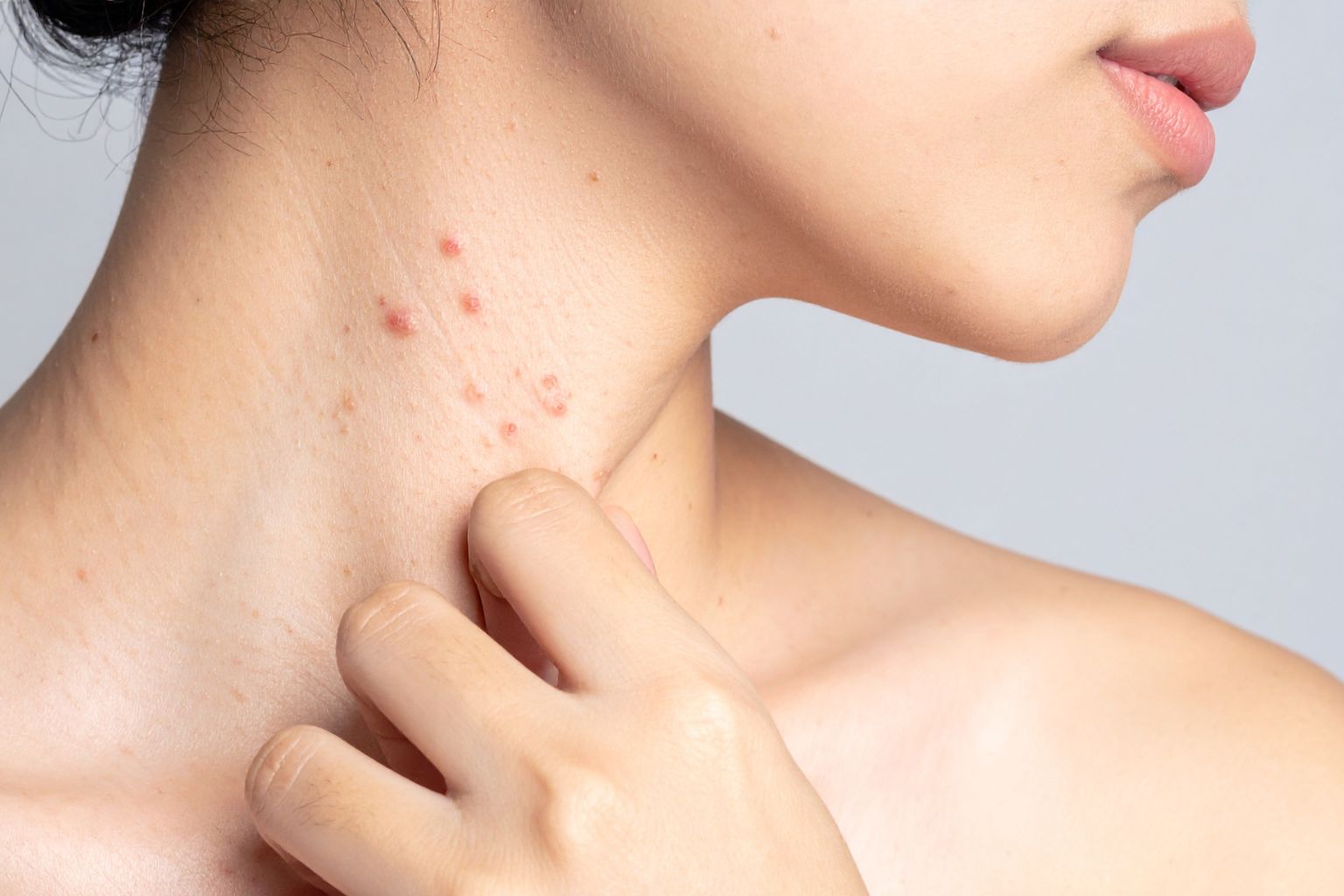
What exactly is shingles?
Shingles is a viral infection caused by the varicella-zoster virus—the same virus that causes chickenpox. After a person has had chickenpox, the virus remains in the body for life and can become active again years later.
Reactivation is particularly likely when the immune system is weakened, during times of stress, or in older age. The viruses travel along the nerve pathways and often cause a painful rash accompanied by a burning or stinging sensation. A characteristic feature of shingles is a belt-shaped rash, which gives the condition its name.
Typical symptoms
Shingles can manifest itself through various symptoms. Particularly characteristic are painful skin lesions along the nerve pathways. In addition, general symptoms such as fever or severe fatigue may also occur.
1. Rashes and Blisters
Among the most well-known symptoms of shingles are reddened areas of skin with small, fluid-filled blisters. These usually appear in clusters and often run in a band-like pattern along a nerve. Even before the rash becomes visible, many people experience pain, a burning sensation, or an unpleasant tingling in the affected area.
As the disease progresses, the blisters burst and then form scabs. After healing, the affected areas of skin may appear lighter or darker than the surrounding skin.
2. Burning, Pain, and Itching
The pain associated with shingles can be very distressing and often begins even before the rash appears. Typical symptoms include stabbing, pulling, or burning sensations, which are usually limited to a specific area of the skin. In addition, severe itching or skin hypersensitivity is common. In some cases, even wearing clothing can feel uncomfortable or painful.
3. Associated Symptoms
In addition to skin changes, general symptoms may also occur. These include, among others, fever, fatigue, muscle weakness, or headaches.
In rare cases, shingles can also lead to limited mobility or symptoms of paralysis. Therefore, it is important to have symptoms evaluated by a doctor at an early stage.

Typical symptoms of shingles include painful skin rashes with blisters, a burning sensation, itching, and general symptoms such as fever or fatigue.
Shingles is usually diagnosed based on the typical skin changes and pain. Characteristic features include reddened areas of skin with small blisters, which often run along a nerve pathway.
In addition, burning or stabbing pain often occurs, which may begin even before the rash appears. If the diagnosis is unclear, a swab of the blisters can be taken to detect the varicella-zoster virus. Early diagnosis is important to prevent complications.
Possible Consequences and Complications
In addition to the typical skin lesions, shingles can in some cases also cause long-term symptoms. A particularly well-known condition is postherpetic neuralgia.
1. Postherpetic Neuralgia (PHN)
With postherpetic neuralgia, the nerve pain persists even after the skin lesions have healed. The symptoms can last for weeks, months, or, in rare cases, even years. Older adults, in particular, are at increased risk.
2. Scarring
Scratched blisters or severe skin inflammation can leave scars or changes in skin pigmentation after the illness.
3. Complications Affecting the Eyes or Ears
If shingles occurs near the eyes or ears, it can lead to serious symptoms. These may include, among other things, vision or hearing problems.
4. Rare Severe Cases
In rare cases, internal organs or the nervous system may also be affected. Therefore, symptoms should be evaluated by a doctor as soon as possible.
Everyday Tips and Natural Relief
In addition to rest and adequate sleep, certain measures can help alleviate symptoms and soothe the skin.
1. Cooling Compresses
Cooling compresses or damp cloths can help reduce itching and burning.
2. Loose-Fitting Clothing
Soft, loose-fitting clothing can provide relief for sensitive skin areas.
3. Oatmeal bath
Oatmeal is traditionally used to soothe irritated skin.
4. Herbal Teas
Chamomile and calendula are traditionally used in naturopathy to provide relief.
5. Reduce Stress
Stress can put a strain on the immune system and is considered a potential risk factor for shingles.
6. Practice Good Hygiene
Since the virus can be transmitted through the blisters, regular handwashing and avoiding direct skin contact are especially important.

Cooling compresses, loose-fitting clothing, herbal teas, and plenty of rest can help relieve skin irritation and naturally alleviate the symptoms of shingles.
Medicinal Plants from Zimply Natural for Shingles
When the body is affected by shingles, many people seek gentle support for their skin, nerves, and immune system. In naturopathy, various medicinal plants have been used for centuries to soothe irritated skin, promote well-being, and support the body during stressful periods.
The spagyric essences from Zimply Natural take precisely this holistic approach: Produced according to the traditional methods of Dr. Zimpel and Glückselig, they combine selected medicinal plants in practical, everyday products to provide natural support for shingles.

Selected medicinal plants such as rockrose, lemon balm, and St. John’s wort are traditionally used in naturopathy to support the skin, nervous system, and immune system.
- Rock Rose is traditionally used for skin conditions and is particularly known for its skin-nourishing and soothing properties.
- Eyebright is traditionally used in naturopathy in connection with herpes viruses and valued for its immune-supporting properties
- Valerian is traditionally used to calm the nervous system and provide support during stressful times.
- St. John’s wort is particularly valued for its soothing and skin-nourishing properties and is traditionally used for nervous-related skin conditions.
- Sumac is traditionally used in naturopathy for itchy rashes and nervous-related complaints.
- Lemon balm is traditionally used for herpes symptoms and is particularly known for its soothing and skin-nourishing properties.