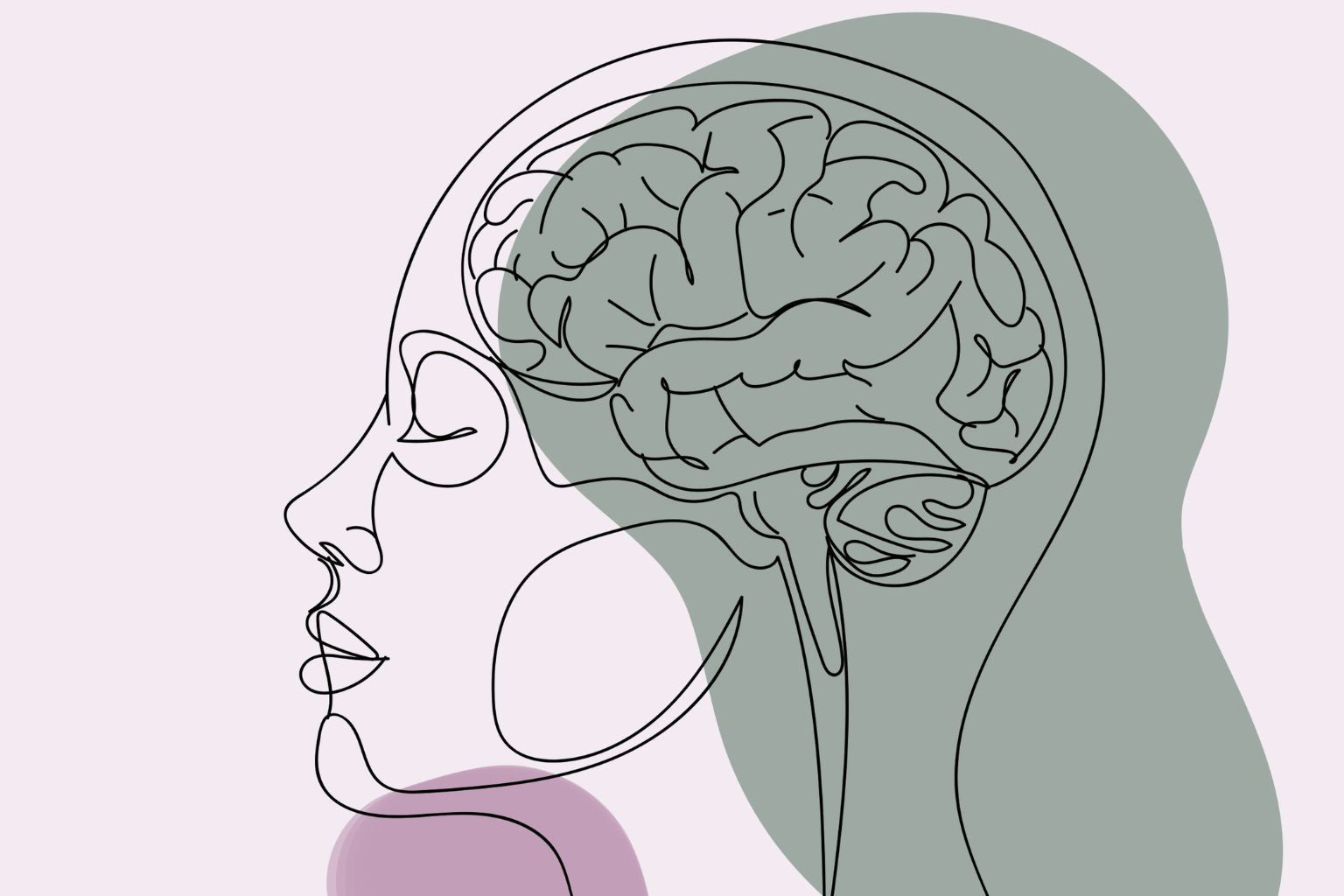



Why Tinnitus Is More Than Just a Ringing in the Ears
Many people assume that tinnitus originates exclusively in the ear. In fact, however, research shows that ringing in the ears is closely linked to how the brain processes sensory input. This also explains why two people can perceive the same sound in completely different ways. While one person may barely notice it, the other may find it extremely distressing.
Tinnitus describes the perception of a sound without an external sound source. Those affected hear, for example, a whistling, buzzing, humming, or hissing sound. What is particularly interesting is that the ear alone is not responsible for this perception. What matters is how the brain evaluates and processes the incoming signals.
That is why tinnitus is now often viewed as a complex interplay between the auditory system, the nervous system, and emotional processing. It is precisely this connection that explains why stress, lack of sleep, or inner tension can often exacerbate the symptoms.
Why tinnitus often has multiple causes at the same time
Tinnitus is rarely the result of a single trigger. Often, various factors interact and influence one another.
1. Noise and hearing impairments alter signal processing
Severe noise exposure, sudden hearing loss, or age-related changes in hearing can result in less information being transmitted from the inner ear to the brain. The brain then often attempts to compensate for this loss of information.
An interesting mechanism: Similar to a radio that is turned up when reception is poor, the brain sometimes increases the sensitivity of certain auditory centers. This can result in sounds being perceived even though no external sound source is present.
2. Stress affects the auditory center more than many people realize
Many people with tinnitus report that their tinnitus seems significantly louder during stressful periods of life. This is no coincidence. Chronic stress activates the autonomic nervous system and puts the body into a state of heightened alertness.
As a result, stimuli are perceived more intensely. The brain focuses its attention more strongly on the ringing in the ears and interprets it as important. The more frequently this happens, the more present the tinnitus feels in everyday life.
3. Tension and jaw problems can affect the ears
Not all tinnitus originates directly in the auditory system. The cervical spine, neck muscles, and temporomandibular joint are also connected via nerve pathways to areas involved in auditory processing.
Therefore, chronic tension, poor posture, or nighttime teeth grinding can contribute to the development or intensification of ringing in the ears. Many people are surprised by how closely the musculoskeletal system and auditory perception are linked.
Common symptoms associated with tinnitus
The distress caused by tinnitus often stems not only from the sound itself but also from its impact on daily life.
1. The ringing in the ears is particularly noticeable in quiet environments
Many people notice their tinnitus mainly in the evening or in quiet settings. During the day, the sound is often masked by ambient noise.
However, as soon as things quiet down, attention turns more inward. This often makes the ringing in the ears seem more intense, even though its actual volume remains unchanged.
2. Sleep and concentration are often affected
The brain constantly processes tinnitus. As a result, some people find it difficult to relax or fall asleep.
Over time, this can lead to fatigue, concentration problems, and reduced performance.
Interestingly, Lack of sleep, in turn, increases the nervous system’s sensitivity, which can make tinnitus seem even more bothersome.
3. Emotional stress plays an important role
Tinnitus is not merely a hearing sensation. Many people affected experience uncertainty, frustration, or worry about the cause of their symptoms.
This emotional reaction can further draw attention to the ringing in the ears. This creates a cycle in which stress intensifies the tinnitus, and the tinnitus, in turn, generates new stress.
4. Accompanying symptoms provide important clues
If tinnitus occurs alongside hearing loss, dizziness, a sensation of pressure in the ear, or balance disorders, other causes may be involved.
Such accompanying symptoms should be evaluated by a doctor, as they can provide important clues to disorders of the auditory or vestibular system.

Ringing in the ears rarely occurs in isolation—sleep, concentration, and emotional stress can further influence the perception of tinnitus.
What can help in everyday life
Even though not all tinnitus goes away, there are various ways to make it easier to cope with.
1. Actively manage stress
Since stress is one of the most common triggers of tinnitus, consciously relieving the nervous system can be helpful.
Breathing exercises, meditation, yoga, or regular breaks are often used to reduce inner tension.
2. Ensure adequate sleep
Restful sleep supports the regeneration of the nervous system. Set sleep schedules, a calm evening routine, and avoiding intense stimuli before bedtime can be helpful.
Many people with tinnitus report that their tinnitus feels less bothersome after restful nights.
3. Incorporate exercise into your daily routine
Regular exercise supports blood circulation, reduces stress, and can relieve tension.
In particular, walking, cycling, swimming, or gentle strengthening exercises are often found to be beneficial.
4. Consciously relieve tension in the neck and jaw
Those who frequently suffer from tension should consider potential strain on the cervical spine and the temporomandibular joint.
Targeted stretching exercises, physical therapy, or a dental evaluation for teeth grinding may be helpful.
5. Don’t constantly try to fight the ringing in your ears
Many experts observe that constantly trying to control tinnitus can draw even more attention to the sound.
It is often more helpful to adopt an approach that gradually shifts the focus back to other sensory impressions and activities.
Natural support and medicinal plants for your immune system
In naturopathy, various medicinal plants are traditionally used when the focus is on the nervous system, blood circulation, or regenerative processes. The goal is not to treat tinnitus directly, but to support the body during stressful periods.

Naturopathy recognizes various plants and natural substances that are traditionally associated with relaxation, regeneration, and emotional well-being.
.
- Ginkgo is traditionally used in naturopathic approaches that focus on Blood circulation and mental performance. This is why the plant is often used in connection with tinnitus.
- St. John’s wort is traditionally used when emotional stress and inner tension are the primary concerns. It is frequently associated with mental well-being.
- Kava-kava is valued in some naturopathic approaches that focus on relaxation and inner peace.
- Arnica has a long tradition of use in applications related to regeneration and musculoskeletal complaints. As a result, it is frequently included in holistic approaches.
- Annual mugwort is traditionally used in various naturopathic applications and plays a particular role in herbal medicine approaches.
- Ferrum phosphoricum is often considered in connection with general regulatory and regenerative processes.