

What is a migraine?
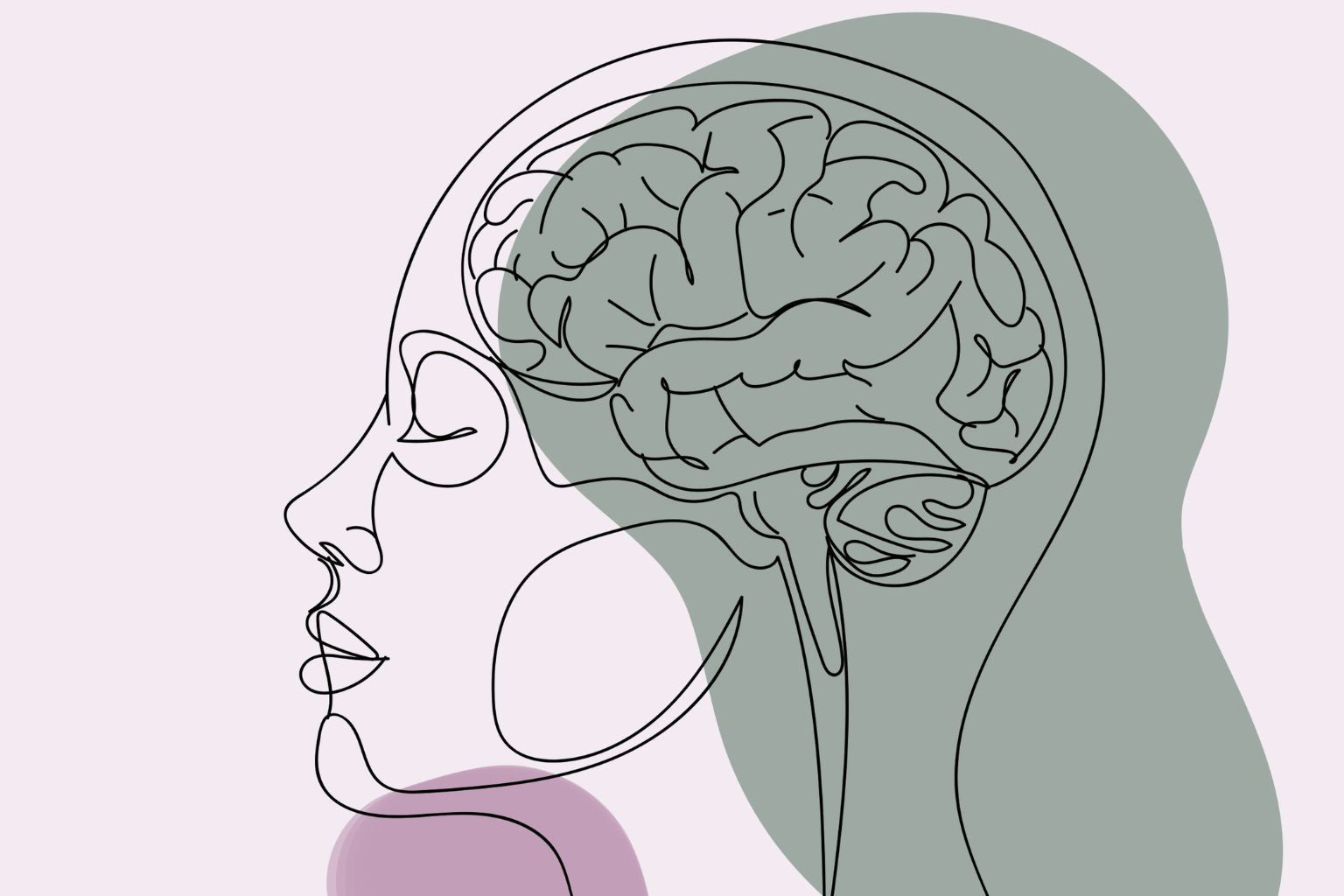
A migraine is a neurological disorder that is usually associated with recurring headache attacks. However, the symptoms often go far beyond headaches and can affect all aspects of daily life.
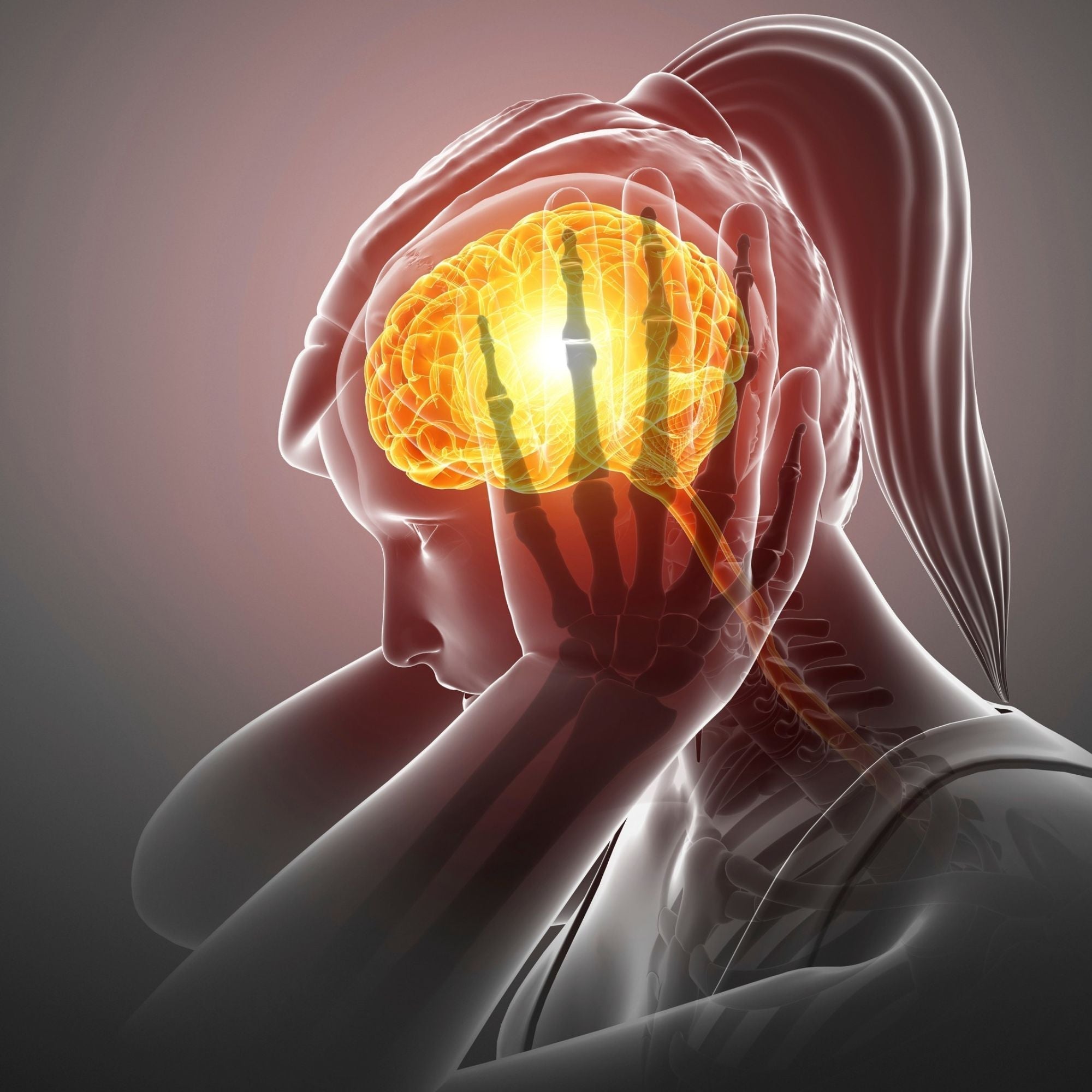
Typical symptoms include moderate to severe pain, which is often described as throbbing and usually affects one side of the head. Many people with migraines are sensitive to light, sound, or smells during an attack.
Migraines are not caused by a lack of resilience or stress alone. Today, it is believed that changes in signal processing in the brain, as well as genetic factors, play an important role.
Causes and Correlations
The development of migraines is complex. In most cases, several factors interact to make the nervous system more sensitive to certain stimuli.
1. Genetic Predisposition
Migraines often run in families. Studies show that genetic factors can have a significant influence on the risk of developing the condition.
In people with migraines, certain areas of the nervous system are more sensitive to internal and external stimuli. This makes it easier for migraine attacks to be triggered.
2. Hormonal Changes
Women in particular report a link between hormonal fluctuations and migraines.
Changes in estrogen levels during the menstrual cycle, pregnancy, or menopause are frequently associated with migraine attacks.
3. Individual trigger factors
Not every trigger leads to a migraine attack in every person. Commonly cited triggers include stress, lack of sleep, changes in weather, strong sensory stimuli, or certain foods.
Crucially, several factors usually coincide before an attack occurs.
Typical symptoms or signs
Migraines can manifest in many different ways. However, there are some symptoms that occur particularly frequently.
1. Pulsating headaches
The primary symptom of migraine is a severe, often one-sided headache.
They are often described as throbbing or pulsating and can intensify with physical activity.
2. Sensitivity to light and sound
During an attack, many people are more sensitive to external stimuli.
That’s why quiet, darkened rooms are often found to be particularly comfortable.
3. Nausea and aura
Nausea is one of the most common accompanying symptoms of a migraine.
Some people also experience what is known as an aura. This can include temporary visual disturbances, flashes of light, flickering, or sensory changes.

The most common signs of a migraine clearly outlined—typical symptoms that indicate an attack and often occur together.
What helps in everyday life?
Migraines cannot always be prevented. However, many people are able to positively influence the frequency or intensity of their symptoms through certain habits.
1. Identify personal triggers
A migraine diary can help identify connections between attacks and possible triggers.
This often makes it easier to avoid individual triggers more effectively.
2. Stay hydrated
Dehydration is often cited as a possible trigger for headaches.
Regular water intake supports normal bodily functions and can help prevent stress.
3. Eat regular meals
Longer breaks between meals can trigger migraine attacks in some people.
A consistent daily routine with regular meals is therefore often recommended.
4. Reduce screen time and exposure to stimuli
Working at a screen for long periods or exposure to bright light can put additional strain on the nervous system.
Taking regular breaks and maintaining ergonomic working conditions can help alleviate this strain.
5. Ensure you get enough sleep
An irregular sleep schedule is one of the most common migraine triggers.
Consistent sleep schedules and a quiet sleeping environment can promote well-being.

Practical everyday tips for managing migraines at a glance—simple habits that can help you better identify your individual triggers and reduce stress.
Natural Support and Medicinal Plants
Medicinal plants have been traditionally used for centuries to support the nervous system and promote general well-being. In the context of migraines, the focus is primarily on plants that are traditionally associated with relaxation, the nervous system, stress regulation, or headaches. Although they are not a substitute for medical treatment, they are often used as a complementary part of naturopathic approaches.

Traditionally Used Medicinal Plants for Migraines and Headaches—selected plants that are frequently associated in naturopathy with relaxation, the nervous system, and general well-being.
- Wild jasmine is traditionally used for nervous tension and stress-related symptoms. In naturopathic approaches, it is often associated with relaxation and inner peace.
- Iris is traditionally used for symptoms associated with gastrointestinal distress and nausea.
- Butterbur has long been used to address headaches. Its active ingredients have also been scientifically studied in the context of migraines.
- Kava-kava is traditionally associated with relaxation and stress relief and is often used to support inner balance.
- Aconite is traditionally used in homeopathy for sudden-onset symptoms and severe pain.