

Why Lyme disease is more than just a tick bite
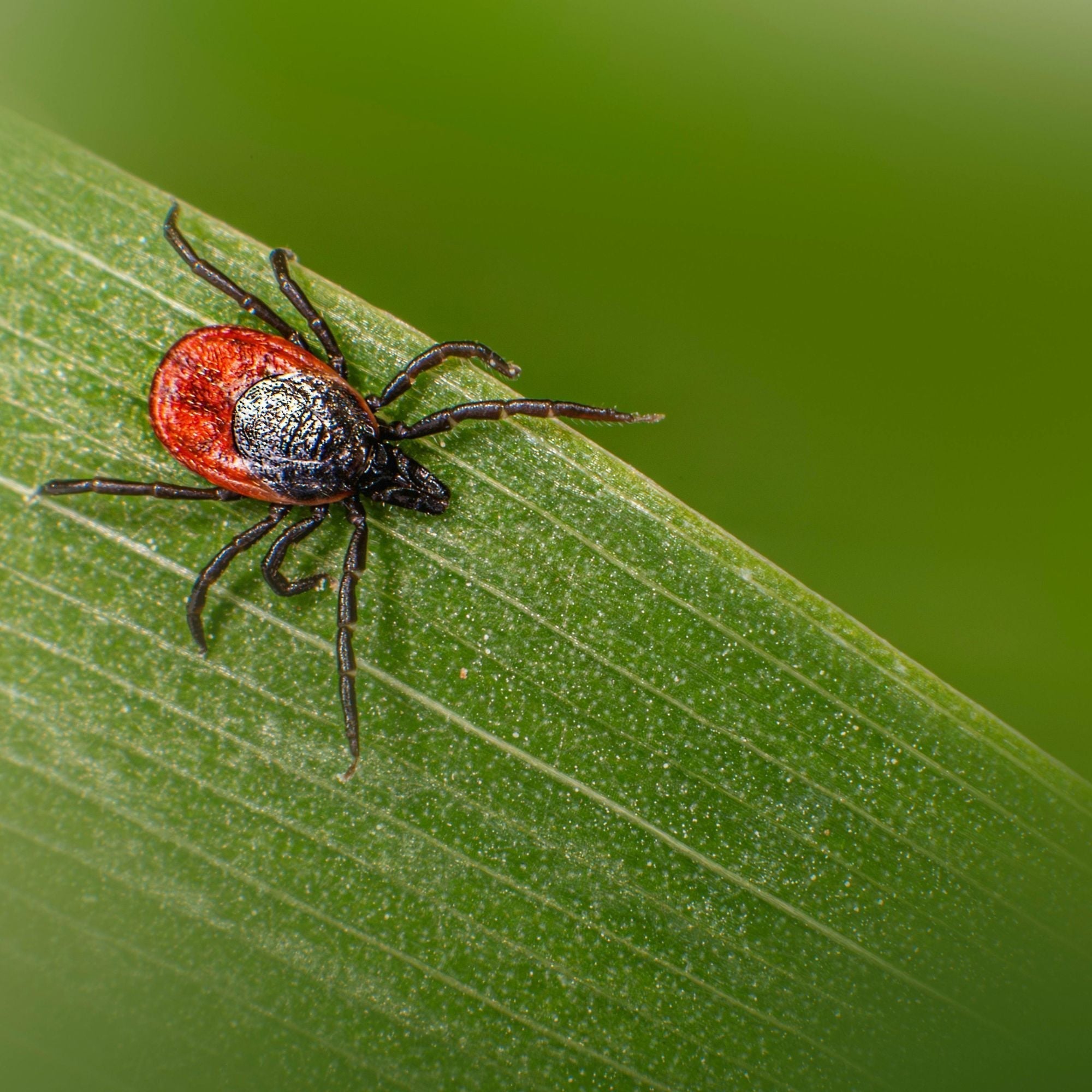
Most tick bites have no consequences. However, ticks can transmit various pathogens, including Borrelia bacteria. After infection, these bacteria can spread throughout the body and affect different organs.
This is precisely what makes Lyme disease so difficult to diagnose. Symptoms often develop gradually and can range from skin changes to joint or nerve symptoms. It is not uncommon for the connection to a previous tick bite to be recognized only late in the course of the illness.
Causes and Connections
Not every tick carries Borrelia bacteria, and not every tick bite automatically leads to illness. Nevertheless, there are some important factors that explain how Lyme disease develops.
1. Transmission occurs through infected ticks
Lyme disease is caused by bacteria from the Borrelia group. These can be transmitted to humans when an infected tick feeds on blood.
Since transmission usually begins only after several hours, the risk of infection can often be reduced by quickly removing the tick.
2. The pathogens can spread throughout the body
After transmission, Borrelia bacteria do not necessarily remain at the bite site. They can spread through the body via tissues and the bloodstream.
As a result, symptoms often occur not only on the skin but also in joints, nerves, or other organs. Lyme disease is therefore classified as a so-called systemic infection.
3. The immune response influences the symptoms
Many symptoms are not caused solely by the bacteria themselves, but by the immune system’s reaction.
To fight the pathogens, the body triggers inflammatory processes. These can cause pain, swelling, or neurological symptoms, among other things.
4. Spending time in nature increases the risk of tick bites
Ticks prefer to live in tall grass, bushes, and damp forest areas. People who spend time outdoors regularly are therefore more likely to come into contact with them.
Ticks are particularly active between spring and fall, though mild temperatures often extend their activity into other seasons.
Typical symptoms or signs
The symptoms of Lyme disease can develop over weeks or months. This is precisely why it is important to recognize potential warning signs early on.
1. Erythema migrans is considered an important early symptom
Erythema migrans is a ring-shaped redness of the skin that spreads around the bite site.
It is one of the most well-known signs of Lyme disease. However, it does not occur in all affected individuals, which is why its absence does not rule out an infection.
2. Flu-like symptoms can be early indicators
In the first few weeks after infection, many affected individuals report fatigue, headaches, body aches, or a mild fever.
These symptoms result from the activation of the immune system and are therefore often initially mistaken for a cold.
3. Joints and the nervous system may be affected
If the Borrelia bacteria spread further throughout the body, joint pain, swelling, or neurological symptoms may occur.
Recurring symptoms in large joints such as the knee are typical. In some cases, nerve pain, sensory disturbances, or facial paralysis may also occur.
4. Long-term effects usually result from an untreated infection
If Lyme disease goes undiagnosed for an extended period, persistent symptoms may develop. These include chronic joint inflammation or neurological problems.
Thanks to modern diagnostic and treatment options, however, such outcomes are now much less common than it used to be.

The symptoms of Lyme disease can range from a typical migratory rash to flu-like symptoms and even joint and nerve symptoms. Early detection helps prevent potential long-term complications.
What helps in everyday life?
Lyme disease should always be diagnosed and treated by a doctor. However, there are some measures that can help support the body and minimize the risk of infection as much as possible.
1. Remove ticks as early as possible
The longer a tick remains in the skin, the higher the risk of pathogen transmission.
Therefore, a tick should be removed as soon as possible using fine-tipped tweezers or a tick removal card. It is important to grasp the tick close to the skin and pull it straight out.
2. Check your skin after spending time outdoors
Ticks are often not discovered until hours after the bite.
After walks, gardening, or hikes, it is therefore worth checking your body thoroughly for ticks. They are particularly common in the backs of the knees, armpits, groin, or at the hairline.
3. Watch for possible warning signs
Not every case of Lyme disease begins with a migratory rash. Therefore, flu-like symptoms, unusual fatigue, or joint pain following a tick bite should also be taken seriously.
The earlier Lyme disease is detected, the better the treatment options.
4. Support the immune system with a healthy lifestyle
Adequate sleep, regular exercise, and a balanced diet can promote overall health.
While these measures do not prevent Lyme disease, they support the body’s normal regenerative and immune processes.
5. Prevention remains the most important protection
Since there is currently no widely available vaccine for humans against Lyme disease, tick prevention is of particular importance.
Long clothing, closed-toe shoes, and appropriate repellents can help reduce the risk of tick bites.
Natural support and medicinal plants
In naturopathy, various medicinal plants are traditionally used for conditions associated with infections, inflammatory processes, or the body’s regeneration. They do not replace medical treatment for Lyme disease but can play a supportive role as part of holistic approaches.

Wild teasel, heartsease, periwinkle, and small stinging nettle are traditionally used in naturopathy to support regenerative, joint, and nervous system processes.
- Wild cardoon Wild cardoon is mentioned particularly frequently in naturopathic approaches to Lyme disease. Its traditional use is primarily associated with long-term stress and supporting the body’s own regulatory processes.
- Heartsease Heartsease is frequently used for complaints related to the joints and musculoskeletal system. For this reason, the plant is also considered in naturopathic approaches to Lyme disease-related joint complaints.
- Periwinkle Periwinkle is traditionally associated with blood circulation and concentration. In naturopathic applications, the plant therefore plays a role particularly in treating neurological conditions.
- Small Stinging Nettle Stinging nettles have long been used in herbal medicine. They are frequently included in treatments that address metabolic, excretory, and general regenerative processes.
- Thuja Thuja has a long tradition in naturopathy and homeopathy. It is often used in treatments that address chronic stress and support the immune system.