


Why ADHD Is Often Misunderstood
Many people automatically associate attention disorders with severe restlessness or impulsive behavior. However, ADHD often manifests itself quite differently. Those affected frequently appear calm, dreamy, or reserved. This is precisely why the disorder is often diagnosed late.
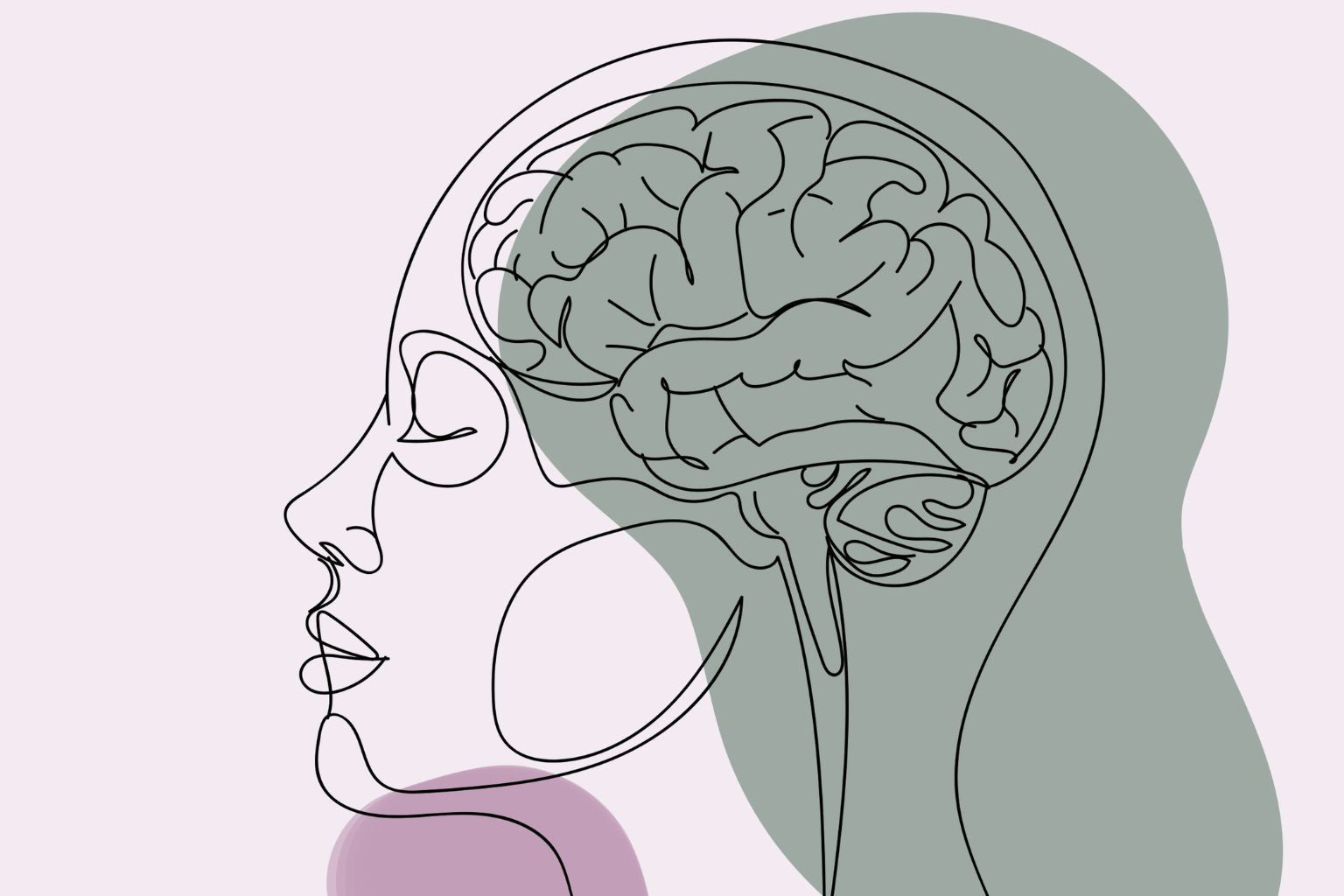
The actual problem usually isn’t a lack of willpower to concentrate. Rather, the brain has difficulty filtering and prioritizing stimuli effectively. As a result, a large amount of information enters consciousness simultaneously, which can make concentration and organization difficult.
Interestingly, many people with ADHD report that they can concentrate for hours on topics that fascinate them. Difficulties often arise especially when tasks are uninteresting or there are many distractions.
Causes and Connections
ADHD is not caused by a lack of discipline or parenting mistakes. Rather, it is a complex interplay of biological and environmental factors.
1. The brain’s stimulus filtering works differently
The brain must constantly decide which information is important and which can be ignored. In people with ADHD, this filtering often functions less efficiently.
As a result, sounds, thoughts, feelings, or external impressions are perceived more strongly. Attention shifts more easily back and forth between different stimuli, making concentration more energy-intensive.
2. Neurotransmitters influence attention and motivation
Neurotransmitters such as dopamine and norepinephrine play an important role. Among other things, they are involved in regulating attention, maintaining motivation, and planning actions.
Differences in these regulatory systems can make it harder to start tasks or sustain effort over time. This explains why many people with ADHD have difficulty consistently tapping into their potential despite having good abilities.
3. Environmental stimuli can exacerbate symptoms
ADHD is not caused by modern media or stress. Nevertheless, constant sensory overload, time pressure, and constant availability can exacerbate existing difficulties.
People with ADHD, in particular, are often sensitive to environments with many simultaneous stimuli. This increases the risk of feeling overwhelmed, mental exhaustion, and concentration problems.
Typical signs of ADHD
Symptoms vary from person to person. However, certain patterns occur particularly frequently.
1. Thoughts wander quickly
Many people with ADHD describe the feeling that new thoughts are constantly popping up. Conversations, tasks, or learning material are thus more easily interrupted.
To others, this often appears as inattention. In reality, the brain is often simply processing too much information at once.
2. Organization requires an above-average amount of energy
Time management, planning, and prioritization are among the most common challenges for those with ADHD.
Tasks are often postponed, appointments forgotten, or projects started but not finished. This is usually not due to laziness, but rather to difficulty managing attention and the steps involved in carrying out tasks.
3. Emotional stressors often have a stronger impact
ADHD doesn’t just affect concentration. Many people with ADHD report increased sensitivity to criticism, stress, or conflict.
This can lead to self-doubt, frustration, or emotional exhaustion. Adults in particular often develop the feeling that they are constantly falling short of their potential.
What helps in everyday life?
Even though ADHD can’t simply be “trained away,” there are Numerous strategies that can make everyday life easier.
1. Clear structures take the strain off the brain
Fixed routines reduce the number of daily decisions. This leaves more mental energy for important tasks.
Calendars, reminders, and well-organized to-do lists can help you better organize your daily life.
2. Exercise supports attention
Physical activity influences various neurotransmitters that are important for concentration and motivation.
Regular exercise, in particular, can help reduce inner restlessness and boost mental performance.
3. Sleep affects sensory processing
During sleep, the brain processes the day’s experiences and regulates important metabolic processes.
Sleep deprivation can exacerbate concentration problems and further reduce emotional resilience.
4. Taking breaks from stimuli promotes recovery
People with ADHD often benefit from intentional breaks from digital media, noise, or constant distractions.
Even short breaks can help relieve the nervous system and refocus attention.
5. Small steps are often more successful
Large tasks often seem overwhelming. When broken down into smaller steps, getting started is often easier.
As a result, many people with ADHD experience a sense of accomplishment more quickly, which can boost motivation and self-confidence.

Clear structures, sufficient sleep, regular exercise, and intentional breaks can help people with ADHD better manage their attention and create a more balanced daily routine.
Natural support and medicinal plants
In naturopathy, ADHD is often viewed in the context of the nervous system, sensory processing, and mental resilience. The goal is not to treat individual symptoms, but to support balance, concentration, and recovery.

Oats, lemon balm, taiga root, ginkgo, and coffee bush are traditionally used to support concentration, mental resilience, and inner balance in daily life.
- Oats are traditionally used to address nervous tension and mental exhaustion and therefore play a role in many naturopathic approaches related to the nervous system.
- Lemon balm is traditionally used for inner restlessness and tension and is often associated with relaxation and emotional balance.
- Taiga root is traditionally used during times of increased mental and physical stress and is considered a classic adaptogenic plant.
- Ginkgo has long been associated with mental performance, alertness, and concentration and is therefore frequently used in naturopathic approaches.
- Coffee bush is traditionally used when fatigue and reduced alertness are the primary concerns and plays a role in various naturopathic applications.