

Why the Adrenal Glands Are Much More Than Just "Stress Organs"
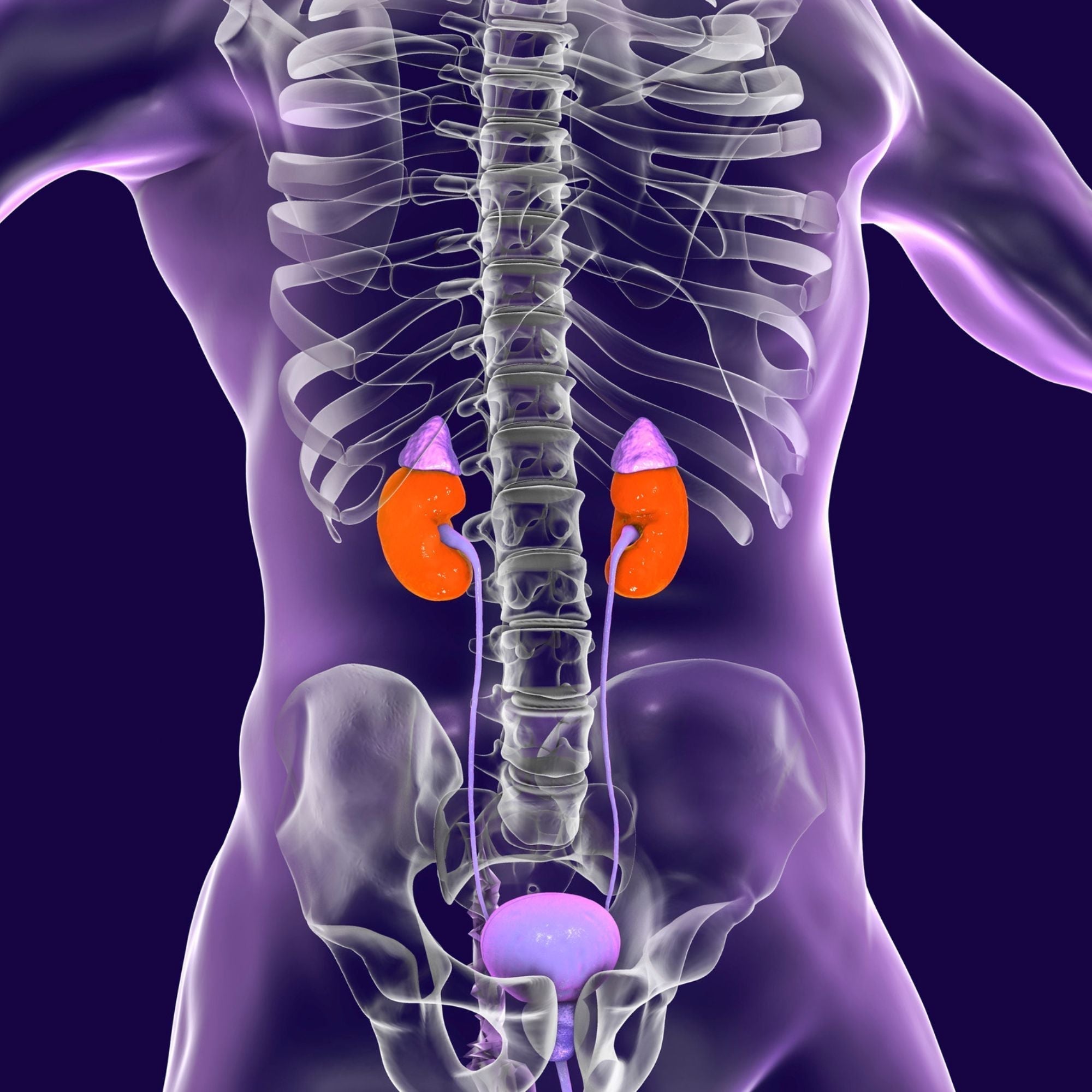
Many people only hear about the adrenal glands when the topic is stress or exhaustion. In reality, however, these small organs located above the kidneys perform far more functions. They produce hormones that influence blood pressure, metabolism, fluid balance, and the body’s response to stress.
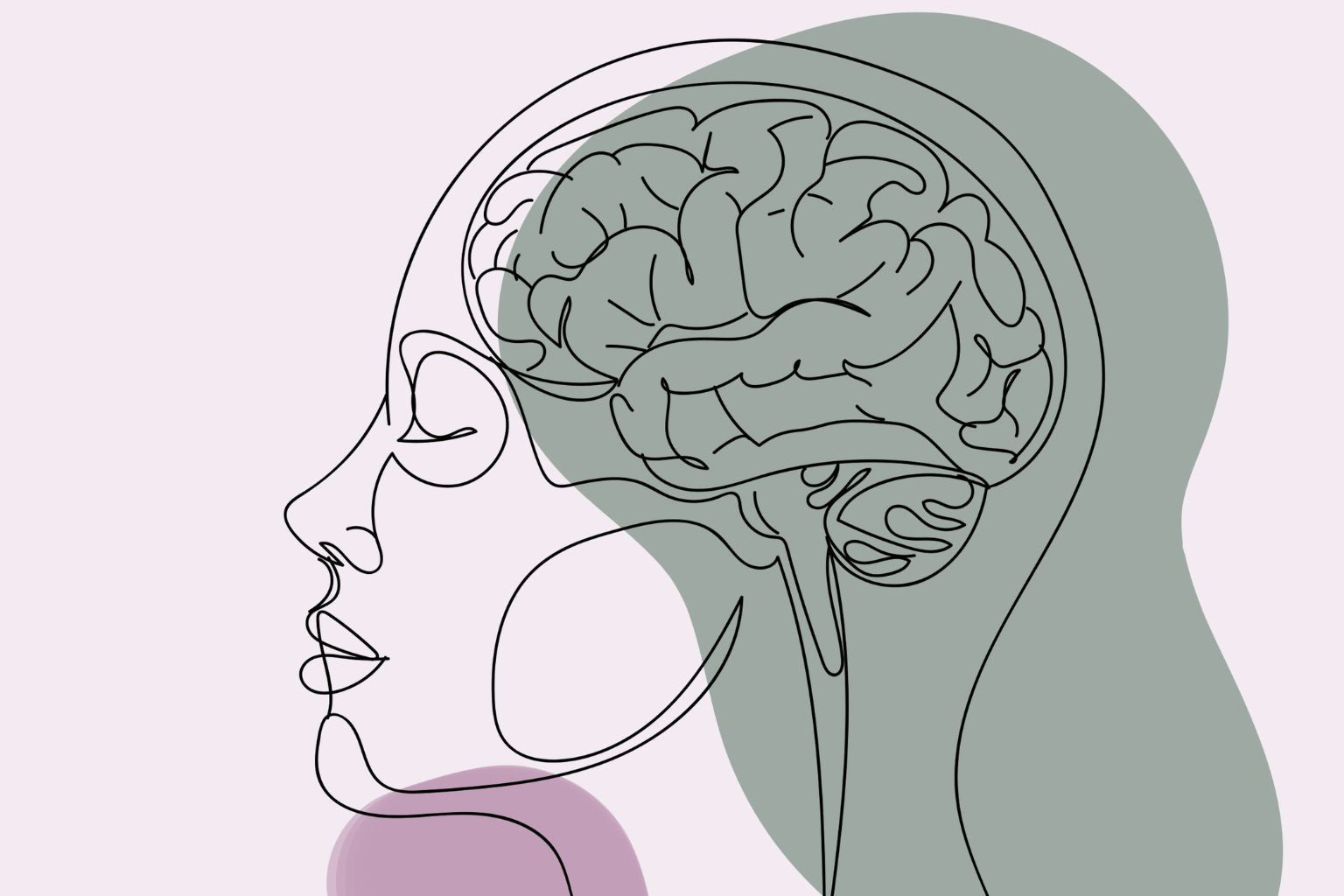
Their role in the so-called stress axis is particularly important. Through a complex interplay between the brain, nervous system, and hormones, the adrenal glands help the body adapt to challenges. In the short term, this is a vital mechanism. Problems arise especially when stress persists over a long period and recovery phases are lacking.
Interestingly, the feeling of exhaustion often does not arise because the body lacks energy. Rather, the regulation of energy supply can become unbalanced. This is precisely where the adrenal glands play an important role.
Causes and Connections
The symptoms experienced by many affected individuals are usually not caused by a single trigger. Often, various stressors interact over an extended period.
1. The stress axis regulates the body’s energy supply
As soon as the body perceives stress, the brain activates the so-called hypothalamic-pituitary-adrenal axis. This regulatory loop controls the release of cortisol.
Cortisol ensures that energy is made available when needed. At the same time, the hormone affects blood sugar, the immune system, the ability to concentrate, and numerous other processes. In the short term, this reaction helps maintain performance. In the long term, however, the system needs sufficient rest to regain its balance.
2. Chronic stress alters hormonal balance
If the body remains in alarm mode for weeks or months, the regulation of various stress hormones changes. The natural fluctuation of cortisol throughout the day can become unbalanced.
Many people affected initially feel tense, restless, or have trouble sleeping. Over time, exhaustion, listlessness, and reduced resilience often come to the fore. It’s not just work-related stress that plays a role here. Worries, emotional strain, time pressure, or constant availability can also permanently activate the stress response.
3. Sleep Deprivation Further Exacerbates the Strain
There is a close interplay between sleep and stress hormones. During the night, the body regulates important hormonal processes and processes the day’s stresses.
If this recovery is regularly lacking, the activity of the stress axis can increase further. At the same time, the ability to respond flexibly to new stresses decreases. This creates a cycle of stress, poor sleep, and increasing exhaustion.
Typical signs of impaired stress regulation
The symptoms usually develop gradually and are often initially perceived as a normal consequence of a stressful daily routine.
1. Exhaustion often manifests first in the morning
Many affected individuals report that they have difficulty getting started in the morning. Despite getting enough sleep, they do not feel rested and take a long time to get going.
One possible reason is that the body’s natural morning activation process no longer functions optimally. As a result, there is often a lack of energy and motivation immediately after waking up.
2. Concentration and resilience decline
Stress hormones influence numerous processes in the brain. If their regulation becomes unbalanced, Attention, memory, and mental resilience suffer as a result.
Many people describe this feeling as “brain fog.” Tasks become more difficult, concentration wanes more quickly, and recovery after stress takes longer than it used to.
3. Sleep and mood become unbalanced
A stress response system that is constantly active can also affect emotional stability. Irritability, inner restlessness, or mood swings often occur alongside sleep problems.
Difficulty falling asleep or waking up during the night are particularly common. This results in a lack of important recovery phases, which can further exacerbate exhaustion.

Persistent stress can manifest as morning fatigue, concentration problems, and changes in sleep and mood.
What helps in everyday life?
The most important foundation is to restore a better balance between stress and recovery.
1. Regular rest breaks the stress cycle
The body needs periods during which there are no performance demands. Even short, intentional breaks can help reduce the activity of the stress response.
It’s less about the duration and more about the regularity. Small pockets of rest throughout the day often have a more lasting effect than infrequent breaks.
2. Blood sugar affects the stress response
Significant fluctuations in blood sugar can place additional strain on the body. If blood sugar drops sharply, the body often responds by releasing more stress hormones.
Regular meals with sufficient protein, fiber, and healthy fats can help keep energy levels more stable.
3. Exercise helps break down stress hormones
Physical activity supports numerous regulatory processes in the body. At the same time, exercise helps relieve accumulated tension.
Moderate activities such as walking, cycling, swimming, or yoga are particularly suitable. They promote blood circulation without overtaxing the body.
4. Sleep is the most important recovery phase
Many repair and adaptation processes are activated during sleep. That is why good sleep is one of the most important factors for healthy stress regulation.
Consistent bedtimes, a quiet sleeping environment, and as little screen time as possible in the evening can help improve sleep quality.
5. Small routines create stability
The body responds positively to regular routines. Consistent mealtimes, regular bedtimes, or short relaxation rituals can provide the nervous system with a sense of structure.
This often makes it easier to balance stress and develop greater stability in daily life over the long term.
Natural Support and Medicinal Plants
In naturopathy, exhaustion is often viewed in the context of stress regulation, resilience, and regeneration. The focus is not on individual symptoms, but on the interplay between the nervous system, hormonal balance, and lifestyle. The goal is to holistically support the body during periods of increased stress and to aid natural regenerative processes.

Taiga root, angelica, oats, annual mugwort, and kava-kava are traditionally used to support the body during times of stress, exhaustion, and inner restlessness used.
- Taiga root is traditionally used during times of increased physical and mental stress and is often associated with vitality and adaptability.
- Angelica is valued in traditional herbal medicine and is frequently used in naturopathic approaches focused on inner balance and well-being.
- Oats is traditionally associated with the nervous system, resilience, and regeneration, and therefore plays a role in many naturopathic applications.
- Common mugwort is traditionally used and is found in various naturopathic approaches to support general well-being.
- Kava-kava is traditionally used for inner restlessness and tension and is closely associated with relaxation and serenity.