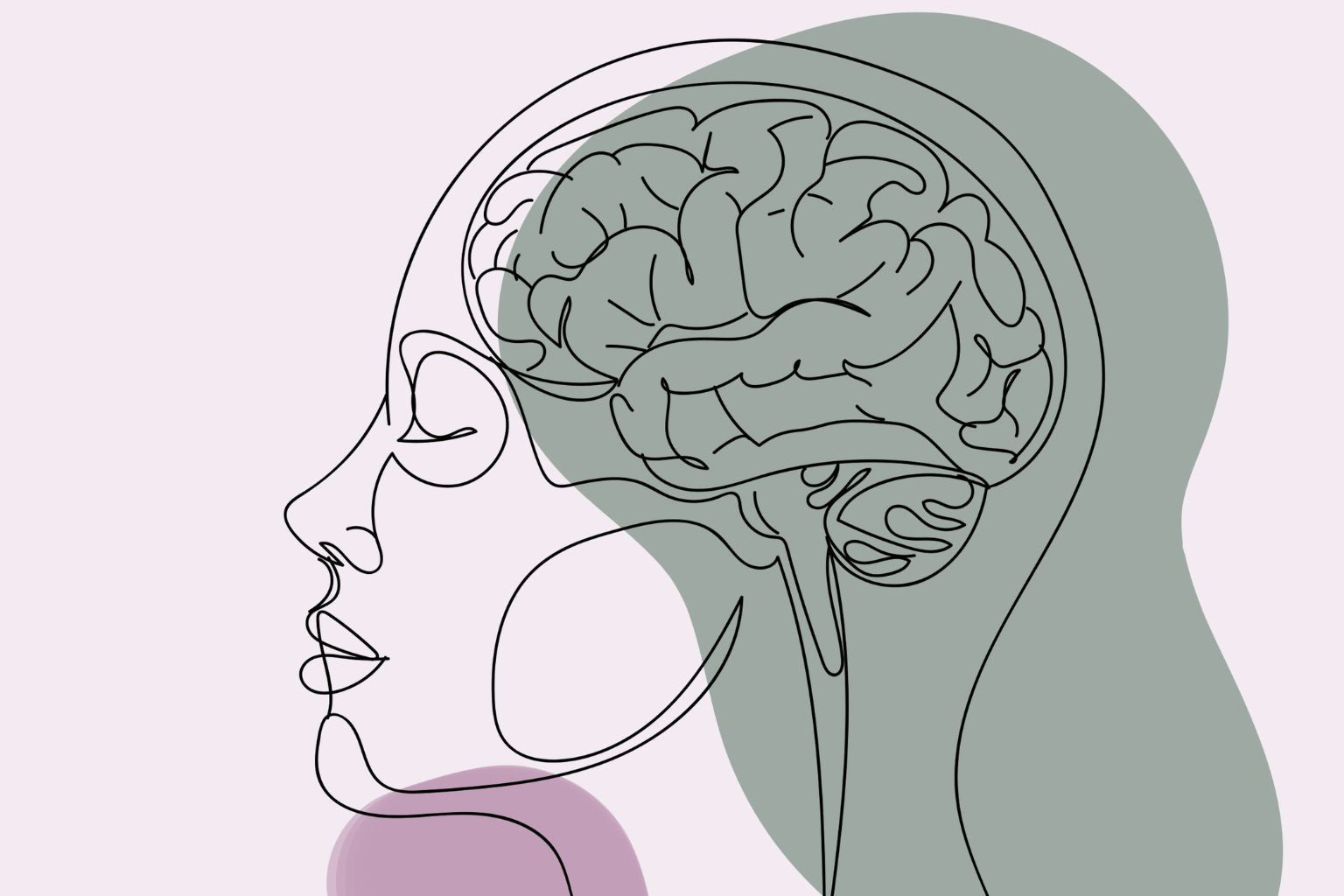



Sleep and Its Importance
Over 34 million Germans report regular sleep problems—whether they have trouble falling asleep, staying asleep, or feeling rested after a night’s sleep. The consequences are often fatigue, exhaustion, and a lack of energy in daily life.
Yet sleep is far more than just a time to rest: while we sleep, the body regenerates, the immune system is strengthened, and the brain processes information and memories. Important healing and regeneration processes also take place during sleep.
Good sleep is therefore an essential foundation for physical and mental performance. With these 10 tips, you can specifically help your body fall asleep and stay asleep.
10 Tips for Better Sleep
1. Create a bedtime ritual
A regular ritual helps your body wind down. This could be a cup of tea, reading, or listening to calm music. Consistency is key so your body recognizes: Now the recovery phase begins.
2. Use power naps wisely
If you have trouble falling asleep at night, you should avoid long afternoon naps. If you need rest during the day, a power nap of 10–30 minutes can be helpful. It can boost energy and concentration without negatively affecting your nighttime sleep.
3. Don’t put pressure on yourself to sleep
If you can’t fall asleep, don’t lie there for hours If you find yourself lying awake in bed, it’s better to get up for a moment, have a drink, or read a few pages. Stress and worrying often make it even harder to fall asleep.
4. Make sure your bedroom has fresh air
. Strong-smelling creams, perfumes, or stale air can disrupt your sleep. Houseplants like aloe vera or dragon trees can improve indoor air quality and create a more pleasant sleeping environment.
5. Create a comfortable sleeping environment
A quiet and relaxed atmosphere can significantly improve sleep quality. Keep the following in mind:
- a suitable mattress
- as few light sources as possible
- a room temperature of 16–18 °C
- few electronic devices in the bedroom
In addition, the bed should ideally be used only for sleeping.
6. Exercise regularly
Regular exercise can promote sleep and reduce stress. However, you should not do intense workouts right before bedtime, as they can have a stimulating effect. Ideally, wait about 2–4 hours before going to bed.
7. Find your regular rhythm
Try to go to bed and wake up at similar times whenever possible. Consistent routines help your body develop a natural sleep-wake cycle.
8. Avoid bright light in the evening
Blue light from smartphones, tablets, or TVs, in particular, can inhibit melatonin production. This hormone regulates our day-night rhythm and supports important nighttime recovery processes. Therefore, try to minimize exposure to bright screens in the evening
as much as possible
.
9. Pay attention to your diet
In the evening, try to avoid:
- Caffeine
- Alcohol
- Heavy or greasy meals
These can disrupt sleep and impair nighttime recovery.
10. Make a conscious effort to relax
Stress and inner restlessness are among the most common causes of sleep problems. Relaxation exercises, breathing techniques, or calm evening routines can help prepare your body and mind for the night

Even small habits can help improve sleep quality in the long term.
These medicinal plants can naturally support your sleep
While sleep problems cannot always be completely avoided, naturopathy has long relied on selected medicinal plants to gently support relaxation and restful sleep. Many of these plants are traditionally used for inner restlessness, stress, or trouble falling asleep. We’ve summarized here which medicinal plants are particularly valued for this purpose and how they are traditionally used:

Medicinal plants and natural active ingredients can support sleep.
- Kava-kava (Piper methysticum) is best known for its calming and relaxing properties and is traditionally used to help with inner restlessness and trouble falling asleep.
- St. John’s wort (Hypericum perforatum) is frequently used in naturopathy to balance mood and address sleep problems caused by nervousness.
- Hops (Humulus lupulus) is one of the classic calming medicinal plants and is traditionally used to promote relaxation and restful sleep.
- Oats (Avena sativa) are known for their nerve-strengthening properties and are traditionally used to counteract stress and support inner calm.
- Coffee (Coffea arabica) is used in very low doses in certain naturopathic applications to address nervous restlessness and restless sleep.