


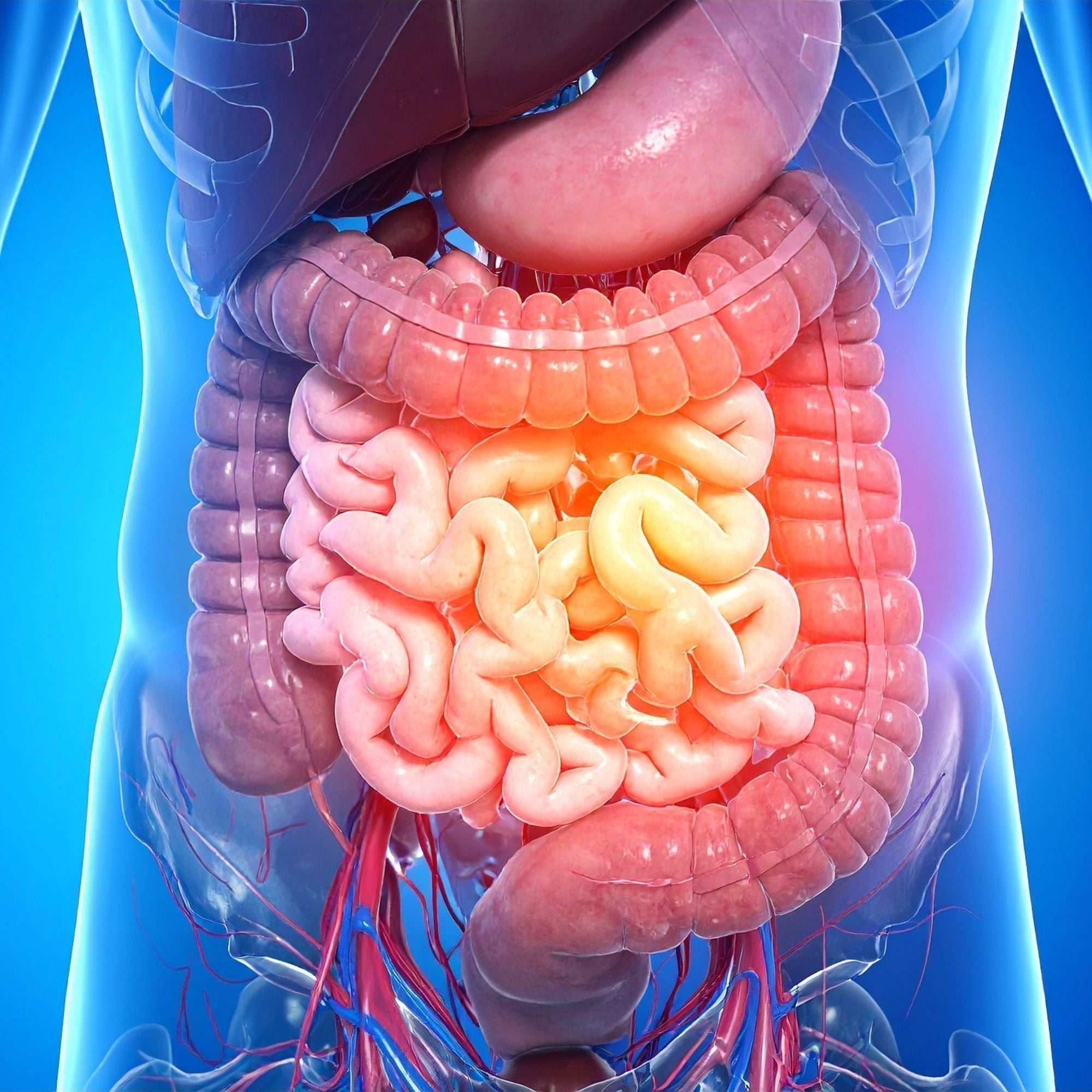
What are SIBO and SIFO?
SIBO (Small Intestinal Bacterial Overgrowth) and SIFO (Small Intestinal Fungal Overgrowth) describe forms of small intestinal overgrowth. In these conditions, microorganisms multiply in the small intestine to a greater extent than intended and can interfere with normal digestion.
The small intestine is primarily responsible for nutrient absorption. Compared to the large intestine, it normally contains significantly fewer microorganisms. If this balance is disrupted, fermentation processes, inflammatory reactions, and digestive symptoms can occur.
While SIBO primarily involves bacteria, SIFO is characterized by excessive proliferation of yeast. The symptoms are often similar, which is why an accurate diagnosis is important.
Causes and Correlations
Various factors can contribute to the proliferation of bacteria or fungi in the small intestine. Often, multiple causes play a role simultaneously.
1. Impaired intestinal motility
The small intestine has natural cleansing mechanisms that transport excess microorganisms toward the large intestine.
If this intestinal motility is slowed, bacteria or fungi can remain in the small intestine longer and multiply there. This is associated, among other things, with certain diseases or digestive disorders.
2. Changes in the Gut Flora
Antibiotics can affect the natural balance of the gut flora. This can reduce the number of beneficial bacteria, while other microorganisms are given more room to multiply.
Particularly in cases of SIFO, it is debated that repeated courses of antibiotics may promote the growth of yeast.
3. Low stomach acid and diet
Stomach acid serves as an important protective barrier against unwanted pathogens. If its production is reduced, more microorganisms can reach the small intestine.
A long-term unbalanced diet high in highly processed foods can also affect the composition of the gut microbiome.

The main causes of small intestinal bacterial overgrowth at a glance—factors that can affect the balance of gut flora, digestion, and natural bowel function.
Typical symptoms or signs
The symptoms are often caused by gas, metabolic byproducts of microorganisms, and impaired nutrient absorption.
1. Bloating and a feeling of fullness
Bloating is one of the most common signs of small intestinal bacterial overgrowth.
The microorganisms ferment carbohydrates, producing gases that can lead to a bloated abdomen and a feeling of pressure.
2. Abdominal pain and digestive discomfort
Many affected individuals report recurring abdominal pain, cramps, or changes in bowel habits.
Typical symptoms include diarrhea, constipation, or alternating between the two. Irritable bowel syndrome can also cause similar symptoms.
3. Fatigue and nutrient deficiencies
If the absorption of important nutrients is impaired, deficiencies can develop over time.
Fatigue, difficulty concentrating, or a general Feelings of fatigue are therefore often described in connection with SIBO or SIFO.
What helps in everyday life?
Small intestinal bacterial overgrowth should be medically evaluated. At the same time, certain measures can support the digestive tract in everyday life.
1. Monitor your individual diet
Not everyone reacts to the same foods.
A food diary can help identify personal triggers for bloating or discomfort.
2. Reduce highly processed foods
Foods high in sugar or containing many additives are often linked to changes in the gut microbiome.
A diet that is as natural as possible may therefore be beneficial.
3. Eat in moderation and chew slowly
Digestion begins in the mouth.
Chewing thoroughly reduces the burden on the digestive tract and can make it easier to process food.
4. Reduce stress
There is a close connection between the gut and the nervous system.
Chronic stress can exacerbate digestive discomfort and is linked to changes in gut function.
5. Incorporate exercise into your daily routine
Regular exercise can support bowel function.
Even daily walks or moderate endurance training can have a positive impact on your overall well-being.

Everyday measures to support digestion and gut health—from mindful eating to stress management and regular exercise.
Natural Support and Medicinal Plants
Medicinal plants have been traditionally used for centuries to support digestive processes and promote well-being. In the context of SIBO and SIFO, the focus is primarily on plants traditionally associated with the stomach, intestines, digestive juices, or the immune system. Certain natural substances are also frequently used due to their properties. They are not a substitute for medical treatment but are often used as a complementary therapy in naturopathy.

Selected medicinal plants and natural substances that are frequently used in naturopathy in connection with digestive function, gut flora, and the immune system.
- Milk thistle is traditionally used to support the liver and digestion
- Goldenseal root is traditionally used for mucous membranes and the digestive tract. In naturopathic approaches, it is frequently used for gastrointestinal complaints.
- Okoubaka is traditionally used in connection with digestive disorders and dietary changes and is commonly found in naturopathic approaches to gut health.
- Annual mugwort is traditionally used and is associated with various digestive and metabolic processes.
- Caraway ( ) is one of the classic digestive herbs. It is traditionally used to treat flatulence and bloating
- Nasturtium is often used to naturally support the immune system due to its plant-based compounds.
- Propolis is traditionally used to support the immune system.