

What does resilience mean?
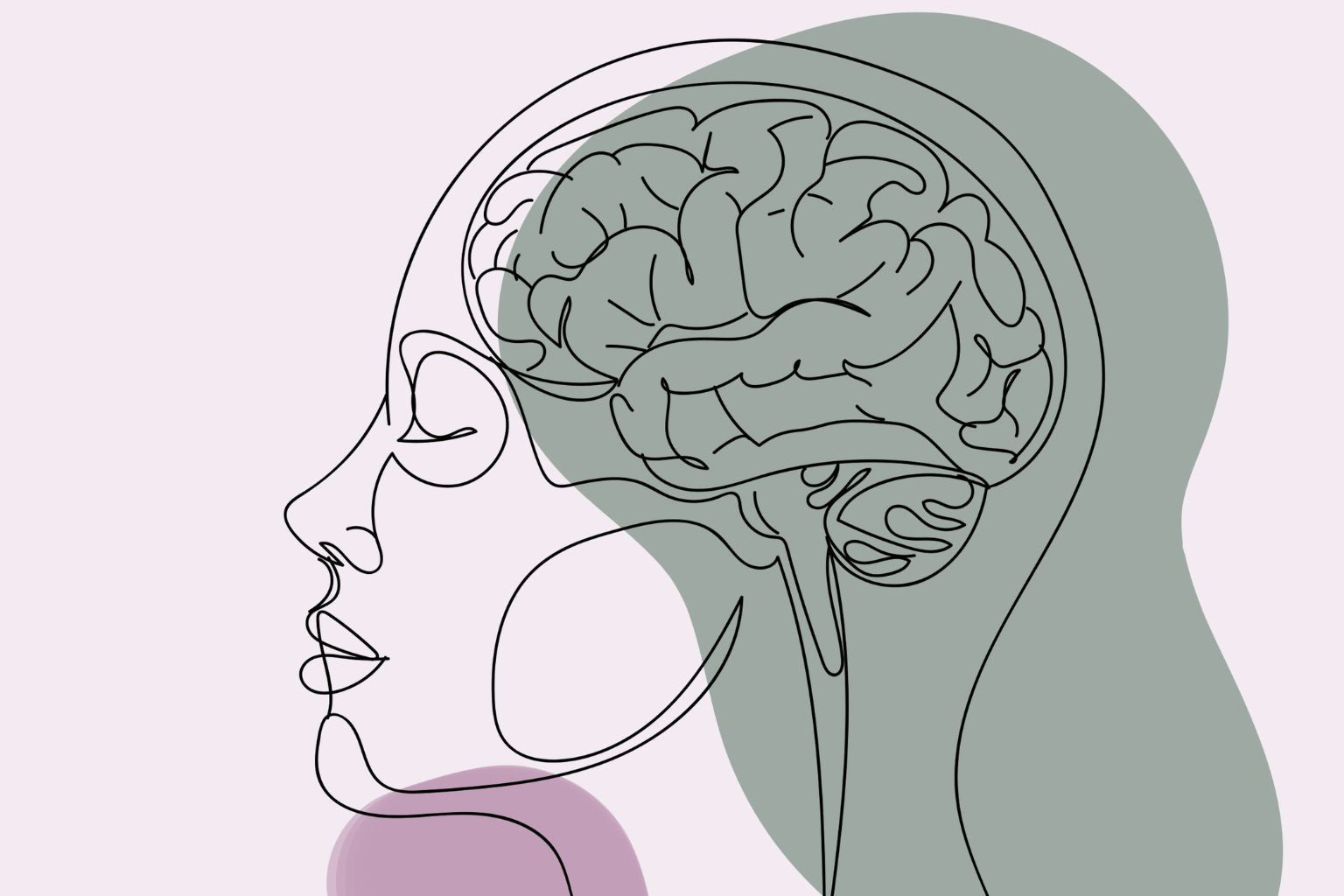
Resilience describes the ability to cope with stress, crises, and emotional strain without being broken by them in the long run. People with strong resilience are often better able to process difficult situations and regain their stability after stressful periods. It’s not about always being strong or constantly positive. Rather, resilience means being able to respond flexibly to challenges and taking one’s own limits seriously. The good news: Resilience can be cultivated and actively strengthened in everyday life.
Why mental resilience is more important today than ever before
The demands of everyday life have increased significantly in recent years. High pressure to perform at work, constant availability, an information overload, and a lack of recovery periods can take a toll on both the body and the mind over the long term. Many people feel they must keep functioning constantly without finding enough time to recover.
Stress becomes particularly problematic when pressures persist over a longer period of time. Chronic stress can disrupt emotional balance and negatively affect concentration, sleep, and overall well-being. This is precisely where resilience plays an important role: it helps people cope with challenges in a healthier way and remain mentally stable.
1. Inner Restlessness and Tension
Persistent stress can cause those affected to feel constantly tense or internally restless. Many people have difficulty unwinding or finding peace.
2. Sleep Problems and Exhaustion
Psychological stress often affects sleep as well.Difficulty falling asleep, restless sleep, or the feeling of not being fully rested can be early warning signs of burnout.
3. Concentration Problems and Mental Exhaustion
Constant pressure can impair the ability to concentrate and intensify feelings of mental exhaustion. Even everyday tasks are then often perceived as exhausting.
4. Irritability and Emotional Strain
Stress affects not only the body but also emotional processing. Irritability, frustration, or emotional exhaustion can be signs that you’re reaching your limits.
5. Withdrawal and lack of motivation
Many people increasingly withdraw during stressful periods or lose motivation for activities that normally do them good. This, too, can be a sign that your body and mind need more rest.
The 7 Pillars of Resilience
Resilience does not stem from a single trait, but rather from various inner attitudes and abilities. The so-called “7 Pillars of Resilience” describe protective factors that can help people better cope with stress, crises, and stressful situations. They help people remain more emotionally stable, face challenges more consciously, and strengthen their mental health in the long term.
1. Optimism
Optimism does not mean ignoring problems or seeing everything in a positive light. Rather, it involves perceiving difficult situations as changeable and trusting that stressful phases will eventually pass.
2. Acceptance
Acceptance describes the ability to initially accept stressful situations rather than constantly fighting against them. Only when a situation is viewed realistically can new solutions emerge.
3. Solution-Orientation
People with strong resilience often focus more on possible courses of action than solely on problems. This creates a sense of being able to actively influence the situation again.
4. Taking Responsibility
The willingness to take responsibility for one’s own actions and decisions strengthens the sense of self-efficacy and control.
5. Moving Beyond the Victim Role
Resilient people try not to feel powerless all the time. Instead, they focus on the areas they can influence themselves.
6. Focus on
Social Networks Social relationships are an important protective factor for mental health. Support from family, friends, or colleagues can help people cope better with stress.
7. Planning for the Future
Realistic goals and personal perspectives provide direction and can help people stay motivated even during difficult times.

The seven pillars of resilience according to the resilience model—key protective factors for coping with crises and challenges.
What You Can Do in Your Daily Life to Build Resilience
Resilience often stems from small habits in everyday life. Even small, conscious changes can help you cope better with stress and strengthen your mental resilience in the long term. What matters most is not perfection, but being mindful of your own needs and limits.
Regular periods of rest, social support, and routines that can relieve physical and mental strain are particularly important.
1. Establish fixed routines
Clear daily structures provide orientation and can help reduce stress and feelings of being overwhelmed. Regular bedtimes, intentional breaks, and set routines create stability in daily life.
2. Incorporate sufficient physical activity
Exercise can help reduce stress and improve overall well-being. Even simple walks, light workouts, or time spent outdoors can have a positive effect on both the body and the mind.
3. Maintain social connections
Conversations with trusted people can provide emotional relief and help you better make sense of stressful situations. Social support is considered an important protective factor for mental health.
4. Plan for Conscious Rest
Being constantly available and lacking periods of rest can increase mental strain. That’s why it’s important to incorporate regular breaks into your daily routine and consciously create moments of rest.
5. Consciously Question Your Own Thoughts
Your personal mindset also influences how you cope with stress. In psychology, a technique known as “reframing” is often used. This involves consciously putting stressful situations into perspective and shifting the focus more toward possible solutions.
Instead of thinking, “I can’t handle all of this”, try thinking, “The situation is challenging right now, but I can take it one step at a time.”
While this doesn’t change the situation itself, it often changes your perception of it and how you deal with it.

Five simple habits that can help strengthen resilience, inner stability, and mental balance in everyday life.
Helpful Questions for Self-Reflection
Sometimes it helps to consciously pause and reflect on your own situation. Certain questions can help you better understand stress, recognize your personal needs, and develop new perspectives.
The point isn’t to find solutions right away. Often, simply taking a conscious look at your own thoughts, feelings, and sources of stress is enough.
1. What gives me energy right now?
Becoming aware of which people, activities, or routines are good for you can help you identify new sources of strength in your daily life.
2. Which situations are particularly stressful for me?
Recognizing your personal stress triggers allows you to deal with them more consciously and take early action to counteract them.
3. Which boundaries should I take more seriously?
Many people ignore warning signs for long periods of time. Recognizing your own needs is an important part of mental health.
4. When have I successfully navigated difficult situations in the past?
Reflecting on past challenges can strengthen your confidence in your own abilities and open up new perspectives.
5. What small changes would be good for me right now?
Often, even small adjustments to daily life can provide long-term relief. These include, for example, taking regular breaks from screens, going for a short walk after work, or consciously turning off your cell phone and laptop in the evening.
Discover medicinal plants for greater inner balance in everyday life

Selected medicinal plants such as taiga root, lemon balm, and kava-kava are traditionally used to support inner balance, mental strength, and resilience during stressful or uncertain times.
- Taiga root (Eleutherococcus senticosus)
Taiga root is traditionally considered a tonic medicinal plant and is often used to address stress, fatigue, and exhaustion. - Lemon balm (Melissa officinalis)
Lemon balm is known for its calming properties and is traditionally used to promote relaxation and inner balance. - Kava-kava (Piper methysticum)
Kava-kava is traditionally used to promote calmness, reduce stress, and positively support mood. - Angelica (Angelica archangelica)
Angelica is considered a tonic herb and is traditionally used to support vitality and general well-being.