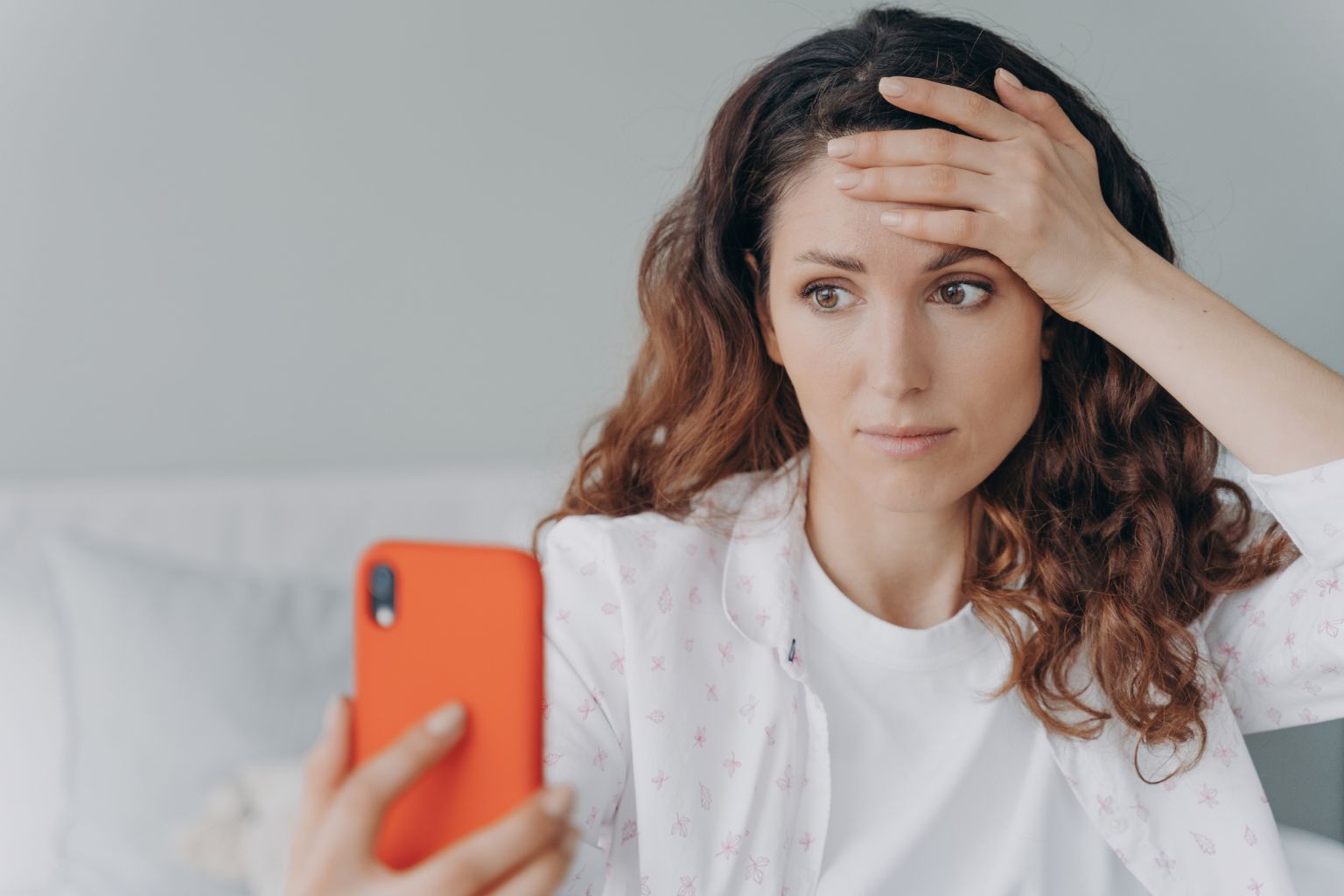



Why the Period After Stopping the Pill Is Often Underestimated
Many women stop taking the pill and expect their bodies to immediately return to their previous state. In reality, however, a complex adjustment process begins. While taking hormonal contraceptives, the natural cycle is specifically influenced and the body’s own hormone production is altered.
After stopping the pill, the body must once again regulate numerous processes on its own. This isn’t just about estrogen and progesterone. The skin, metabolism, nervous system, gut, and energy balance are also closely linked to hormonal processes. This is precisely why symptoms may arise that, at first glance, don’t seem related to the pill at all.
The so-called “post-pill syndrome” does not describe a distinct medical condition. Rather, it is a term for physical and emotional changes that can occur during this period of hormonal readjustment. What matters is not the individual symptom, but an understanding of the biological processes behind it.
Causes and Connections
The adjustment period after stopping the pill affects far more than just the menstrual cycle. Several regulatory systems must reorganize themselves simultaneously.
1. Hormonal regulation must resynchronize
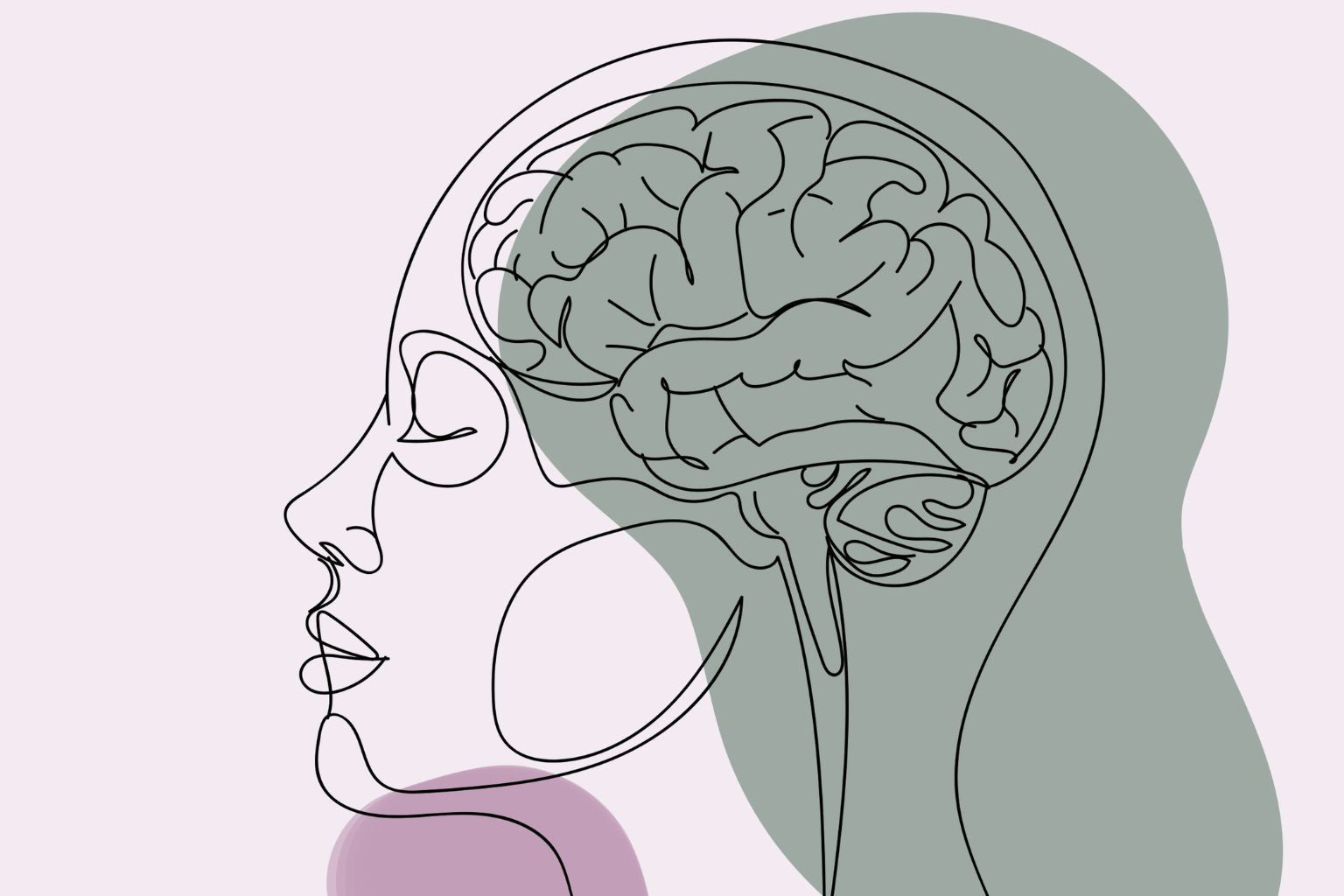
While taking hormonal contraceptives, natural ovulation is suppressed. As a result, communication between the brain and the ovaries proceeds differently than in the natural cycle.
After discontinuation, the hypothalamus, pituitary gland, and ovaries must resume their coordination. This process does not always go smoothly right away. Hormonal fluctuations can occur before a stable rhythm develops. As a result, skin, mood, energy levels, and the menstrual cycle are often temporarily affected.
2. The gut, metabolism, and hormones work more closely together than many realize
An often underestimated factor is the role of the gut. Parts of hormonal metabolism take place in the digestive system. At the same time, the gut microbiome influences numerous metabolic and immune processes.
If this balance is disrupted, it can also affect hormonal regulatory mechanisms. Interestingly, this is why many women find that digestion, skin condition, and menstrual cycle patterns can be interconnected after stopping the pill.
3. Nutrients play an important role in adaptability
Hormones, the nervous system, and energy metabolism require a variety of micronutrients. Magnesium, zinc, B vitamins, and omega-3 fatty acids, in particular, are involved in numerous regulatory processes.
If intake is not optimal, the body’s adaptability may be limited. As a result, some women find it more difficult to adapt to their new hormonal situation. The nutrients themselves do not cause or eliminate the symptoms, but they are part of the biological foundation for stable regulation.
4. The nervous system influences hormonal balance
The endocrine and nervous systems are in constant communication. Stress, lack of sleep, or chronic stress can directly affect hormonal processes.
Many women therefore report not only physical Changes, but also inner restlessness, increased sensitivity, or mood swings. These reactions are often a sign that the body is still in a phase of adjustment.
Typical Symptoms or Signs
The symptoms often develop gradually and do not manifest in the same way for every woman.
1. Skin and hair are often particularly sensitive
Acne, blemishes, or increased hair loss are among the most common changes after stopping the pill. A key reason for this is that the skin reacts very sensitively to hormonal fluctuations.
During the adjustment phase, sebum production may change. At the same time, hair follicles react to hormonal processes with a time lag. This is why some symptoms do not appear until weeks or months after stopping the pill.
2. The menstrual cycle takes time to regain its rhythm
Not every woman regains a regular cycle immediately after stopping the pill. The first period may be delayed, or the cycle length may fluctuate significantly.
These changes often indicate that hormonal communication between the brain and the ovaries has not yet fully stabilized. This does not necessarily mean the body is malfunctioning; rather, it is going through a phase of reorganization.
3. Mood and resilience may change
Hormones influence numerous neurotransmitters in the brain. As a result, hormonal changes can also have an emotional impact.
Many women describe increased irritability, more severe mood swings, or the feeling that they perceive stress more intensely. These changes often arise from the interplay between hormonal adjustment and the nervous system.
4. Fatigue and exhaustion are often underestimated
During the adjustment phase, the body invests energy in numerous regulatory processes. At the same time, sleep quality and stress management may be affected.
As a result, some women report persistent fatigue, reduced resilience, or a lack of energy. These symptoms are often complex and cannot be attributed to a single factor alone.
What Can Help in Daily Life
The hormonal transition cannot be accelerated. Nevertheless, there are factors that can support the body during this phase.
1. Give the body enough time
Many women expect their cycle to return to normal quickly. In fact, hormonal regulation processes often take several months.
Patience can therefore be an important part of the adjustment phase. Not every change automatically means that something is wrong.
2. Consciously reduce stress
Stress influences the release of numerous neurotransmitters and hormones. As a result, it can further exacerbate existing symptoms.
Regular rest, intentional breaks, and sufficient sleep support the nervous system and can help promote inner stability.
3. Maintain a balanced diet
A varied diet provides the building blocks needed for metabolism, the nervous system, and hormonal balance
In particular, vegetables, high-quality protein sources, healthy fats, and as few highly processed foods as possible are often considered beneficial.
4. Use exercise to help regulate
your bodyRegular exercise doesn’t just affect physical fitness
It also influences stress management, Sleep quality and metabolism.
Even moderate activities such as walks or light endurance training can help support the body’s ability to adapt.
5. Have symptoms evaluated by a doctor
Not every change after stopping the pill is automatically part of post-pill syndrome. That’s why a medical evaluation can be helpful, especially in cases of severe or persistent symptoms.
A professional evaluation helps rule out other causes and better understand the situation.

Small changes in daily life can help the body regain its balance during the hormonal transition after stopping the pill.
Natural Support and Medicinal Plants
Naturopathic approaches often view the period after stopping the pill as a phase of regulation. The focus is not on combating individual symptoms, but on supporting the body’s own adaptive processes. Traditionally, various medicinal plants are used that play a role in naturopathic concepts related to the menstrual cycle, metabolism, skin, and emotional balance.

Traditionally used medicinal plants and natural substances are frequently employed in naturopathy to holistically support the body during periods of hormonal transition.
- Chasteberry (Vitex agnus-castus) is traditionally used to support the female menstrual cycle and is often considered in the context of hormonal adjustment processes.
- Lady’s mantle(Alchemilla vulgaris) has a long tradition in women’s health and is frequently used to support natural menstrual cycles.
- Pulsatilla (pasque flower) is often associated with emotional balance and hormonal transition phases in naturopathic approaches.
- Dandelion is traditionally used to support metabolic and digestive processes and is therefore frequently included in holistic regulatory approaches.
- Milk thistle (Silybum marianum) is traditionally associated with the liver, which plays an important role in hormone metabolism.
- Pansy (Viola tricolor) is traditionally used for skin concerns and therefore often plays a role in naturopathic approaches addressing hormone-related skin changes.