

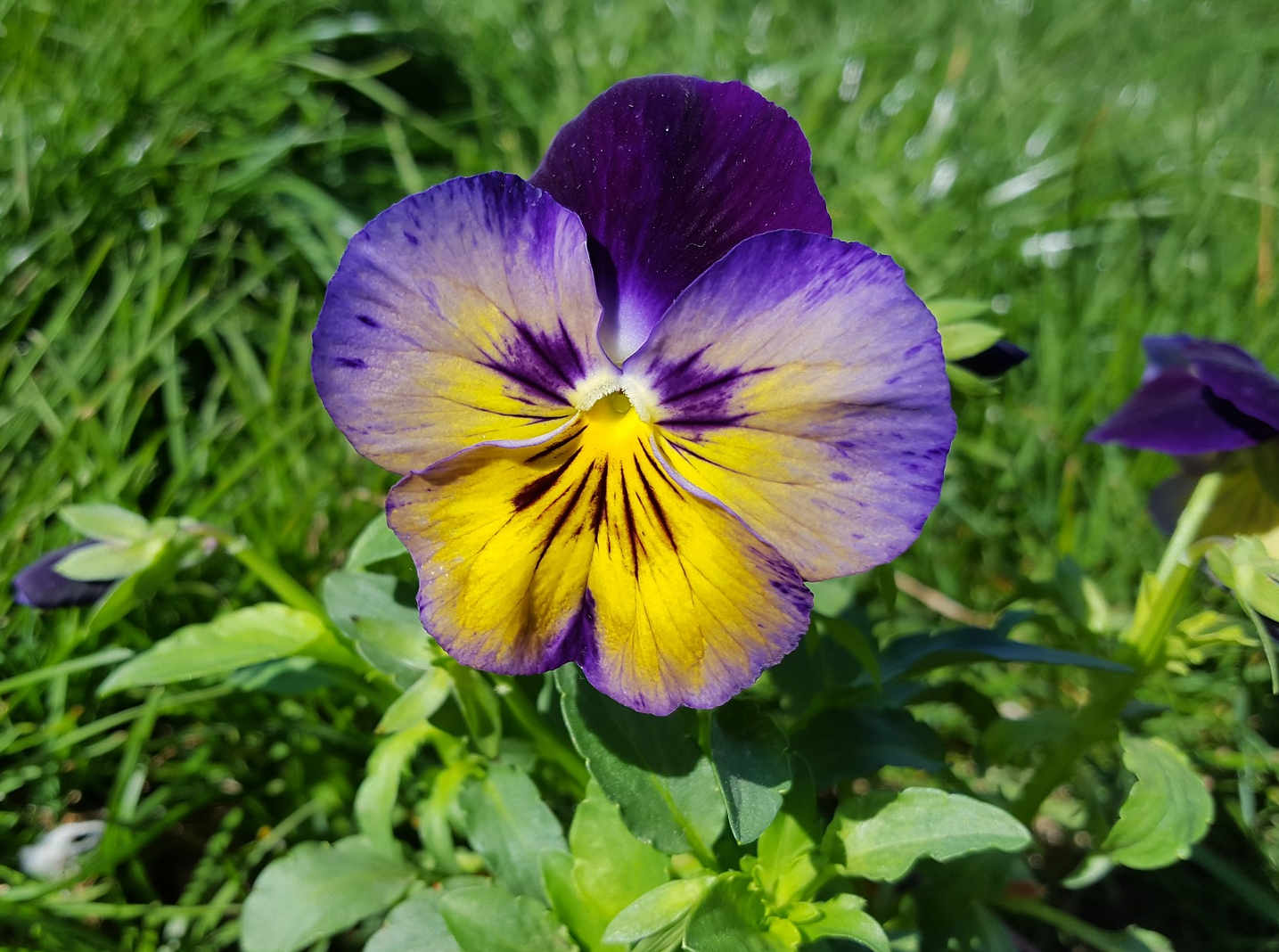
The colorful balcony plant as a champion of medicinal plants – ONLY the wild pansy works! Salicylic acid and flavonoids for the skin, mucous membranes, and immune system.
Interesting facts about pansies
- ONLY the wild Viola tricolor has medicinal properties—cultivated varieties are ineffective due to selective breeding.
- Name of the petals: broad lower petal = the stepmother hides her daughters.
- It is also an important medicinal plant for treating vaginal infections.
Effects & Properties
Salicylic acid: anti-inflammatory, blood-thinning (similar to aspirin), keratolytic. Flavonoids: antimicrobial, antioxidant. Anthocyanins and Vitamin C: Boost your immune system. Mucilages: Soothes mucous membranes. Diuretic: Flushes the urinary tract.
Features: anti-inflammatory, antimicrobial, anti-itch, expectorant, diuretic, immunostimulant.
Applications
Pansies for skin problems
Seborrheic dermatitis, psoriasis, atopic dermatitis, and acne all benefit from the combined effects of wild pansy. Salicylic acid loosens dead skin cells and unclogs pores (keratolytic), flavonoids combat skin bacteria, and the anti-inflammatory effect reduces redness and swelling. Combined for internal use as a tea and external use as a cleansing lotion.
Viola for Eczema
Eczema often has a metabolic component—the body eliminates waste products through the skin because other excretory organs are overburdened. Pansies help relieve this metabolic strain through their diuretic and immunomodulatory effects: the skin is relieved of its role as an excretory organ, and the eczema improves from within.
Pansies for Stress
Wild pansy has a balancing effect on the nervous system. When consumed daily as a tea, it helps build resilience to stress, balances the autonomic nervous system, and helps the body cope better with chronic stress.
Viola for Rheumatism
Rheumatic conditions benefit from the combined effects of salicylic acid and flavonoids found in the common pansy. Its anti-inflammatory effect is similar to that of aspirin—but milder and without causing stomach irritation at normal doses. Pain and stiffness are reduced.
Pansies for Coughs and Immune Deficiency
The mucilage in pansies soothes irritated bronchial membranes and helps loosen mucus. At the same time, anthocyanins and vitamin C strengthen the immune system. It is well suited as a complementary treatment for colds and respiratory infections.
Viola for cradle cap
Cradle cap—a scalp rash in infants—is a form of seborrheic dermatitis. The salicylic acid in the pansy has a keratolytic effect: it loosens the crusts and reduces itching and the rash. Suitable for gentle topical use on infants.
Pansies for urinary tract infections
The hemolytic peptides and flavonoids have a direct antimicrobial effect against common urinary tract pathogens. Salicylic acid alleviates inflammation of the urinary tract mucosa. The diuretic effect increases urine output and flushes pathogens out of the urinary tract. This combination makes Viola tricolor a valuable supplement for uncomplicated urinary tract infections.
Instructions for Use
Tea, ointment, swabs, ready-to-use preparations. Only wild Viola tricolor!
Pregnancy & Breastfeeding
Internal: insufficient data – not recommended. External: safe.
Plant Profile
- Scientific name: Common violet
- Plant family: Violaceae
- Other names: Field pansy, pretty face
- Flowering period: April through September
- Origin: Native to (Europe)
- Toxicity: Non-toxic
