

Why Healthy Hair Depends on Active Hair Follicles
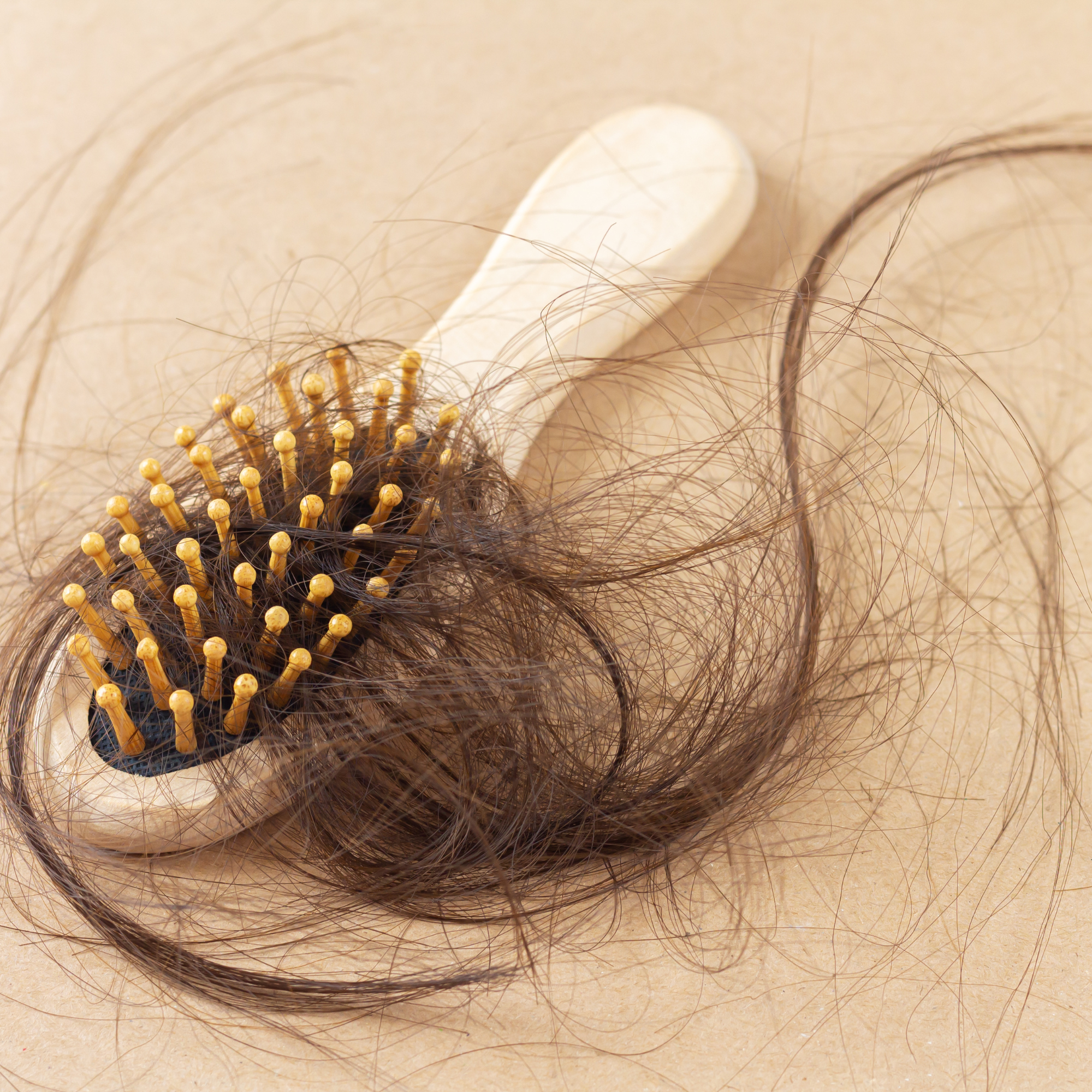
When you find more hair in your brush than usual, your first thought is usually the hair itself. In reality, however, hair loss often begins in the hair follicles of the scalp.
Every hair goes through a natural growth cycle consisting of a growth phase, a transitional phase, and a resting phase. Normally, hair falls out daily and is replaced by new hair. However, if this balance is disrupted, more hair may fall out than grows back.
Therefore, hair loss is usually not a standalone condition, but rather an indication that internal or external factors are influencing the natural hair cycle.
Causes and Connections
Hair loss is rarely caused by a single trigger. Often, multiple factors affect the hair follicles simultaneously.
1. Why Genes Influence the Sensitivity of Hair Roots
The most common form of hair loss is androgenetic alopecia. In this condition, the hair follicles are sensitive to certain hormonal signals, particularly dihydrotestosterone (DHT).
Interestingly, the hormone does not directly cause hair loss. Rather, it shortens the growth phase of the affected follicles. With each cycle, the hair becomes finer, shorter, and thinner, until eventually only barely visible hair remains. This process can develop over many years and often begins long before those affected notice the first changes.
2. How hormones control the hair cycle
Hair is sensitive to hormonal changes. This is particularly evident during life stages such as pregnancy, breastfeeding, or menopause.
During pregnancy, many hairs remain in the growth phase longer, which is why the hair often appears fuller. After childbirth, this condition returns to normal. As a result, many hairs simultaneously enter the resting phase and fall out a few months later. Although this often seems alarming, it is usually a temporary process.
Thyroid disorders or hormonal imbalances can also affect the hair cycle and lead to visible thinning.
3. Why stress can affect your hair
The link between stress and hair loss is often underestimated. Severe physical or psychological stress can cause an unusually large number of hair follicles to enter the resting phase at the same time.
What makes this unique is that hair loss often doesn’t occur until two to four months after the actual stressful event. Many people therefore don’t associate the two events. It is precisely this time lag that often makes stress-related hair loss difficult to recognize.
4. When the body lacks essential nutrients
Hair follicles are among the body’s most active cell structures. They require a continuous supply of nutrients for their growth.
If, for example, there is a lack of iron, zinc, protein, or certain vitamins, the body may prioritize its resources differently. In such situations, hair growth is often reduced to maintain vital processes. This explains why nutrient deficiencies often first become visible in the skin, nails, or hair.
Typical symptoms or signs
Hair loss does not always manifest in the same way. Its appearance depends heavily on the cause.
1. More hair than usual in the brush and shower
Many people first notice a larger amount of shed hair while washing or combing.
Occasional periods of slightly increased hair loss are usually not a cause for concern. However, if this condition persists for several weeks or intensifies progressively, it may indicate a change in Hair cycle.
2. When hair density slowly decreases
Not all hair loss immediately leads to visible bald spots. Often, hair density decreases first.
The ponytail appears thinner, the parting wider, or the scalp seems more visible in certain light. Especially in women, this form often develops gradually and therefore goes unnoticed for a long time.
3. Sudden bald spots
Circular, clearly defined bald areas may indicate a form of hair loss in which the immune system plays a role.
These changes often occur unexpectedly and within a short period of time. They should be evaluated by a doctor, as the treatment differs from other forms of hair loss.
4. Changes in hair structure
Sometimes it is not the amount of hair that is noticeable first, but its quality.
The hair appears finer, loses volume, or breaks more easily. Such changes may indicate that the hair follicles are producing less robust hair than before.
What helps in everyday life?
Not every cause of hair loss can be influenced. Nevertheless, there are some measures that can support the conditions for healthy hair growth.
1. Protect the scalp as the habitat of the hair follicles
Healthy hair starts with a healthy scalp. Harsh cleansing products, frequent heat styling, or strong mechanical stress can irritate the scalp.
Gentle care supports the skin’s natural balance and creates favorable conditions for the hair follicles.
2. Ensure an adequate supply of nutrients
Hair consists mainly of protein and requires numerous micronutrients for growth.
A varied diet with sufficient protein, iron, zinc, vitamin D, and B vitamins supports the processes necessary for new hair formation.
3. Reduce stress—not just for the mind
Stress affects numerous bodily systems—including the hair growth cycle.
Regular exercise, relaxation techniques, sufficient sleep, and intentional rest periods can help reduce the body’s stress load and promote overall well-being in the long term.
4. Patience as an important part of hair care
Hair grows slowly. Even if the underlying cause is successfully treated, it often takes several months for visible changes to occur.
This time lag is one of the most common misconceptions surrounding hair loss and frequently leads to treatments being discontinued too soon.
5. Take changes seriously early on
The sooner the cause is identified, the better one can assess which measures are appropriate.
Especially in cases of sudden hair loss, bald spots, or persistent thinning, a medical evaluation can help identify potential triggers.

Five practical measures can help support joint function and better manage osteoarthritis symptoms in the long term.
Natural Support and Medicinal Plants
Naturopathic methods have long been used in connection with hair, the scalp, and general well-being. The focus is less on individual hairs and more on the conditions necessary for healthy hair growth. The scientific evidence varies depending on the plant, which is why naturopathic applications are primarily considered complementary measures

Selected medicinal plants and natural substances traditionally used in naturopathy to help with hair loss.
- Arnica is traditionally valued in applications related to the skin and tissues. In naturopathy, it is frequently used in topical preparations for scalp care.
- Monk's pepper is traditionally used for conditions related to female hormonal balance. For this reason, the plant often plays a role in naturopathic approaches addressing hormone-related changes.
- Rosemary has been used for centuries in hair and scalp care. Its traditional use is primarily associated with stimulating treatments and supporting a healthy scalp.
- Stinging nettle is traditionally associated with metabolic and nutritional processes. Due to its natural mineral content, it is an integral part of many naturopathic approaches to skin and hair care.
- Horsetail is valued for its natural silicon content. In naturopathy, it is traditionally used in treatments that focus on connective tissue, nails, and hair.