

Why Our Mood Isn’t a Matter of Chance
Everyone goes through phases when the world seems a little grayer. Stressful events, conflicts, or prolonged stress can cause joy, motivation, and energy to temporarily wane. Often, one’s mood returns to normal on its own after some time.
However, it becomes problematic when this phase persists and a feeling of constant exhaustion, listlessness, or inner emptiness sets in. This is precisely where depressive mood begins. It is not a separate diagnosis like depression, but it can indicate that the body’s important regulatory mechanisms are under strain.
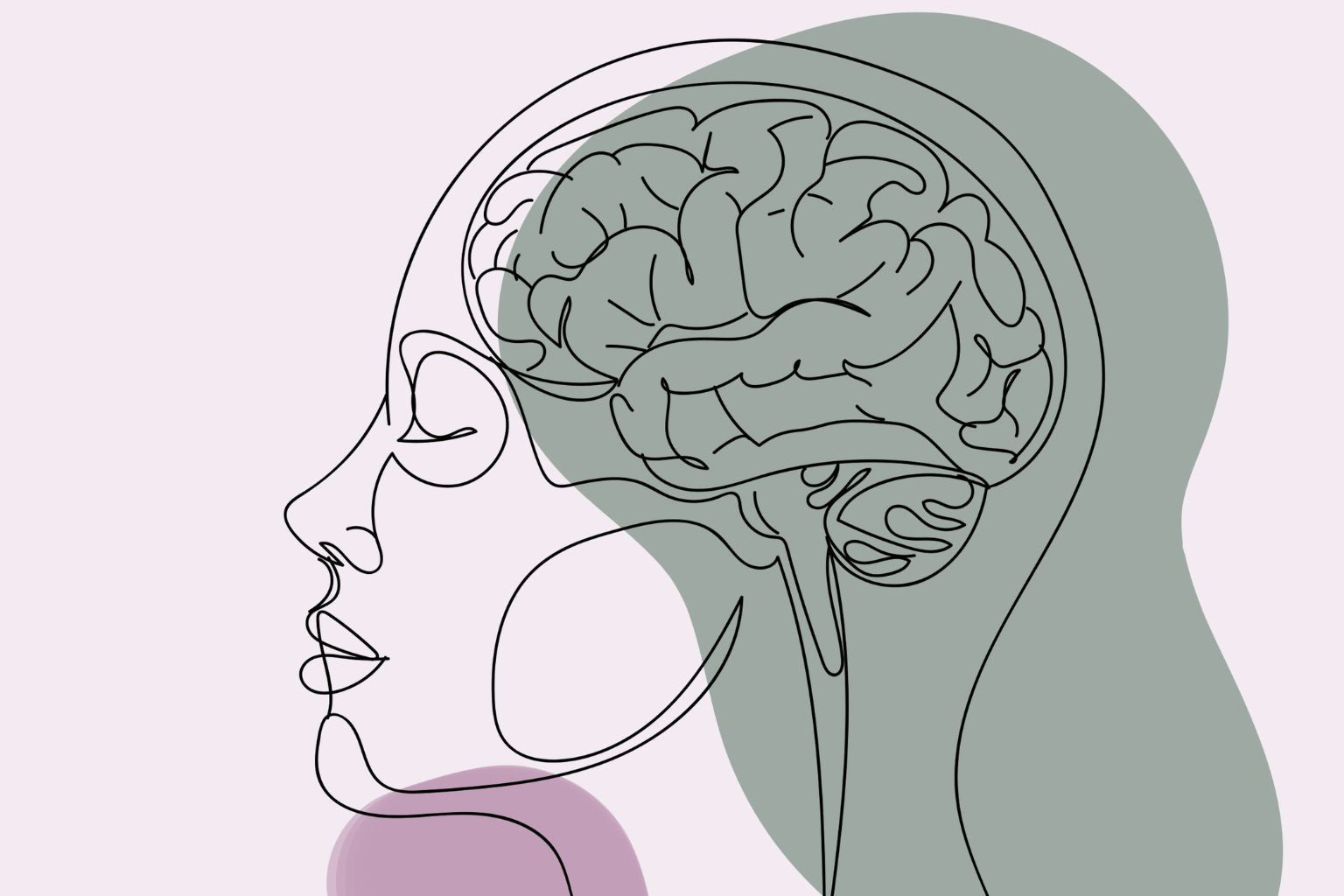
What many people don’t realize is that mood does not originate exclusively in the mind. It is influenced by a complex interplay of the nervous system, hormones, metabolic processes, and social influences. Anyone who wants to understand why a depressive mood arises must therefore look beyond the psyche.
Why the body and psyche work closely together
Emotional stress and physical processes influence one another. This creates connections that are often underestimated.
1. Stress alters the balance of key neurotransmitters
Our brain uses various neurotransmitters to regulate emotions, motivation, and energy. These include, among others, serotonin, dopamine, and norepinephrine.
Under chronic stress, the release of these neurotransmitters changes. At the same time, the production of cortisol—the most important stress hormone—increases. In the short term, this response helps the body cope with stress. However, if it persists for weeks or months, fatigue, restlessness, sleep problems, and a depressed mood may occur more frequently.
2. Lack of Sleep Affects Emotional Stability
Many people first notice the physical consequences of poor sleep. In fact, however, mental resilience also suffers.
During sleep, the brain processes emotional experiences and regulates numerous hormones. If this restorative phase is chronically lacking, many people become more sensitive to stress. At the same time, problems with concentration, irritability, and a lack of motivation may increase.
3. The gut-brain axis plays a greater role than previously thought
There is a direct communication link between the gut and the brain. Experts refer to this as the gut-brain axis.
Numerous neurotransmitters are produced in the gut that influence the nervous system. Changes in gut flora are therefore the subject of intensive research when it comes to mental well-being. While no simple causal relationships can be deduced from this, the findings show that physical and mental health are much more closely linked than previously assumed.
4. Nutrient intake influences the brain and nervous system
The brain requires a continuous supply of energy and micronutrients.
Various vitamins, minerals, and fatty acids are involved in processes that influence mood, concentration, and resilience. While a balanced diet is no substitute for treatment of mental health conditions, it can serve as an important foundation for overall well-being.
Typical signs of a depressive mood
A depressive mood often develops gradually. Symptoms can vary in severity and are not always recognized immediately.
1. Enjoyment of everyday activities decreases
Many people affected first notice that activities bring them less joy than they used to.
Hobbies, social interactions, or leisure activities lose their appeal. The joy often does not disappear completely, but rather seems subdued and less intense.
2. Lack of motivation becomes a constant companion
One of the most common changes is a feeling of low energy.
Tasks that used to come easily suddenly seem exhausting. Even small obligations can be a struggle to tackle. This sensation is often described as exhaustion, even though there is no unusual physical strain.
3. Concentration and cognitive function may decline
Psychological stress often affects mental performance.
Many people affected report that they have trouble concentrating, find their minds wandering more often, or have a harder time making decisions. These changes arise, among other things, from the close connection between stress, attention, and brain function.
4. Sleep problems reinforce the cycle
Sleep and mood influence each other.
Some people have trouble falling asleep, others wake up more frequently during the night, or feel unrested despite getting enough sleep. This creates a cycle in which sleep problems worsen mood, and the low mood, in turn, disrupts sleep.
What Can Help in Everyday Life
Not every approach works the same way for everyone. Nevertheless, there are some factors that have been proven to be linked to mental stability.
1. Regular exercise as a natural mood booster
Physical activity influences numerous processes in the brain.
Even regular walks or moderate endurance training can help reduce stress and promote general well-being. At the same time, sleep quality and resilience benefit from regular exercise.
2. Consciously making use of daylight
Light plays an important role in our biological rhythm.
Especially during the darker months, many people spend too little time outdoors. Daylight influences our internal clock and is closely linked to sleep, alertness, and mood.
3. Actively maintaining social connections
People are social beings.
Especially during stressful periods, there’s often a desire to withdraw. In the long term, however, supportive conversations, friendships, and social connection can serve as important protective factors for mental health.
4. Identify and reduce sources of
stress Stress cannot be completely avoided.
However, recognizing recurring sources of stress and consciously scheduling recovery periods can provide the nervous system with important opportunities for regeneration. Relaxation techniques, spending time in nature, or mindfulness exercises are often used to reduce inner tension.
5. Seek professional help early on
Not every depressive mood goes away on its own.
If symptoms persist over a longer period or worsen, professional support should be sought. Early intervention can help prevent further deterioration.
Depressive moods usually arise from a combination of various factors. Exercise, daylight, social support, and early intervention can be important resources in this regard.
Natural Support and Medicinal Plants for Your Immune System
Naturopathic methods have long been used to promote relaxation, sleep, and general well-being. They are not a substitute for medical treatment of depression but are often used as a complementary approach. The The scientific evidence varies significantly depending on the plant.

Many medicinal plants are traditionally used to naturally promote relaxation, inner balance, and general well-being.
- St. John’s Wort is traditionally used to treat low mood and is one of the best-known medicinal plants associated with emotional well-being. Due to potential interactions with medications, its use should be supervised by a healthcare professional.
- Hops are often used for inner restlessness and sleep problems. Their relevance to this topic stems from the fact that they play a key role, particularly in naturopathic approaches focused on relaxation and sleep quality.
- Passionflower is traditionally used to treat nervousness and tension. It is often valued when psychological stress is associated with inner restlessness.
- Caraway is primarily associated with digestion and bowel function. As the gut-brain axis is increasingly becoming the focus of research, caraway is also gaining attention in naturopathic approaches to general well-being.
- Vervain is traditionally used to treat exhaustion and periods of stress and therefore has a firm place in various naturopathic applications.
- Kava-kava is traditionally used to treat tension and anxiety. Due to potential risks and regulatory restrictions, its use should be evaluated with particular care.