

When Your Heart Skips a Beat During Menopause
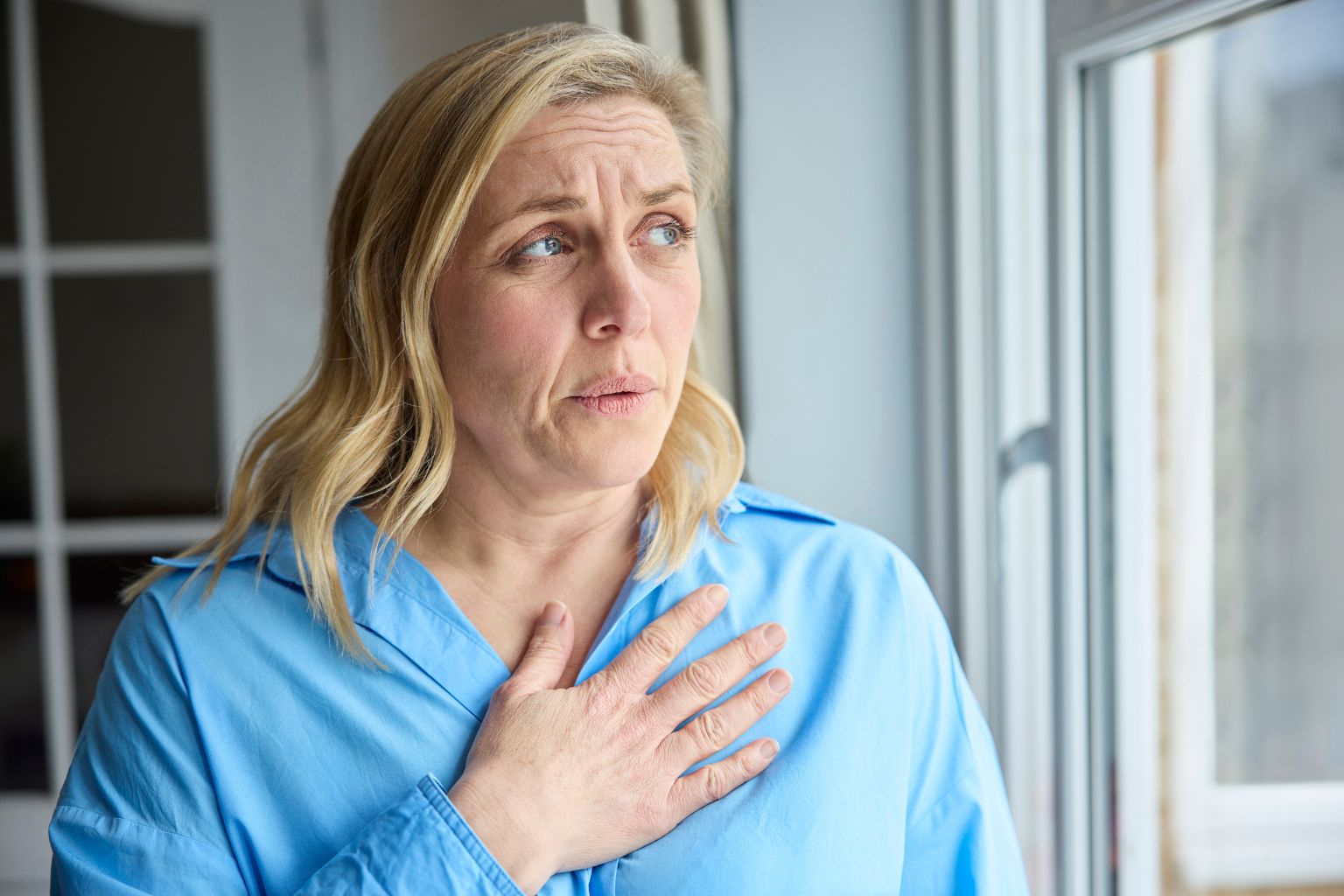
Sudden heart palpitations, a racing pulse, or an unexpected flutter in the chest: Nearly half of all women experience these symptoms during menopause. Doctors believe this is due to the profound hormonal changes that the body undergoes over several years.
In this blog post, you’ll learn exactly what happens during menopause, why your heart suddenly feels like it’s on a roller coaster, and how you can naturally strengthen it during this phase of physical change.
What Happens During Menopause?
Menopause is a natural stage of life during which a woman’s hormonal balance undergoes fundamental changes. The production of estrogen and progesterone gradually decreases, which can lead to various physical changes.
The three phases of menopause
- Premenopause
The phase leading up to menopause, usually lasting until around age 45. - Perimenopause
The transitional phase surrounding the last menstrual period. - Postmenopause
The period after menopause, during which the body adjusts to the new hormonal balance.
What symptoms can occur during menopause?
Not every woman experiences menopause the same way. While some notice hardly any changes, others suffer from a variety of symptoms. This is primarily due to declining estrogen levels.
An Overview of Common Symptoms
- Hot flashes and night sweats
- Sleep disturbances
- Restlessness
- Mood swings
- Weight gain
- Changes in menstrual cycle
- Increased risk of osteoporosis
- Increased risk of cardiovascular disease

Common symptoms of menopause
Heart palpitations during menopause: What causes them?
Heart palpitations are among the symptoms that particularly unsettle many women. The symptoms often occur suddenly and seem to arise without any apparent trigger.
1. What does a racing heart feel like?
Many women report:
- a sudden increase in heart rate
- a pounding heart that feels like it’s in their throat
- irregular heartbeat
- a feeling of pressure in the chest
- Heart palpitations during hot flashes
About 40% of all women experience these symptoms during menopause.
2. Why does this happen?
The main cause is hormonal changes.
3. Declining estrogen levels
Estrogen has a protective effect on the heart and blood vessels. During menopause, this protection gradually diminishes. As a result, the cardiovascular system and the autonomic nervous system become more sensitive.
4. Lifestyle as an Additional Factor
External factors can also exacerbate heart problems:
- Stress
- Lack of sleep
- Smoking
- Alcohol
- Lack of physical activity
- Excess weight
Here’s How You Can Strengthen Your Heart
There are several things you can do on your own to reduce heart palpitations, irregular heartbeats, and a racing heart, and to actively support your heart health during menopause. Even small changes in your daily routine can often have a big impact.
1. Healthy Diet
- Fresh foods instead of processed meals
Focus more on vegetables, fruits, nuts, and legumes. Avoid fast food and highly processed foods as much as possible - Less meat
Reduce your meat consumption. When you do eat meat, opt for high-quality organic products - Spices Instead of Salt
Too much salt can raise your blood pressure. Instead, season your dishes with fresh herbs and spices. - Minimize sugar
Replace soft drinks with water or unsweetened tea. You should only drink juices as spritzers and be more mindful about eating sweets—opt instead for the natural sugar found in fresh fruit
2. Actively Reduce Stress
Chronic stress triggers the release of hormones that make your heart beat faster. So make a conscious effort to take daily breaks:
- Get out into nature
A walk in the woods helps clear your mind and take deep breaths - Mindfulness in everyday life
Yoga, meditation, or a relaxing hobby are ideal for calming the nervous system
3. Stay physically active
Regular exercise keeps your metabolism going, strengthens your heart muscle, and, over the long term, leads to a lower, more relaxed resting heart rate. Plus, exercise reduces stress and releases “feel-good” hormones like serotonin and dopamine.
Tip: It doesn’t have to be competitive sports. Even moderate endurance training—such as brisk walking, cycling, or swimming—is good for your heart.

Natural Ways to Build a Strong Heart and Boost Well-Being
Harness the Power of Nature
Herbal remedies and essential minerals can naturally balance your heart rate and gently alleviate menopausal symptoms.

Natural medicinal plants to support hormones, nerves, and emotional well-being during menopause
- St. John’s Wort is traditionally used to support hormonal balance and relieve menopausal symptoms.
- St. John’s Wort is known for its mood-lifting and energy-boosting properties.
- Pomegranate is considered a natural aid for hormonal balance and well-being during menopause.
- Kava-kava is traditionally used to treat inner restlessness and tension and has a balancing effect.
- Common sage is often used to help relieve hot flashes and excessive sweating.