

Why the Kidneys Are Much More Than Just Filtration Organs
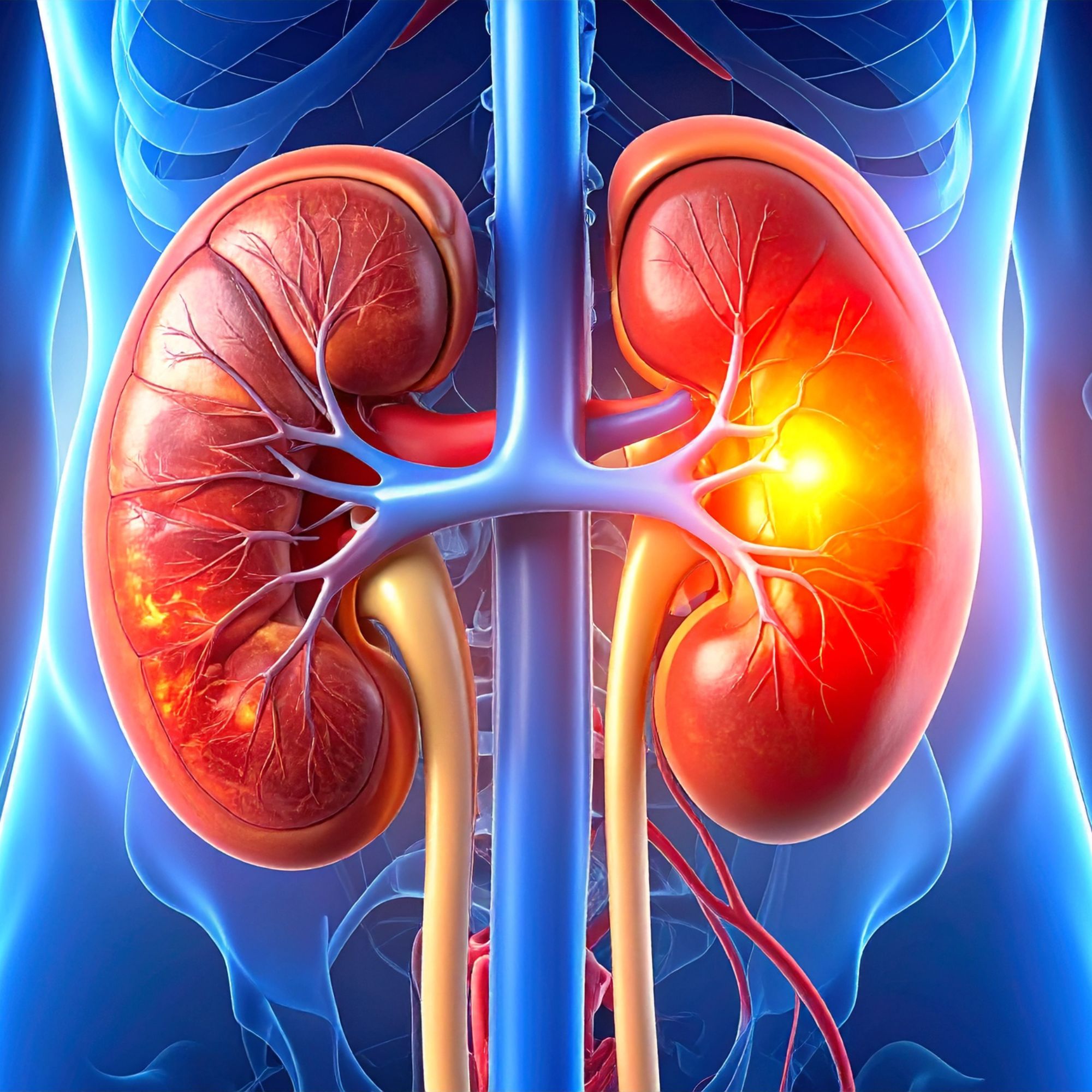
Many people associate the kidneys primarily with urine production. In fact, however, they are among the body’s most important control centers. Every day, they filter large volumes of blood, deciding which substances should be excreted and which should be retained in the body.
This isn’t just about waste products. The kidneys regulate fluid and electrolyte balance, influence blood pressure, and are involved in the production of important hormones. Even the activation of vitamin D depends in part on healthy kidney function.
Precisely because the kidneys have such large reserves, functional disorders often go unnoticed for a long time. It is often only when a significant portion of their function is lost that the first symptoms appear. This is exactly why early detection plays such an important role.
Causes and Connections
Kidney diseases rarely develop suddenly. In many cases, they develop over the course of years due to various risk factors.
1. High blood pressure strains the delicate kidney vessels
The kidneys consist of millions of small filtering units that rely on stable blood flow.
If blood pressure remains elevated over a long period, the pressure on the delicate vessels within the kidneys increases. This can damage the filtering structures, causing them to gradually lose their function.
A particular problem is that high blood pressure itself often causes no symptoms for a long time and therefore frequently goes unnoticed.
2. Diabetes alters the filtering function of the kidneys
Elevated blood sugar levels can affect the fine blood vessels throughout the body—including in the kidneys.
This makes the filter membranes more permeable, and they gradually lose their ability to clean the blood efficiently. Diabetes is therefore one of the most common causes of chronic kidney disease worldwide.
Many people affected only notice the changes once significant portions of kidney function have already been impaired.
3. Medications and toxins can strain the kidneys
The kidneys are responsible for excreting numerous metabolic byproducts and medications.
Taking certain painkillers regularly over a long period of time can put additional strain on the kidneys. Smoking, excessive alcohol consumption, or other toxins can also impair the delicate filtering structures over the long term.
4. Genetics and infections also play a role
Not all kidney diseases are caused by lifestyle factors. Some people have a genetic predisposition to certain kidney diseases.
Recurrent urinary tract or kidney infections can also damage the tissue and impair function over the long term.

High blood pressure, diabetes, certain medications, and genetic factors are among the most significant factors that can impair kidney function over the long term.
Typical symptoms or signs
One of the biggest challenges with kidney disease is that symptoms often don’t appear until the disease is advanced.
1. Changes in urination can provide early clues
The kidneys control the volume and composition of urine.
If the amount of urine changes significantly or if the need to urinate at night suddenly becomes more frequent, this may indicate changes in kidney function. Foamy urine should also be evaluated by a doctor.
2. Swelling results from impaired fluid regulation
If the kidneys can no longer adequately eliminate excess fluid, water accumulates in the tissues.
Typical consequences include swelling in the feet, ankles, hands, or face. This swelling, known as edema, is one of the most common visible signs of impaired kidney function.
3. Fatigue may be related to kidney function
Healthy kidneys produce, among other things, erythropoietin—a hormone needed for the formation of red blood cells.
If kidney function declines, the production of this hormone may also be impaired. This can result in exhaustion, difficulty concentrating, and reduced performance.
4. High blood pressure and kidney damage influence each other
Many people are unaware that the kidneys and blood pressure are closely linked.
Kidney damage can raise blood pressure, while persistently high blood pressure, in turn, places further strain on the kidneys. This creates a vicious cycle that can accelerate the progression of the disease.
What helps in everyday life?
It is not possible to completely protect the kidneys from all diseases. Nevertheless, there are some measures that can support their health in the long term.
1. Drinking enough fluids supports natural excretion
Adequate fluid intake helps the body excrete metabolic waste products through urine.
For most people, about 1.5 to 2 liters of water daily is considered a reasonable guideline. However, individual needs may vary.
2. Keep an eye on blood pressure and blood sugar
Since high blood pressure and diabetes are among the most important risk factors, regular monitoring is worthwhile.
Changes detected early can often be treated much more effectively than damage that has already progressed.
3. Consciously reduce salt intake
A diet very high in salt can affect blood pressure regulation and place additional strain on the kidneys.
Highly processed foods, in particular, often contain significantly more salt than expected.
4. Regular exercise supports vascular health
Physical activity improves blood circulation and can help positively influence key risk factors such as obesity or high blood pressure.
Even regular walks or moderate endurance training can make a valuable contribution.
5. Take preventive screenings seriously
Since early kidney damage often causes no symptoms, blood and urine tests can provide important clues
. People with diabetes, high blood pressure, or a family history of kidney disease benefit particularly from regular checkups.

Adequate fluid intake, well-controlled blood pressure, regular exercise, and preventive checkups can help reduce the long-term strain on the kidneys and support their function.
Natural Support and Medicinal Plants
In naturopathy, various medicinal plants are traditionally used in connection with the urinary tract, fluid balance, and excretory processes. They are not a substitute for medical treatment but can be part of holistic health approaches.

Horsetail, meadowsweet, cat’s whiskers, and white birch are traditionally used in naturopathy in connection with the urinary tract, excretory processes, and supporting kidney function used.
- Horsetail Horsetail is traditionally used for conditions related to the urinary tract and fluid balance. For this reason, it is frequently found in naturopathic approaches to support excretory function.
- Meadowsweet Meadowsweet has long been valued in herbal medicine and is traditionally associated with excretory and metabolic processes.
- Cat's whiskers Cat's whiskers is frequently used in naturopathic approaches that focus on the urinary tract and fluid regulation.
- Silver birch Silver birch is traditionally used in treatments related to the kidneys and urinary tract and has a long history in European herbal medicine.