


When Sexual Desire Becomes a Reflection of Overall Well-Being
Many people assume that sexual desire is either present or absent. In reality, libido is far more complex. It changes over the course of a lifetime, responds to stress, and often reflects the overall state of the body and mind.
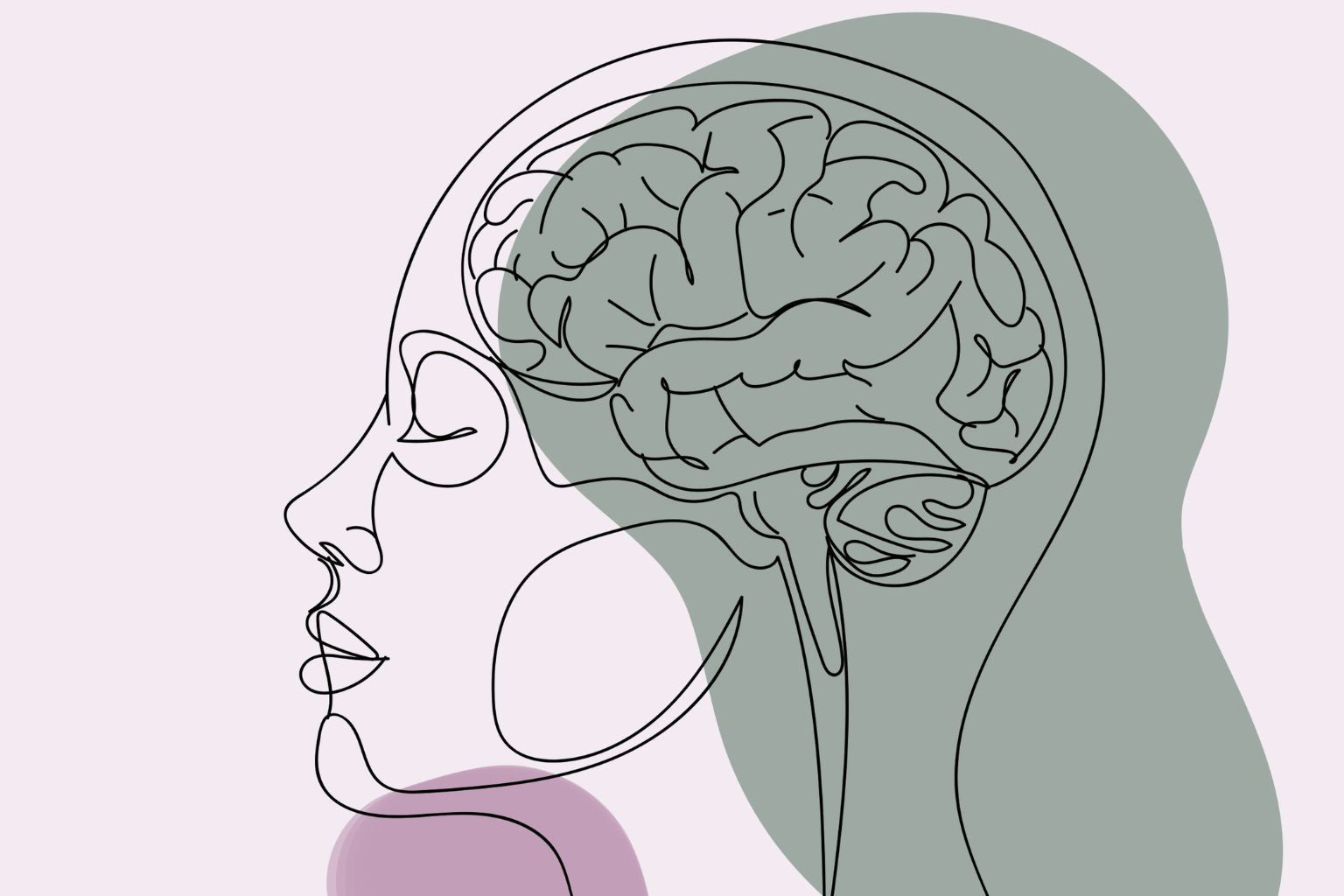
One important point is often overlooked: libido does not arise exclusively in the sexual organs or through physical attraction. It begins in the brain. There, emotional stimuli, memories, hormonal signals, and physical sensations are interconnected. It is only through this interplay that sexual desire arises.
Therefore, a decline in libido is often not an isolated problem but can be an indication that other areas of the body or one’s life situation have become unbalanced. It is precisely this connection that makes the topic so multifaceted.

Libido arises from the interaction between the body and the mind. Changes in one area can affect sexual desire.
Typical signs of decreased sexual desire
A loss of libido does not manifest the same way in everyone. However, some changes occur particularly frequently.
1. Sexual thoughts and fantasies become less frequent
Many affected individuals initially report that sexual thoughts occur significantly less often.
While spontaneous fantasies or feelings of desire used to arise, this inner impulse seems to gradually disappear. Often, this change is only noticed in retrospect.
2. Interest in intimacy decreases
A reduced sex drive does not always affect sexual intercourse alone.
Often, the need for physical closeness, tenderness, or erotic tension also diminishes. The cause often lies in the fact that emotional and physical arousal is generally lower overall.
3. Arousal builds more slowly or occurs less frequently
Some people still feel sexual interest in principle, but react less strongly to stimuli.
Arousal builds up more slowly or fails to occur, even though an emotional connection is generally present. Such changes can have both physical and hormonal causes.
4. The change is experienced as distressing
Not every phase with low desire is automatically problematic.
The situation usually becomes relevant when it causes psychological distress. This can affect one’s self-esteem, strain the relationship, or lead to insecurity. It is precisely this subjective stress factor that also plays an important role in medical assessment.
What can help in everyday life
Libido cannot be forced. Nevertheless, there are various factors that can positively influence sexual well-being.
1. Consciously reduce stress
Relaxation is not a luxury, but an important prerequisite for sexual desire.
Regular breaks, exercise, spending time in nature, or relaxation techniques can help take the nervous system out of chronic stress mode.
2. Use exercise as a natural energizer
Physical activity improves blood circulation, supports hormonal balance, and has a positive effect on overall well-being.
In addition, exercise often boosts body confidence and self-esteem—two factors closely linked to libido.
3. Take sleep quality seriously
Adequate and restful sleep is one of the most important foundations for physical and mental health.
Those who consistently sleep poorly often benefit from even small changes in sleep hygiene and consistent bedtimes.
4. Talk openly about needs
In relationships, sexual desires are often discussed less than many other topics.
That is precisely why open communication can help reduce misunderstandings and foster a new sense of closeness. This alone often brings a noticeable sense of relief.
5. Have physical causes checked
Persistent changes should not be viewed solely as a psychological problem.
Hormonal changes, thyroid disorders, nutrient deficiencies, or medication side effects can also play a role. A medical evaluation can help better identify possible causes.
Natural support and medicinal plants
Naturopathic methods have long been used to support hormonal balance, relaxation, and general well-being. They are not a substitute for medical treatment but are often used as a complementary approach. The scientific evidence varies significantly depending on the plant. The selection is based on the naturopathic approaches mentioned in the original article.

Traditional medicinal plants have long been used to naturally support hormonal balance, inner peace, and general well-being.
- Damask rose is traditionally associated with femininity, emotional well-being, and sensory perception. For this reason, it is frequently found in naturopathic approaches focused on self-care and inner balance.
- Yam is traditionally used to address hormonal changes. Its relevance to this topic stems primarily from its role in naturopathic approaches to hormonal transition phases.
- Lemon balm is frequently used for inner restlessness and stress. Since psychological stress is one of the most common factors affecting libido, it plays a supportive role in many naturopathic approaches.
- Rosemary is traditionally valued when vitality, circulation, and activity are the focus. As a result, it is often found in formulations designed to support general well-being.
- Shatavari has a long history in the Ayurvedic tradition and is frequently used there in connection with female balance and hormonal changes.