

When Your Bowels Go on Strike—When Is It Considered Constipation?
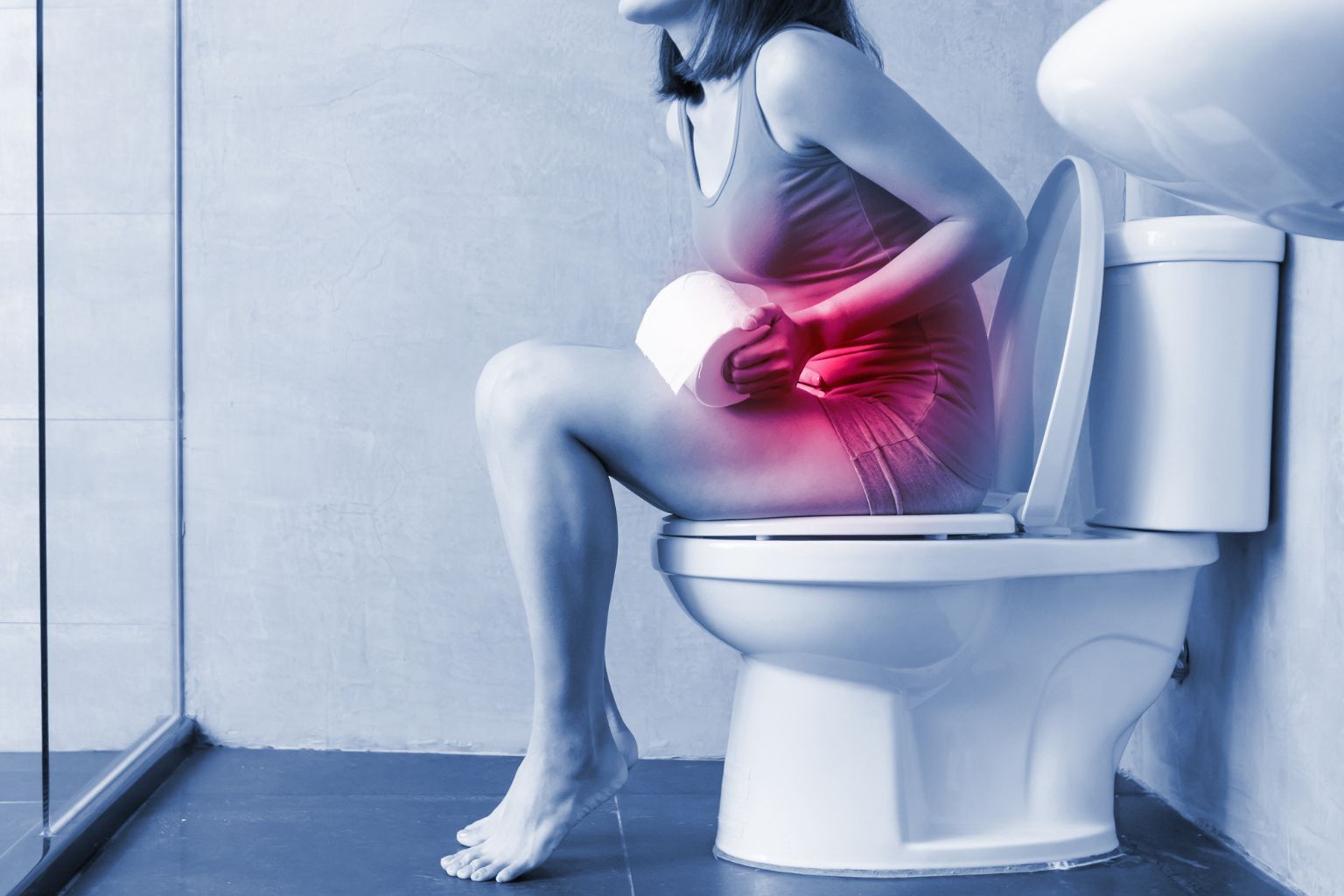
You’re sitting on the toilet, but nothing is happening. Instead of relief, you feel pressure, bloating, and an unpleasant sensation of fullness. Many people have had days like this—yet constipation is rarely discussed. In fact, it’s one of the most common digestive problems of all. The causes are often harmless and can be effectively addressed with small changes in your daily routine. Sometimes, however, medications or certain medical conditions may be to blame. The good news: In many cases, you can get your bowels moving again naturally. But before we get into possible solutions, it’s worth taking a look at what actually constitutes constipation.
1. What exactly counts as constipation?
Not everyone needs to have a bowel movement every day. While some people go to the bathroom two to three times a day, others only need to go once every two to three days—both can be completely normal. Experts generally diagnose constipation (obstipation) when at least two of the following symptoms occur over an extended period:
- fewer than three bowel movements per week
- hard or lumpy stools
- excessive straining during a bowel movement
- the feeling of not being able to completely empty the bowels
- a feeling of a blockage in the rectum
What matters, therefore, is not just the frequency of bowel movements, but above all whether symptoms are present and whether digestion has changed compared to your personal normal state.
2. Do you actually have to have a bowel movement every day?
This assumption persists—but it’s not true. How often the bowels are emptied varies from person to person and depends, among other things, on diet, fluid intake, and individual metabolism. As long as bowel movements occur regularly and do not cause any symptoms, there is usually no cause for concern. Only when digestion changes significantly or symptoms such as pain, straining, or a persistent feeling of fullness occur should you take a closer look.
3. Typical Symptoms of Constipation
Constipation doesn’t just mean going to the bathroom less often. Many people affected report symptoms that can interfere with their daily lives. These include, among others:
- Feeling of fullness
- Bloating
- Hard or dry stools
- Pain during bowel movements
- Intense straining
- the feeling of incomplete bowel emptying
In cases of severe or prolonged constipation, abdominal pain, nausea, or general discomfort may also occur.
4. When Is There More to It?
Occasional constipation is usually harmless and resolves on its own after a few days. However, if symptoms persist for an extended period or recur frequently, the underlying cause should be investigated more closely. In addition to diet and lifestyle, medications, metabolic disorders such as diabetes or hypothyroidism, and intestinal disorders may also play a role. Therefore, it is important not to treat persistent symptoms with laxatives on a long-term basis, but rather to have the cause evaluated by a doctor.

Typical Signs of Constipation
Why does constipation occur in the first place?
When the bowels become sluggish, it is not always due to an underlying medical condition. Often, it is everyday habits that slow down digestion. Even small changes—such as in diet, fluid intake, or physical activity—can cause stool to move more slowly through the intestines and become harder. Sometimes external factors like travel or stress also play a role. In other cases, medications or certain medical conditions can affect bowel function. That’s why it’s worth knowing the possible triggers.
1. Your Bowels Need Exercise—and So Do You
Our intestines are constantly at work. Through rhythmic muscle movements—known as intestinal peristalsis—the chyme is transported step by step. If you don’t get enough exercise, this intestinal movement can also slow down. That doesn’t mean that every quiet day automatically leads to constipation. Over time, however, a lack of exercise can cause stool to remain in the intestines longer. As it stays there, more and more water is drawn out of it—it becomes firmer, and it’s harder to pass. Even regular walks, biking, or other light physical activities can support natural bowel movements.
2. Without Enough Fluids, Stool Becomes Hard
To keep stool soft and allow it to move easily through the intestines, the body needs enough fluids. If you don’t drink enough, the large intestine draws more and more water from the stool. This makes it dry, hard, and difficult to pass. The general recommendation is 1.5 to 2 liters of water or unsweetened beverages per day—and more during hot weather or physical activity. Adequate fluid intake plays a particularly important role, especially when combined with a high-fiber diet.
3. Travel, Stress, and Changes Often Disrupt Bowel Function
Many people are familiar with this phenomenon: as soon as vacation begins, bowel movements suddenly stop. A change in daily routine, unfamiliar foods, time zone changes, or unfamiliar restrooms can cause the gut to function a bit more sluggishly at first. In most cases, this is a temporary adjustment that resolves on its own after a few days. Persistent stress can also affect digestion. The brain and gut are in constant communication via the gut-brain axis. If the body is under prolonged stress, this can also affect bowel movements.
4. Medications and medical conditions can also play a role
Constipation isn’t always due solely to lifestyle factors. Certain medications can also slow down bowel activity. These include, among others, some pain relievers, iron supplements, and certain antidepressants. In addition, various medical conditions can be associated with constipation. These include, for example, hypothyroidism, diabetes mellitus, or neurological disorders. If constipation occurs suddenly, persists for an extended period, or worsens despite changes in your daily routine, you should consult a doctor to determine the cause.
How to Get Your Bowels Moving Again
The good news: In many cases, constipation can be improved simply by making small changes to your daily routine. Often, it’s not elaborate digestive treatments or medications, but rather small lifestyle changes that make all the difference. It’s important to be patient. Your digestive system doesn’t always respond immediately to changes. Give it a few days to adjust to your new habits.
1. Fiber gets your digestion moving
Fiber is one of the most important components of a digestion-friendly diet. Since it isn’t completely digested in the small intestine, it reaches the large intestine, where it binds water and increases stool volume. This stimulates natural bowel movements and keeps stools softer. Foods that are particularly high in fiber include:
- Whole-grain bread and whole-grain pasta
- Oatmeal
- Vegetables and salads
- Fruit
- Legumes
- Nuts and seeds
Flaxseeds and psyllium husks have also proven effective for constipation. They swell in the intestines and can thus support natural bowel movements.
Important: To allow these bulking agents to work effectively, you should always drink enough fluids. Otherwise, they may actually worsen your symptoms.
2. Drinking enough fluids keeps stools soft
In addition to fiber, fluid intake also plays a crucial role. If the body doesn’t get enough fluids, the large intestine draws more and more water from the stool. This makes it hard and more difficult to pass. It’s recommended to drink about 1.5 to 2 liters of water or unsweetened beverages daily. If you exercise or sweat a lot on hot days, you’ll need to drink even more. Many people also report that a glass of warm water in the morning on an empty stomach can stimulate digestion. While this effect has only been studied to a limited extent scientifically, it may be worth a try as a simple home remedy.
3. Exercise Also Keeps the Bowels Moving
Our gut benefits from regular physical activity. Even moderate exercise can stimulate bowel activity and help move intestinal contents along. You don’t have to engage in competitive sports to achieve this. Often, the following is enough:
- a daily walk
- cycling
- light jogging
- yoga or gentle stretching exercises
A gentle clockwise abdominal massage can also be a pleasant way to support this process. While it’s not a substitute for medical treatment, it can help further stimulate bowel movement.
4. These home remedies and medicinal plants can help
In addition to a balanced diet, there are several tried-and-true home remedies that many people find helpful. These include, for example:
- soaked prunes
- sauerkraut juice
- flaxseed
- psyllium husks
- a glass of warm water in the morning
Not every home remedy works the same way for everyone. It may therefore take some time to figure out what works best for your body. Medicinal plants are also traditionally used to aid digestion. Some of the best-known ones are:
- Fennel – traditionally used for bloating and a feeling of fullness.
- Caraway – can aid digestion and is often combined with fennel.
- Anise – is traditionally used to relieve bloating.
- Chamomile – is valued for its soothing properties and can help support the gastrointestinal tract.
While medicinal plants are no substitute for a balanced diet or sufficient exercise, they can be a useful complement to these measures.
5. Listen to Your Body’s Natural Urge to Have a Bowel Movement
Many people ignore the urge to have a bowel movement because they’re working, on the go, or can’t find a suitable restroom. If going to the bathroom is regularly delayed, stool remains in the intestines longer. There, more and more water is drawn out of it, causing it to become firmer and making it harder to pass later on. Therefore, try not to suppress the natural urge to have a bowel movement whenever possible and—if feasible—develop a regular bathroom routine, such as in the morning after breakfast. At the same time, keep in mind: If a bowel movement doesn’t occur, you shouldn’t sit on the toilet for an extended period or strain excessively. If it doesn’t happen after a few minutes, it’s usually better to try again later.

What Naturally Stimulates the Bowels
What to Do If Home Remedies Aren’t Enough?
Constipation symptoms can’t always be resolved through dietary changes or increased physical activity alone. If the symptoms persist or occur regularly, medication may be appropriate in certain cases. However, it’s important to note that laxatives shouldn’t be used to mask the underlying cause of constipation in the long term. They can provide short-term relief but are no substitute for long-term treatment if, for example, an underlying medical condition or certain medications are causing the symptoms.
1. Not all laxatives work the same way
There are various types of laxatives that work in different ways. Osmotic laxatives, such as those containing the active ingredient macrogol, draw water into the intestines. This softens the stool and makes it easier to pass. They are often considered the first-line treatment for chronic constipation. There are also stimulant laxatives, such as those containing the active ingredient bisacodyl. These directly stimulate bowel movements and can be particularly helpful for short-term symptoms. Which product is appropriate depends on the cause of the constipation and the individual’s specific situation. That’s why it’s worth consulting a pharmacist or doctor.
2. Can laxatives be habit-forming?
Many people worry that the intestines will “get used to” laxatives. In fact, stimulant laxatives can be problematic if used improperly or over the long term. Therefore, they should only be taken according to the package insert or a doctor’s recommendation. However, for certain chronic conditions, laxatives may be necessary over a longer period of time. In these cases, treatment should be supervised by a doctor. As a general rule: If constipation recurs frequently, it makes more sense to identify the underlying cause than to treat the symptoms with medication indefinitely.
When You Should Seek Medical Advice for Constipation
Occasional constipation is usually harmless and often improves simply by making changes to your daily routine. However, there are situations in which medical advice is important.
1. You should take these warning signs seriously
See a doctor as soon as possible if, in addition to constipation, you experience one or more of the following symptoms:
- Blood in the stool
- Severe or sudden abdominal pain
- Persistent nausea or vomiting
- unintentional weight loss
- Fever
- Sudden constipation with no apparent cause
- Constipation that persists for several weeks despite self-care measures
These symptoms do not necessarily indicate a serious illness, but they should be evaluated.
2. What tests may be necessary?
First, the doctor will ask detailed questions about your symptoms, diet, medications, and any pre-existing conditions. This is usually followed by a physical examination. Depending on the situation, blood tests may also be helpful to rule out conditions such as metabolic disorders or electrolyte imbalances. If a bowel disorder is suspected, further tests—such as a colonoscopy or specialized functional tests—may be necessary. The good news, however, is that constipation is rarely caused by a serious illness. In many cases, symptoms can be significantly improved simply by making lifestyle changes.

When to See a Doctor?