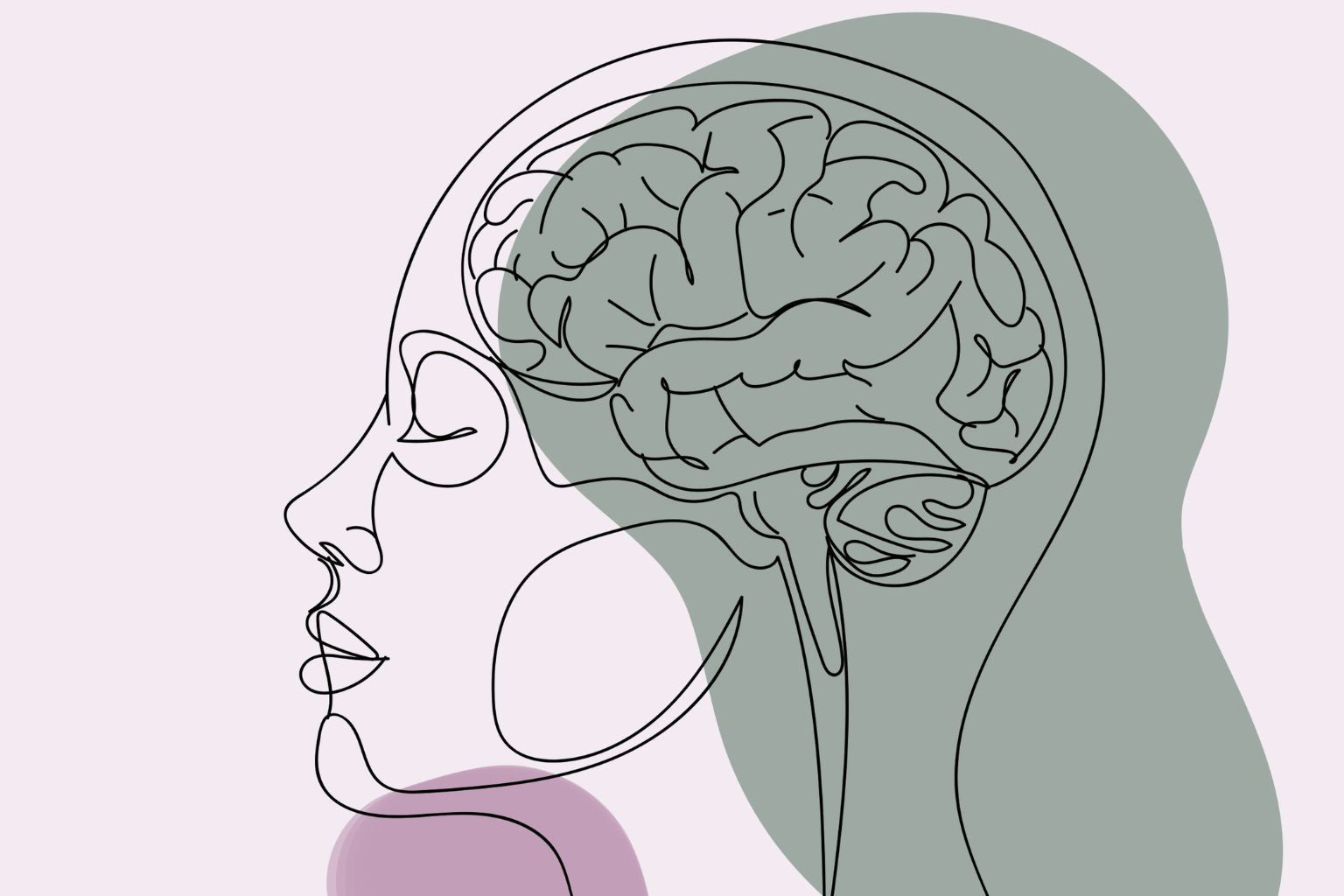


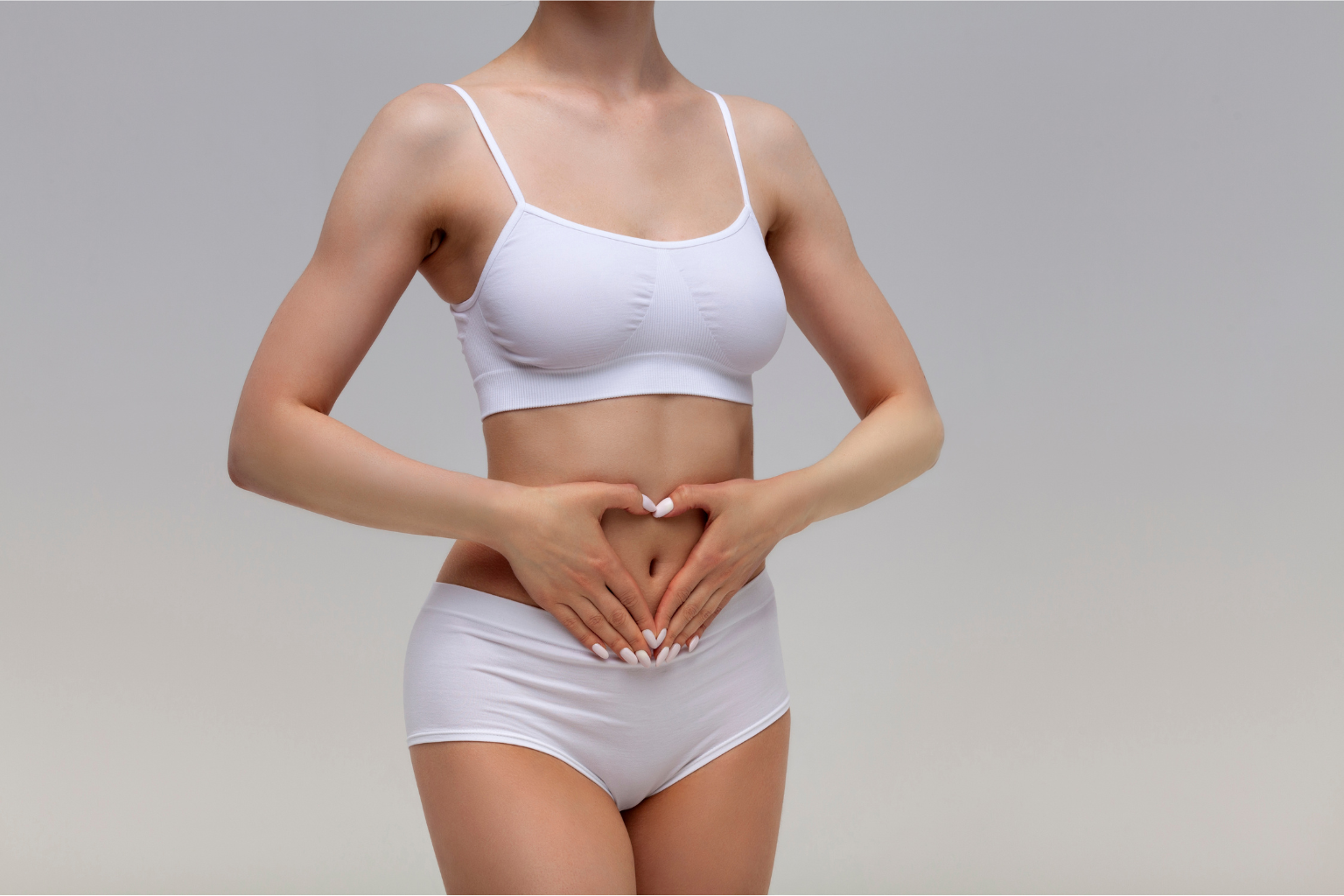
Why Menstrual Symptoms Occur
Many women are familiar with them: lower abdominal pain, fatigue, or mood swings around the time of their period. While some experience hardly any symptoms, others regularly suffer from physical or emotional distress during their cycle.
Typical symptoms often occur shortly before or during menstruation. These include, among other things, cramping in the lower abdomen, back pain, headaches, exhaustion, or skin breakouts. Irritability, emotional sensitivity, or a general feeling of unease are also not uncommon during this time.
Menstrual cramps are often linked to natural hormonal processes in the body. During menstruation, the body releases substances called prostaglandins—messenger substances that trigger contractions of the uterus. If these contractions are particularly strong, pain and cramps can result.
Primary & Secondary Dysmenorrhea Explained Simply
Generally, a distinction is made between two forms of menstrual cramps:
1. Primary Dysmenorrhea
This refers to menstrual cramps without an organic cause. The symptoms result from natural hormonal processes in the body and often begin as early as the first period. Typical symptoms include cramp-like lower abdominal pain during menstruation.
2. Secondary Dysmenorrhea
This form is caused by other physical factors or medical conditions. These include, for example, endometriosis, inflammation, or hormonal changes. Certain contraceptives, such as an IUD or a copper IUD, can also exacerbate symptoms.
If menstrual pain suddenly becomes more severe or occurs for the first time, the cause should be evaluated by a doctor.

Primary and Secondary Dysmenorrhea at a Glance: While primary menstrual cramps are usually hormone-related, secondary symptoms can be triggered by medical conditions or external factors.
Tips for Natural Relief from Menstrual Cramps
Many women experience their periods differently—and the associated symptoms can be just as individual. The following tips can help naturally support your body and well-being during your cycle.
1. Heat and Relaxation
Heat can help loosen cramped muscles and relieve lower abdominal pain. A hot water bottle, a warm bath, or a grain pillow often have a soothing and relaxing effect.
2. Movement & Gentle Exercise
Even though rest can sometimes be beneficial, light exercise can help reduce discomfort. Walks, yoga, or gentle stretching exercises promote blood circulation and support overall well-being.
3. Get Enough Sleep
Restful sleep supports the body’s recovery and helps reduce stress. At the same time, important hormonal processes are regulated during the night.
4. Relaxation Instead of Pressure
Not every day during your period has to be productive. Listen to your body and consciously allow yourself rest periods when you need them.
5. Stay Hydrated Drinking plenty of
water and unsweetened teas can help support your body and reduce water retention to reduce.
6. Pay attention to your diet
Foods rich in magnesium, iron, and omega-3 fatty acids can support the body during menstruation. Whole-grain products, nuts, seeds, and green vegetables are particularly good choices.
7. Avoid alcohol and nicotine
Alcohol and cigarettes can put additional strain on the body and exacerbate symptoms. It can be helpful to consciously avoid them during menstruation.
8. Use medicinal plants selectively
Naturopathy also offers various options for support during the menstrual cycle. Medicinal plants such as chasteberry, lemon balm, and lady’s mantle are traditionally used to help manage menstrual symptoms.
Nutrition During Your Period: These Foods Can Help
Diet can also influence your well-being during menstruation. Certain nutrients provide particular support to the body during this time and can help reduce symptoms such as fatigue, cramps, or water retention.
1. Magnesium-rich foods
Magnesium supports the normal function of the nervous system and helps reduce fatigue and exhaustion.
2. Iron-rich foods
The body loses iron through menstrual bleeding. Foods such as sesame seeds, legumes, and green vegetables are particularly good sources.
3. Omega-3 & healthy fats
Avocados, nuts, and fatty fish are associated with anti-inflammatory properties.
4. Stay hydrated
Water and herbal teas can help keep the body in balance.
5. Whole grains instead of sugar
Complex carbohydrates often keep you feeling full longer and help maintain more stable blood sugar levels.
These medicinal plants can naturally support your cycle
During your period, your body undergoes natural changes—and many women experience symptoms such as abdominal pain, fatigue, or mood swings during this time. Certain medicinal plants are traditionally used to naturally support the female cycle and overall well-being.

Discover Zimply Natural’s medicinal plants for greater inner balance, mental strength, and support during your period.
- Chasteberry is traditionally used to support hormonal balance and relieve PMS-related symptoms.
- Hemp seeds contain valuable omega-3 fatty acids and can support the body throughout the menstrual cycle.
- True chamomile is known for its soothing properties and is traditionally used to relieve abdominal discomfort.
- Hops can have a relaxing effect and are often used to treat inner restlessness or sleep problems.
- Rosemary is traditionally used to promote blood circulation and may help with cramp-like symptoms.