


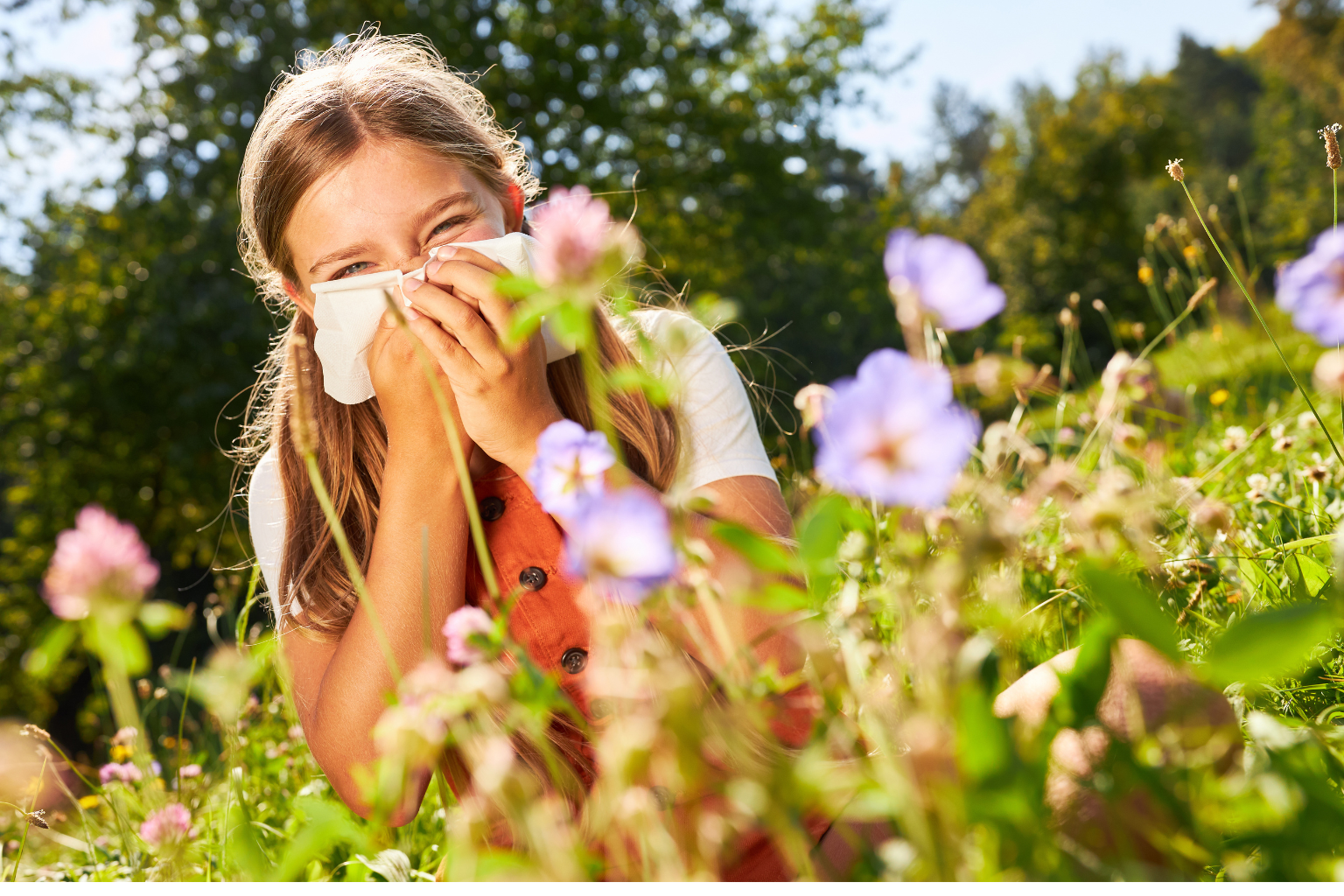
What exactly is hay fever?
Hay fever—also known as pollen allergy—is an allergic reaction of the immune system to pollen from trees, grasses, or other plants. In this process, the body misidentifies otherwise harmless environmental substances as a threat and responds with an excessive immune reaction.
Pollen from birch trees, grasses, or hazel trees is particularly likely to trigger symptoms. When pollen comes into contact with the mucous membranes of the nose or eyes, it can lead to typical symptoms such as sneezing, watery eyes, itching, or a runny nose.
Since the pollen season is starting earlier and earlier due to mild winters and climate change—and sometimes extends into the fall—more and more people are now suffering from hay fever.
Why More and More People Are Suffering from Pollen Allergies
More and more people develop allergies over the course of their lives—pollen allergies, in particular, are among the most common allergic conditions today. Various factors may be responsible for this.
1. Climate Change & a Longer Pollen Season
Milder winters and rising temperatures cause plants to bloom earlier and extend the pollen season.
2. Environmental pollution
Air pollution and other environmental factors can further irritate the mucous membranes and strain the immune system.
3. Stress & Lifestyle
Stress, lack of sleep, or an unbalanced lifestyle can also affect the immune system and contribute to allergic reactions.
4. Family History
People with a family history of allergies often have a higher risk of developing a pollen allergy themselves.

How the body reacts to hay fever: When pollen enters the body through the respiratory tract, the immune system responds with an allergic defense reaction and typical symptoms such as sneezing or watery eyes.
How does an allergy develop?
An allergy develops when the immune system mistakenly identifies otherwise harmless substances—such as pollen, animal dander, or house dust—as a threat. The body responds with an excessive defensive reaction.
1. Sensitization
Upon first contact with an allergen, the body produces antibodies. Usually, no symptoms develop at this stage.
2. Allergic reaction
Upon subsequent contact, the immune system recognizes the substances again and releases mediators such as histamine. This causes typical symptoms like sneezing, watery eyes, or a runny nose.
Typical symptoms of hay fever
The symptoms of hay fever can vary in severity and usually occur seasonally during the pollen season.
1. Sneezing & runny nose
Many people suffer from frequent sneezing or a constantly runny nose.
2. Itchy & watery eyes
The eyes often become irritated, red, or start to water.
3. Stuffy nose
Swollen mucous membranes can make breathing difficult.
4. Fatigue & headaches
Due to the constant strain, many people feel tired or run down.
5. Sleep problems
Especially at night, symptoms can lead to restless sleep.
6. Tips for pollen season
During pollen season, small changes in daily life can help reduce exposure to pollen and support your well-being.
7. Don’t dry laundry outdoors
Pollen can settle into clothing and bedding when exposed to fresh air.
8. Ventilate properly
Best after rain or ventilate during periods of lower pollen counts so that less pollen enters your home.
9. Wash your hair in the evening
This keeps less pollen out of your bed and helps you sleep more soundly.
10. Check pollen forecasts
Pollen forecasts help you better anticipate high-pollen periods.
11. Vacuum and mop regularly
This helps reduce pollen in your home.
These medicinal plants can provide natural relief for hay fever
The pollen season can be a real burden for many people. Sneezing, watery eyes, or a stuffy nose are often part of everyday life in the spring for allergy sufferers. Certain medicinal plants are traditionally used to naturally support the respiratory tract and overall well-being during pollen season. We’ve compiled a list of the most popular plants and their traditional uses for you here.

Discover the medicinal plants from Zimply Natural that can help you during pollen season.
- Onion has anti-inflammatory properties and supports the mucous membranes can strengthen the immune system and alleviate allergic reactions.
- American nard (Elderberry) - is traditionally used to support respiratory health and overall well-being.
- Heartseeds support the respiratory tract and can relieve irritation.
- Rockrose rich in antioxidants and can support the immune system.
- Eyebright Traditionally used for irritated eyes and hay fever.
- Butterbur can have an antispasmodic effect and relax the airways.