

Why Your Immune System Starts in the Gut
When we think of our immune system, most of us probably think of vitamin C, fresh air, or cold season. Hardly anyone thinks of the gut first. Yet it plays a crucial role in our body’s natural defenses. In fact, the majority of our immune cells are not found in the blood or lymph nodes, but directly in the gut. There’s a simple reason for this: This is where our body comes into contact with countless substances from the outside world every day. To prevent pathogens from entering the body in the first place, a large part of the immune system’s work begins right there.
1. The gut is the largest interface with the outside world
Every bite we eat and every sip we drink first enters the digestive tract. In the process, we absorb not only valuable nutrients but also bacteria, viruses, fungi, and other foreign substances. Even though the food is already in the gut, strictly speaking, it is not yet part of our body. Only when nutrients pass through the intestinal wall do they enter the bloodstream and become available to our cells. You can therefore think of the gut as a border crossing. Day after day, it must decide what is allowed to pass through and what is better left outside. Nutrients should be absorbed, while pathogens should be kept out as much as possible. It is precisely this task that makes the gut one of the most important components of our immune system.
2. Why So Many Immune Cells Are Found in the Gut
The fact that around 70 to 80 percent of all immune cells are located in the gut comes as a surprise to many people. In reality, however, this is a logical consequence of its role. Since the gut is constantly in contact with the outside world, it needs a particularly large number of immune cells. These are primarily located in the intestinal mucosa and continuously monitor which substances come into contact with our body. If they encounter potentially harmful pathogens, they can trigger an immune response early on. At the same time, they must prevent harmless substances—such as food or beneficial gut bacteria—from being unnecessarily attacked. This delicate balance is crucial for ensuring that our immune system works effectively without constantly sounding the alarm.
3. Why a Healthy Gut Also Supports Your Immune System
A healthy gut is about much more than just proper digestion. It is the interaction of various components that makes it an effective protective system. The intestinal mucosa forms a natural barrier between the outside world and the body’s interior. Trillions of beneficial microorganisms live on it, collectively forming the gut microbiome. At the same time, the intestinal wall contains numerous immune cells that monitor the entire area. You can think of this interaction as a well-organized security checkpoint. The intestinal mucosa serves as the entrance; the beneficial gut bacteria keep unwanted intruders at bay as much as possible; and the immune cells intervene when there is an actual threat. When these components work well together, the gut can make an important contribution to the normal functioning of the immune system. In the next section, we’ll take a closer look at exactly how this protective system works.
How the Gut Protects You Every Day
You’ve already learned that the gut plays an important role in our immune system. But the fascinating question is: how does it actually do that? After all, countless substances enter our digestive tract every day—and yet we don’t get sick all the time. To make this work, the gut relies on several protective mechanisms that work closely together.
1. The intestinal barrier is your first gatekeeper
Imagine your gut had a bouncer. Its job would be to carefully control who’s allowed in and who has to stay out. The so-called intestinal barrier works in much the same way. It consists of the intestinal mucosa, a protective layer of mucus, and tightly interconnected intestinal cells. Together, they form a natural barrier between the outside world and the inside of our body. Their job is clear: nutrients, water, and other important substances are allowed to pass through. Pathogens, toxins, or other unwanted intruders, on the other hand, should be kept out as much as possible. If this barrier is intact, it plays a crucial role in protecting the body from harmful influences.
2. Good gut bacteria displace pathogens
Trillions of microorganisms live on the intestinal barrier. Together, they form what is known as the gut microbiome. Even though the word “bacteria” often has negative connotations, many of these microorganisms are important allies. They colonize the surface of the intestine, forming a kind of natural protective community there. You can think of it like a well-populated neighborhood. If all the houses are occupied, it becomes much harder for unwanted intruders to settle there. That’s exactly what happens in the gut, too. The beneficial bacteria compete with harmful germs for space and nutrients. In doing so, they make it harder for many pathogens to spread.
3. Your gut trains your immune system every day
The microbiome not only protects the body from pathogens—it also helps the immune system respond appropriately. After all, our immune system must constantly be able to distinguish between what is harmless and what actually poses a threat. Every day, countless substances enter the gut. Most of these are completely harmless, such as food or the beneficial gut bacteria themselves. If the immune system were to respond to all these substances with a defensive reaction, the consequences would be severe. That’s why, in a sense, a daily training process takes place in the gut. Through close contact with beneficial microorganisms, the immune system learns to respond appropriately to various stimuli and to distinguish between harmless and harmful influences.
4. Many Small Building Blocks Make for a Strong Defense System
No single structure is solely responsible for protecting our body. Only the interaction between the intestinal barrier, the microbiome, and immune cells ensures that the gut can reliably fulfill its functions. As long as this system remains in balance, it helps the body detect and fend off pathogens as early as possible. However, if this balance is disrupted, it can also affect the gut’s natural protective functions.
What happens when this balance is disrupted?
Our gut works every day to protect the body. But like any complex system, it can also become unbalanced. Various factors can disrupt the delicate interplay between the intestinal barrier, the microbiome, and the immune system. This does not automatically mean that you’ll get sick more often. Nevertheless, studies show that a healthy gut microbiome and an intact intestinal barrier are essential for the immune system to function normally.
1. When the intestinal barrier is weakened
However, various factors can contribute to impairing this protective function of the intestinal barrier. These include, for example, an unbalanced diet, prolonged stress, certain medications, or infections. If the intestinal barrier is weakened, it may no longer be able to perform its task as effectively as before. That is why a healthy intestinal barrier is an important component of a functioning immune system.
2. Why Stress Can Also Affect the Gut
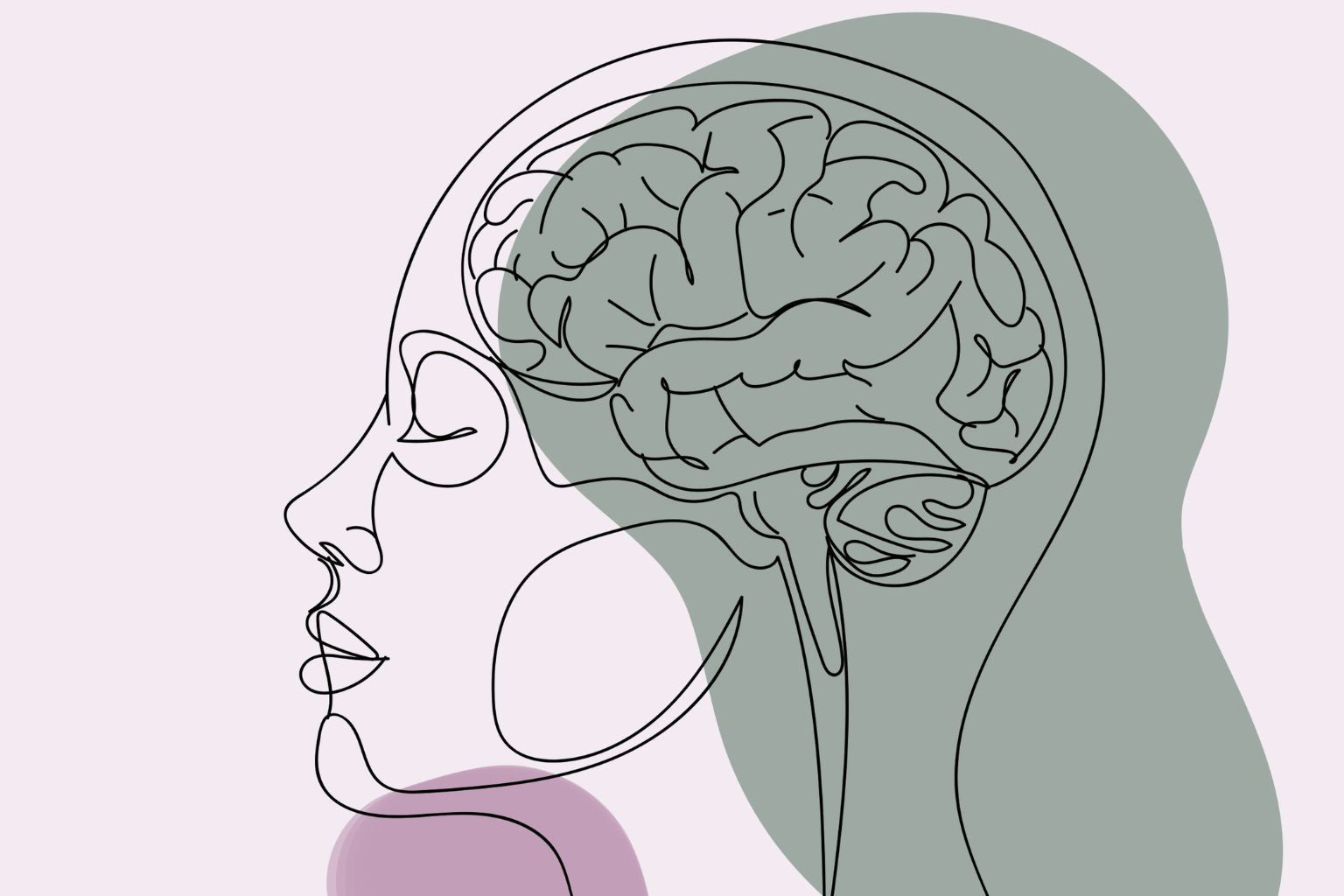
Many people notice that their digestion becomes more sensitive, especially during stressful times. Perhaps you’ve experienced this yourself: Before an important exam, a job interview, or during particularly stressful periods, your stomach suddenly makes itself known. One reason for this is that the gut and the brain are closely connected. Through what’s known as the gut-brain axis, the two constantly exchange information. Short-term stress is a normal part of life. However, if it persists over a longer period, it can also affect gut function. That’s why, in addition to diet, adequate rest, sleep, and relaxation play an important role in gut health.
3. Antibiotics Can Also Alter the Microbiome
Antibiotics are important medications and can be lifesaving in cases of bacterial infections. At the same time, however, they not only target disease-causing bacteria but can also affect beneficial gut bacteria. This can temporarily alter the composition of the microbiome. Many people therefore experience digestive issues such as diarrhea or a sensitive gut during or after a course of antibiotics. In most cases, the microbiome recovers over time. However, how quickly this happens can vary from person to person. It is therefore important to take antibiotics only when prescribed by a doctor and never to stop taking them on your own.
4. Does a weakened gut automatically mean a weak immune system?
The short answer is: No.
Even though the gut plays a central role in the body’s defenses, it is not the only factor that influences our immune system. Equally important are, among other things, sufficient sleep, regular exercise, a balanced diet, mental well-being, and individual factors such as age or pre-existing conditions. A healthy gut alone does not automatically make you immune to colds or other infections. Conversely, a sensitive gut does not necessarily mean that the immune system is fundamentally malfunctioning. Rather, the gut is an important building block in a complex network. The better the individual components work together, the better they can support the body’s natural defenses.
Here’s How You Can Strengthen Your Gut Every Day
The good news is: There are things you can do yourself to support your gut in your daily life. It’s not about cutting out certain foods or following a short-term dietary trend. Rather, it’s about many small habits that can have a positive long-term effect on gut health.
1. Fiber is your gut bacteria’s favorite food
When people talk about a gut-friendly diet, fiber almost always comes up. There’s a good reason for that. Fiber is barely digested in the small intestine and mostly reaches the large intestine. There, it serves as food for many beneficial gut bacteria. When broken down, it produces, among other things, so-called short-chain fatty acids, which play an important role in gut health and can support the gut barrier.
Examples of high-fiber foods include:
- Whole-grain products
- Vegetables
- Fruit
- Legumes
- Nuts and seeds
Here’s the rule: If you want to increase your fiber intake, you should do so gradually and drink plenty of fluids. This allows your digestive system to adjust to the change slowly.
2. Exercise Also Keeps the Digestive System Moving
Regular exercise isn’t just good for your heart and circulation—your gut benefits from it, too. Physical activity can support natural bowel movements while also contributing to your overall well-being. Even a daily walk, a bike ride, or other moderate exercise can help make your daily routine more active. It doesn’t always have to be intense exercise. Often, it’s the small habits that make the biggest difference in the long run.
3. Getting Enough Sleep and Reducing Stress Are Also Good for Your Gut
Our gut works around the clock—even when we’re sleeping. This makes it all the more important to give it regular periods of rest. Prolonged stress can affect digestion via the gut-brain axis. Many people are familiar with the feeling of a nervous stomach before an exam or an important appointment. However, if stress persists over time, it can further disrupt the delicate balance in the gut. Likewise, getting enough sleep plays a vital role in numerous regenerative processes in the body.
4. Home Remedies and Medicinal Plants Can Naturally Support Digestive Health
In addition to a balanced diet and a healthy lifestyle, many people rely on medicinal plants to naturally support their digestion. Traditionally, for example, chamomile, fennel, and caraway are used to treat digestive discomfort. Chamomile is valued, among other things, for its soothing properties, while fennel and caraway are traditionally used to support normal digestion. When stress is a factor, some people also turn to lemon balm, which has long been known as a classic medicinal plant for promoting inner calm.

Here’s how you can support your gut health every day