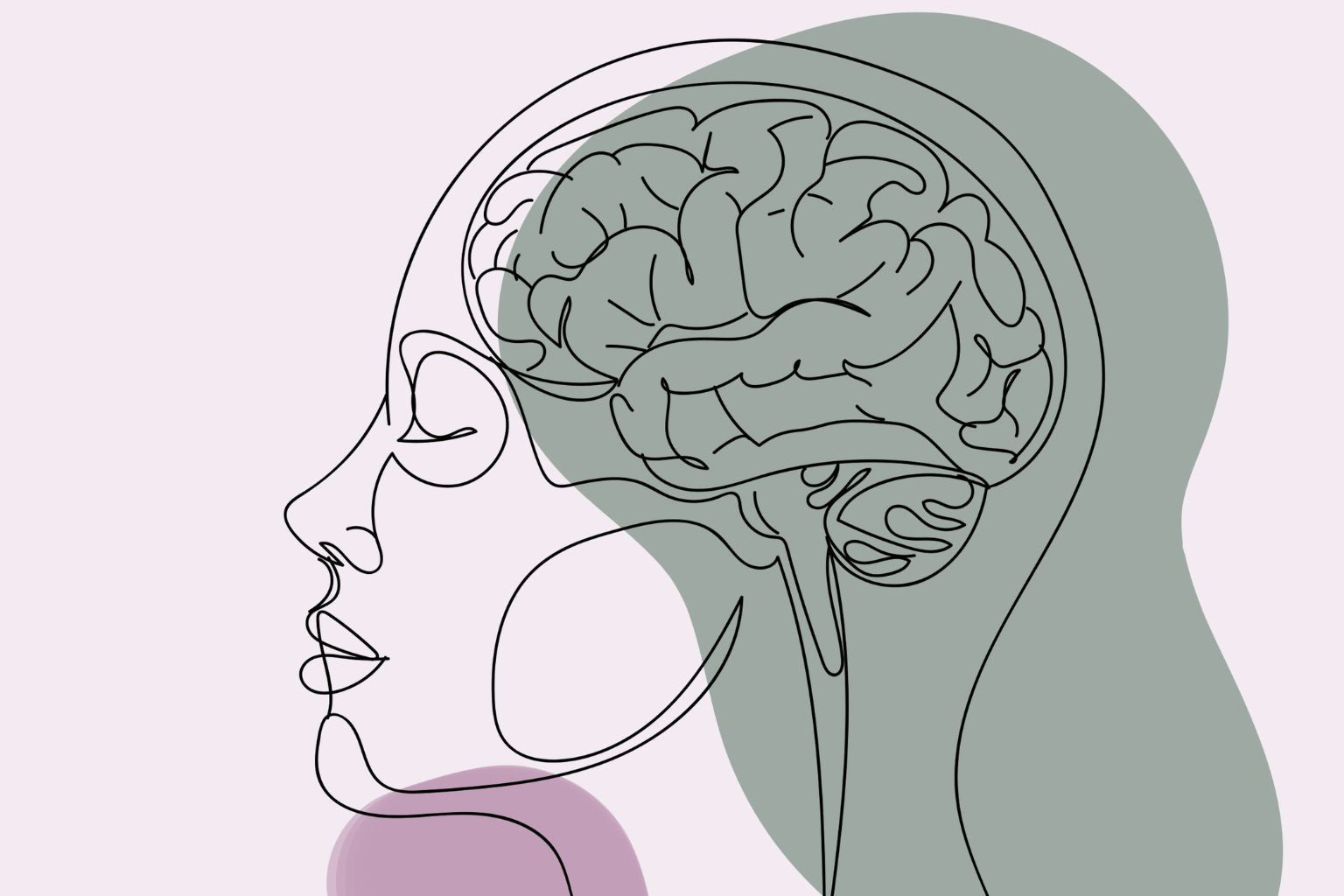



When the Nervous System Processes Pain Differently
Many people assume that pain is always caused by an injury or inflammation. With fibromyalgia, this is not the case. Although those affected often suffer from severe symptoms, no noticeable changes can usually be detected in the muscles, joints, or organs.
According to current scientific understanding, the nervous system plays a central role. Pain signals are processed more intensely and dampened less effectively. As a result, stimuli that would normally be barely noticed can be perceived as unpleasant or even painful.
This characteristic also explains why fibromyalgia is frequently associated with fatigue, sleep disturbances, and concentration problems. The condition affects not only individual regions of the body but various regulatory systems of the organism simultaneously.
Causes and Connections
The development of fibromyalgia is complex. It is likely that several factors interact to influence pain processing over the long term.
1. Pain processing becomes unbalanced
One of the most important findings of research is what is known as central sensitization. In this process, the brain reacts more sensitively to pain stimuli and processes information differently than in healthy people.
This lowers the pain threshold. Even everyday stressors or light touch can trigger symptoms. At the same time, the body’s natural pain inhibition often becomes less effective.
2. Stress has a lasting impact on the nervous system
Stress is not the cause of fibromyalgia, but it can significantly exacerbate symptoms. Chronic stress affects hormone balance, sleep, and nervous system activity.
Many people with the condition report that their symptoms began or worsened after particularly stressful periods in their lives. This demonstrates how closely pain processing and stress regulation are linked.
3. Genetic and biological factors may play a role
Fibromyalgia occurs more frequently in some families. Therefore, experts believe that genetic factors may influence the sensitivity of the pain system.
In addition, changes in certain neurotransmitters involved in pain perception, mood, and sleep are being discussed. The condition is likely caused by the interaction of several biological and external factors.

Possible causes of fibromyalgia: Changes in pain processing, chronic stress, and genetic and biological factors are discussed as key contributing factors.
Typical symptoms or signs
Fibromyalgia does not manifest the same way in everyone. Nevertheless, there are some symptoms that occur particularly frequently.
1. Pain often occurs throughout the body
The most noticeable symptom is chronic pain, which can affect various parts of the body. It is often described as a pulling, burning, or pressing sensation
. Typically, the symptoms are not limited to individual joints or muscles but can occur in different areas.
2. Fatigue persists despite adequate rest
Many people with fibromyalgia suffer from severe fatigue. Even after getting enough sleep, they often do not feel rested.
The reason for this may be that the nervous system remains in a state of heightened activity, impairing recovery processes.
3. Sleep and concentration are frequently
Fibromyalgia affects not only the body but also mental functions. Problems with concentration, forgetfulness, or difficulty thinking are often described as “fibro-fog.”
At the same time, many people with fibromyalgia report trouble falling and staying asleep. This can lead to a cycle of sleep deprivation, exhaustion, and increased sensitivity to pain.
What helps in daily life?
Even though fibromyalgia is incurable, various measures can help make daily life more manageable.
1. Gentle exercise can improve physical resilience
Prolonged rest often leads to a further decline in physical resilience. That is why professional associations generally recommend regular, but adapted, exercise.
Activities such as walking, swimming, yoga, or tai chi are particularly suitable, as they challenge the body without overloading it.
2. Stress management relieves the nervous system
Since stress can exacerbate symptoms, many people with fibromyalgia benefit from relaxation techniques. Breathing exercises, meditation, or mindfulness training can help reduce internal tension.
What matters here is not perfection, but consistency.
3. Sleep deserves special attention
Restful sleep plays a key role in pain management and recovery. Consistent sleep schedules, a quiet sleep environment, and avoiding screen time shortly before bed can be helpful.
4. Better recognizing your own limits
Many people experience periods when they overdo it and subsequently develop more severe symptoms. That’s why it can be helpful to plan activities more carefully and spread physical and mental demands more evenly throughout the day.
5. Small routines create stability
Regular daily routines can provide the body with structure. Exercise, relaxation, sleep, and rest often benefit from consistent habits that are maintained over the long term.

What can help in daily life: Gentle exercise, stress reduction, restful sleep, and fixed routines can help boost resilience and make it easier to manage fibromyalgia.
Natural Support and Medicinal Plants
In naturopathy, fibromyalgia is often viewed holistically. The focus is not only on pain but also on stress regulation, sleep, fatigue, and overall well-being. Various medicinal plants are traditionally used to support people facing these challenges.
Selected medicinal plants such as hemp seeds, coloquint, ginkgo, taiga root, St. John’s wort, and masterwort are traditionally used in naturopathy to support relaxation, resilience, concentration, and general well-being.
- Hemp seeds are often associated with relaxation and general well-being in naturopathic approaches. Therefore, they play a role in addressing complaints related to tension and physical stress.
- Cucumber is traditionally used for conditions involving cramp-like pain and muscular tension
- Ginkgo is often used in connection with concentration, mental performance, and blood circulation. For this reason, it is also considered in fibromyalgia treatments when fatigue and concentration problems are the primary concerns.
- Taiga root is traditionally valued as an adaptogen. It is frequently used when resilience, stress resistance, and general fatigue are factors.
- St. John’s wort is traditionally used to support emotional balance and therefore plays an important role in naturopathic approaches to chronic stress
- Goldenseal is frequently associated with vitality and general strengthening in traditional herbal medicine.