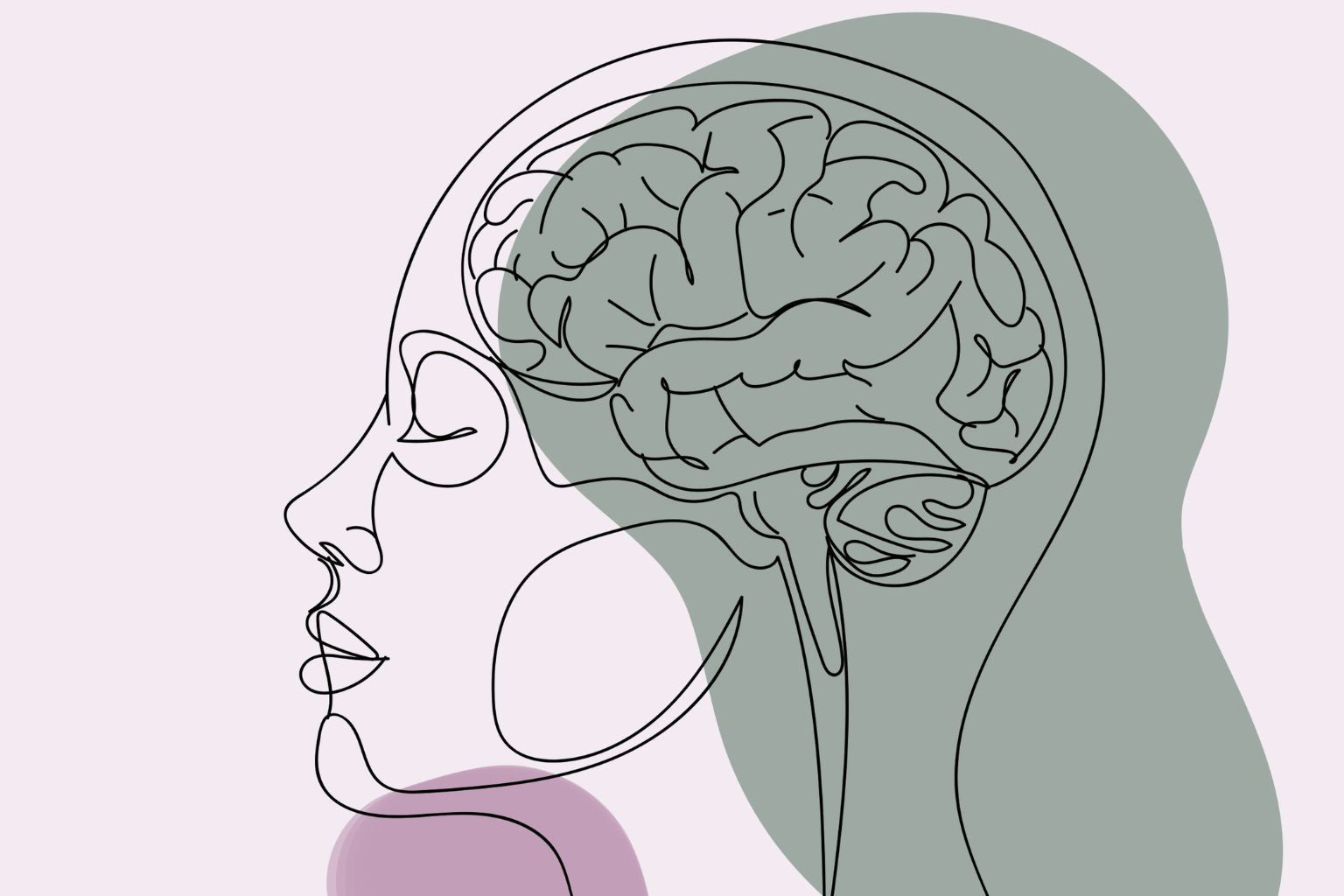


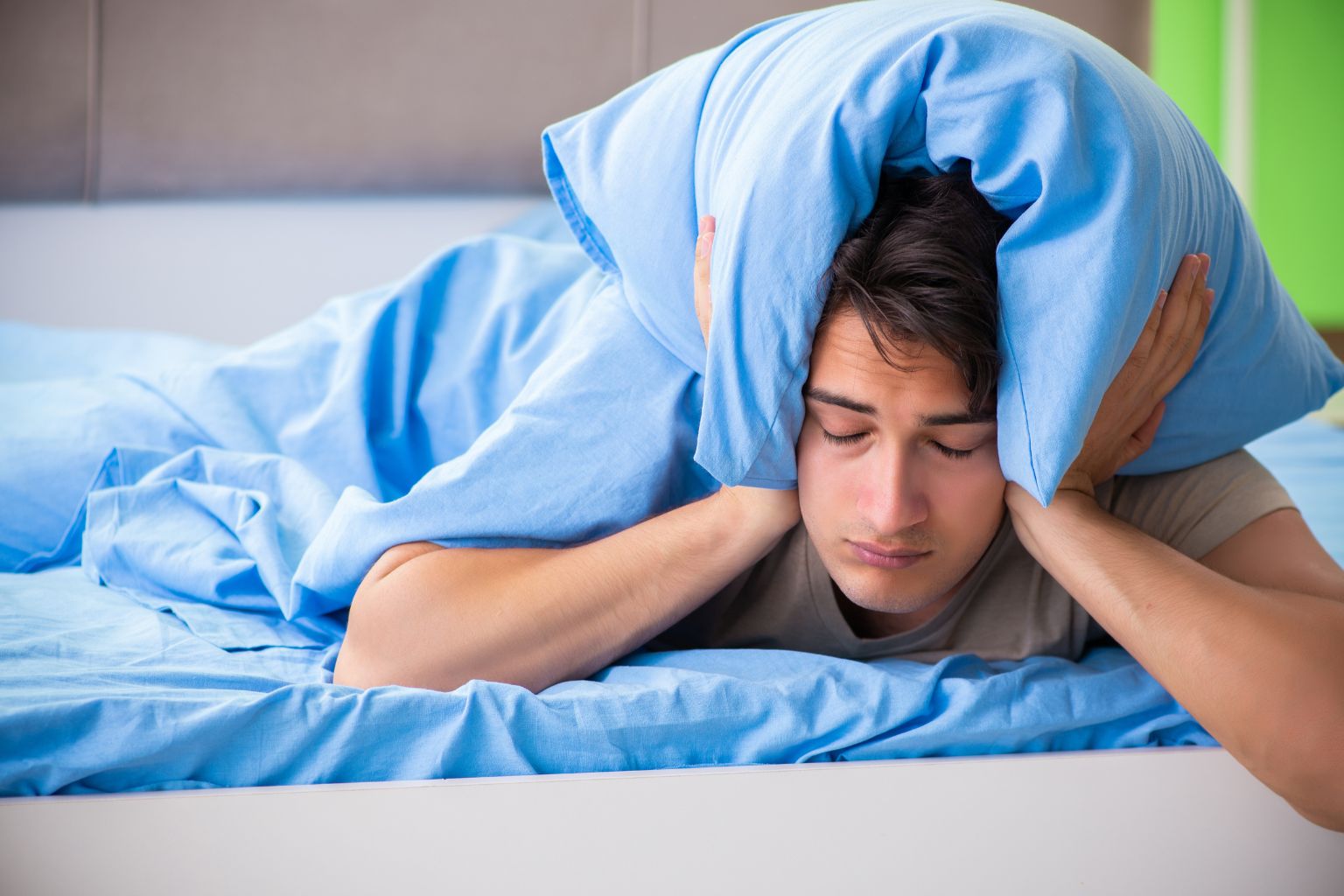
Why can anxiety disrupt sleep so persistently?
You’re actually tired. It’s been a long day, the lights are out, and all you want to do is sleep. But as soon as things quiet down, your mind starts racing. You replay a conversation in your head. A worry that was barely on your mind during the day suddenly feels urgent. And at some point, another thought joins all these others: I have to sleep. I have to function tomorrow. That’s exactly what makes anxiety and sleep problems so difficult: they can feed into each other. Anxiety keeps you awake. A bad night makes the next day more exhausting. And the more often that happens, the greater your worry about the next night can become.
1. When the merry-go-round of thoughts doesn’t start until you’re in bed
During the day, worries compete with appointments, conversations, and other tasks for our attention. In bed, much of that falls away. Suddenly, there’s time to think.
Did I say something wrong today? How am I going to manage this tomorrow? What happens if …?
The problem: Many of these questions have no satisfying answer at night. Yet the mind still tries to solve them. Thinking turns into brooding. This quickly creates the impression that you just need to think this one thought through to the end—then you’ll finally be able to sleep. But one answer is often immediately followed by the next question. So the body lies in bed, while the mind remains mentally stuck in the middle of the day.
2. When the body is tired but can’t relax
Anxiety doesn’t happen solely in the mind. Inner restlessness can go hand in hand with physical tension. You become more aware of your heartbeat, your muscles remain tense, or your breathing changes. Instead of resting, your body remains on high alert. That’s why two seemingly contradictory things can happen at the same time:
You’re exhausted—and yet wide awake.
This is particularly frustrating because tiredness would normally lead one to expect that sleep should follow automatically. When it doesn’t, the search for an explanation often begins. And at some point, it’s no longer just the original worry that’s being observed, but sleep itself.
Am I tired enough yet? Why am I not asleep yet? How many hours do I have left?
This often marks the beginning of the next part of the cycle.
Why does the fear of not sleeping actually keep you awake even more?
A single bad night is unpleasant. It gets more difficult when several bad nights give rise to an expectation. Then the sleep disturbance may not even begin in bed. As early as the afternoon, the thought pops into your head: I hope I can sleep tonight. In the evening, you check whether you’re already tired enough. And as soon as the lights go out, every minute of being awake takes on a new meaning.
1. When Sleep Suddenly Becomes a Task
Sleeping is something we do every day—and yet we can’t simply make it happen on command. That’s exactly what makes sleep problems so paradoxical. The more important it seems that you absolutely must fall asleep right now, the greater the pressure can become. A glance at the clock shows 11:48 p.m. If I fall asleep now, I’ll still get seven hours. Later, it’s 12:27 a.m. Now there are only six left. Sleep turns into math. And the bed becomes a place where you’re constantly checking to see if your body is finally doing what it’s supposed to. Trying to force yourself to sleep can thus become part of the problem itself.
2. Why a Bad Night’s Sleep Can Exacerbate Anxiety the Next Day
The cycle also works both ways. After little sleep, many things become more difficult. Concentration wanes, resilience drops, and the day can feel more exhausting right from the morning. Those who are already struggling with anxiety may become more sensitive to stress and distressing thoughts as a result. A difficult situation that might have seemed manageable after a restful night suddenly feels overwhelming. And this can quickly lead to a conclusion: “I absolutely must not sleep this badly again tonight.” This already builds up pressure for the next evening. This is how a cycle can develop:
Anxiety makes it harder to sleep → poor sleep takes a toll on the next day → anxiety becomes harder to manage → the next night takes on even greater importance.
This is precisely why anxiety and sleep problems shouldn’t always be viewed as two separate issues.

The Cycle of Anxiety and Sleep Deprivation
What happens when anxiety suddenly strikes at night?
Not all anxiety begins with long periods of worrying before falling asleep. Some people wake up in the middle of the night and are completely tense within a few moments. This can be particularly unsettling: One moment you were asleep—and suddenly, the anxiety is there.
1. Can panic attacks occur while you’re asleep?
Yes, panic attacks can also occur at night. Those affected may wake up from sleep with intense anxiety and physical arousal. Such a situation can feel particularly threatening at night. It’s dark, you’re disoriented for a moment, and there’s hardly any distraction. After such an experience, you may worry that the attack will happen again. Suddenly, it’s not just the panic that feels threatening—but falling asleep itself. What if I wake up from it again? As a result, sleep can become increasingly associated with a state of alertness.
Important: First-time, severe, or unusual physical symptoms should not automatically be classified as anxiety or panic but should be medically evaluated if necessary.
2. When going to bed eventually becomes associated with tension
After several difficult nights, the feeling you have when going to bed can sometimes change. During the day, everything functions reasonably well. But the closer evening gets, the stronger the inner restlessness becomes. The bed, which is supposed to represent rest, becomes mentally associated with lying awake, ruminating, or anxiety. Some people then try to delay falling asleep for as long as possible. Others stay on their cell phones until their eyes close, or go to bed especially early to have “enough time to sleep.” All these reactions are understandable. But they show just how much daily life can already revolve around sleep. At some point, the question is no longer just: Why can’t I sleep? But rather: How do I prevent this from happening again tonight? And it’s precisely this attempt to gain control that can create additional pressure.
How do you break out of the cycle of anxiety and poor sleep?
Anyone who lies awake at night quickly gets a whole list of advice: go to bed earlier, no coffee, breathing exercises, no cell phone, more exercise. Some habits can actually help you sleep. But if anxiety is the root cause of the problem, a perfect evening routine alone is often not enough.
1. Why You Can’t Force Yourself to Sleep
Maybe you’re familiar with this thought: “If I just relax enough right now, I’m sure I’ll fall asleep right away.” Then you do a breathing exercise. Afterward, you check to see if it worked. Next, you start meditating. You check again. Still awake. Suddenly, even relaxation becomes a task.
Here’s an important distinction: A calm evening routine can be pleasant. But it shouldn’t become a test you have to pass every night. You don’t have to achieve the “perfect” state before sleep is possible. It can be more helpful to take the pressure off the situation and accept that not every night will go equally well. A bad night is unpleasant—but it doesn’t automatically mean the next one will be bad, too.
2. What Can Help Stop the Mind from Racing in the Evening
Simply trying to shut off your thoughts usually doesn’t work. If you tell yourself in bed, “I mustn’t think about this now,” you often end up thinking about it even more. It may make more sense to set aside a limited amount of time for your worries before going to bed. For example, write down what’s on your mind and which issues you can actually address the next day. This doesn’t make the problem go away. But it also means you don’t have to try to solve it in your head at 1 a.m. If you notice that you’re getting caught in the same thought loop again, a simple question can also help:
Can I actually do anything about this right now—or am I just thinking about it for the tenth time?
This distinguishes problem-solving from ruminating. Regular bedtimes, daily exercise, and mindful caffeine consumption can also support sleep. However, these are general guidelines—not a treatment for an anxiety disorder.
3. Why It’s Sometimes More Important to Treat the Anxiety
If anxiety regularly prevents you from sleeping, the key solution may not lie in the bedroom. In that case, it’s worth asking: What is actually keeping me awake?
Is it specific worries? Generalized anxiety? Recurring panic attacks? Or, by now, mainly the fear of not being able to sleep again? Depending on the situation, psychotherapy may be helpful. For anxiety disorders, psychotherapeutic approaches are among the established treatment options. In cases of persistent insomnia, on the other hand, cognitive behavioral therapy for insomnia (CBT-I) is considered an important non-pharmacological treatment. The difference is significant: Instead of just trying to get through the next night somehow, the focus is on addressing what perpetuates the cycle in the long term.
If sleep problems persist over a longer period of time, significantly interfere with your daily life, or if anxiety increasingly dominates your everyday life, you should therefore seek medical or psychotherapeutic evaluation. After all, it’s not about getting eight perfect hours of sleep every night. It’s about allowing the evening to once again mark the end of the day—and not the beginning of the next worry.