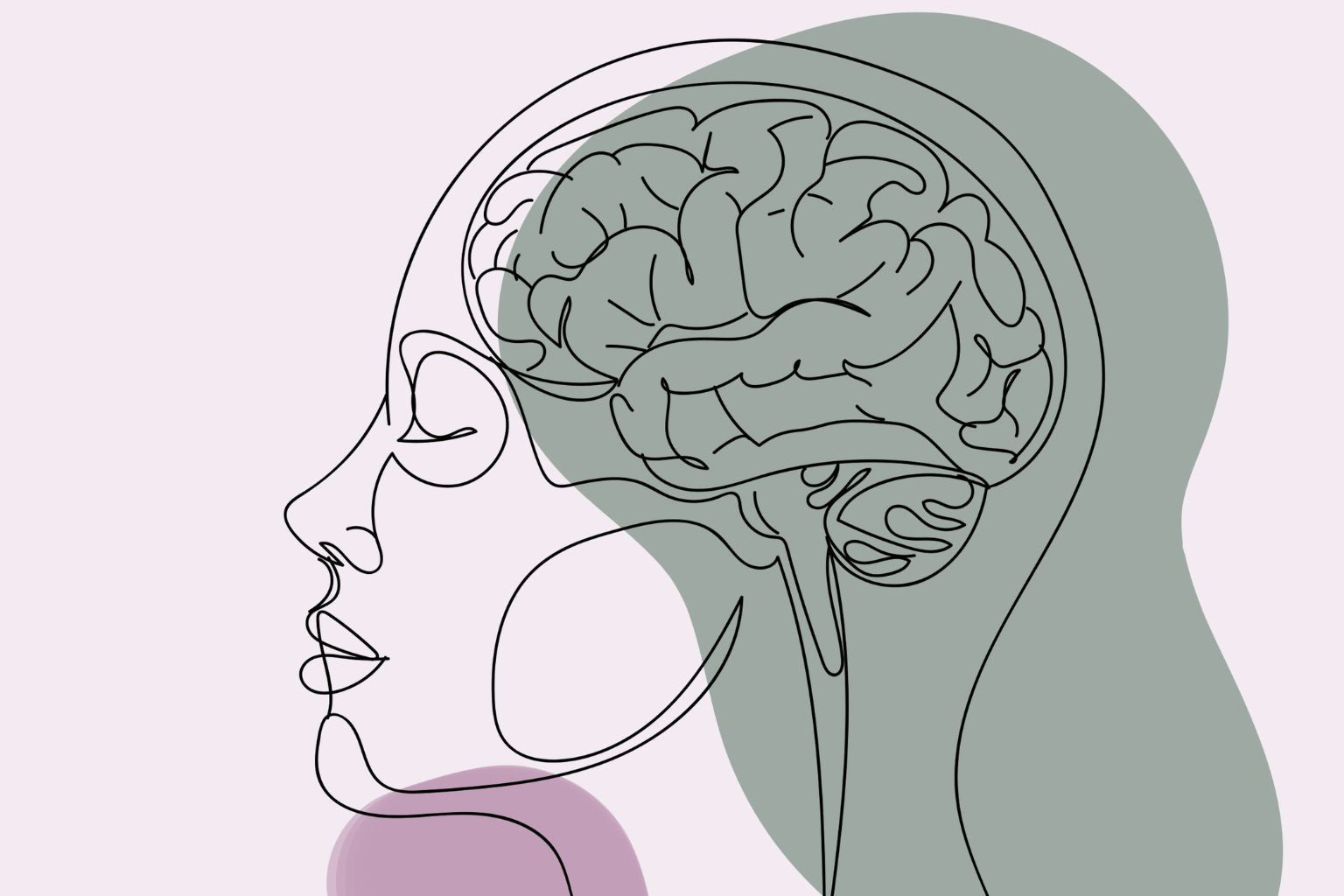



The Importance of Sleep
Sleep is much more than just rest. While we sleep, important regeneration and repair processes take place in the body that are essential for our physical and mental health. Our brain processes the day’s information and experiences; memories are consolidated, and important impressions are transferred to long-term memory.
At the same time, our body regenerates: the immune system is strengthened, cellular damage is repaired, and important hormones such as melatonin are released, which support our natural sleep-wake cycle. Heart rate, blood pressure, and muscle tension also change during sleep, helping the body relax and recharge.
Healthy sleep also influences our concentration, performance, mood, and overall well-being. People who consistently sleep poorly or not enough often feel exhausted, stressed, or less resilient. This makes it all the more important to give the body sufficient time to regenerate and to ensure good sleep quality.
The Different Sleep Stages Explained Simply
While we sleep, our body goes through several sleep stages that repeat themselves throughout the night. Each of these stages fulfills important functions for our physical and mental recovery. A complete sleep cycle lasts about 90 to 110 minutes and is repeated several times per night.
1. Falling Asleep Stage
The falling asleep stage is the transition from wakefulness to sleep. Heart rate, breathing, and muscles slowly relax, while we remain sensitive to external stimuli.
2. Light Sleep Phase
During the light sleep phase, the body continues to relax and awareness of the surroundings decreases. It serves as a transition to deep sleep and makes up a large portion of sleep.
3. Deep Sleep Phase
The deep sleep phase is important for physical recovery. The body carries out important recovery and repair processes and strengthens the immune system.
4. REM phase
The REM phase is characterized by rapid eye movements and vivid dreams. During this phase, the brain processes information and emotions.
5. How do the sleep phases unfold?
The various sleep phases alternate multiple times throughout the night. A sleep cycle usually begins with the falling-asleep and light sleep phases, followed by deep sleep and the REM phase. We go through several of these cycles each night—often without even being aware of the brief periods of wakefulness.

An overview of the different sleep stages: Throughout the night, our bodies go through several sleep cycles. Each stage supports important regeneration and recovery processes for the body and mind.
How Our Sleep Changes as We Age
Our sleep changes quite naturally over the course of our lives. While infants and children need significantly more sleep, many adults can get by with fewer hours of sleep. As we age, not only does the duration of sleep change, but so do its quality and structure.
1. Lighter Sleep
Older adults often sleep more lightly and wake up more quickly at night. Noises or external stimuli are often perceived more strongly than in younger years.
2. Less deep sleep & REM sleep
With age,
deep sleep and REM
phases often decrease. As a result, many people feel less rested despite getting enough sleep, or well-rested.
3. Longer time
to fall asleep Many people affected need more time to fall asleep. Inner restlessness or racing thoughts can make it even harder to fall asleep.
4. Altered day-night rhythm
Less movement, reduced physical activity, or insufficient daylight can affect the natural sleep-wake cycle and further impair sleep.
5. Sleep Remains Important
Even in old age, restful sleep is essential for recovery, well-being, and mental health. Regular exercise, fresh air, and consistent sleep routines can help improve sleep quality.
Tips for a More Restful Sleep
Restful sleep is important for recovery, concentration, and overall well-being. Often, even small changes in your daily routine or mindful evening rituals can help you wind down more easily and improve your sleep quality over the long term.
1. Find your personal evening ritual
Whether it’s yoga, meditation, breathing exercises, or a good book—find a routine that prepares you mentally and physically for sleep. Repetitive rituals help your body wind down more easily.
2. Create a comfortable sleep environment
A quiet and relaxed atmosphere in the bedroom can significantly improve your sleep quality. Avoid disruptive noises and electronic devices such as TVs or smartphones as much as possible. A suitable mattress and a room temperature between 16 °C and 18 °C can also contribute to a restful night’s sleep.
3. Incorporate exercise into your daily routine
. Regular physical activity can make it easier to fall asleep and improve the quality of your sleep. However, you should avoid scheduling intense workouts right before bedtime, as they can stimulate your circulation.
4. Develop a consistent sleep schedule
Try—if your daily routine allows—to stick to as regular a bedtime as possible. A consistent rhythm supports your body’s internal clock and helps your body wind down more easily in the evening.
5. Consciously relax and unwind
Stress and racing thoughts can make it harder to fall asleep. Make a point of scheduling short rest periods in the evening and try to let go of work-related or mental to-dos before bedtime.
These medicinal plants can naturally support your sleep
Restful sleep is important for our well-being, our recovery, and our mental performance. During the night, our body goes through various sleep stages, each of which serves a different purpose. Certain medicinal plants are traditionally used to promote relaxation, inner peace, and a natural sleep rhythm. We’ve compiled a list here of which plants are particularly popular and how they’re traditionally used.

Medicinal plants and natural active ingredients can help support sleep.
- Kava-kava (Piper methysticum) is best known for its calming and relaxing properties and is traditionally used to help with inner restlessness and trouble falling asleep.
- St. John’s Wort (Hypericum perforatum) is frequently used in naturopathy to balance mood and address sleep problems caused by nervousness.
- Hops (Humulus lupulus) are among the classic calming medicinal plants and are traditionally used to promote relaxation and restful sleep.
- Oats (Avena sativa) are known for their nerve-strengthening properties and are traditionally used to counteract stress and support inner peace.
- Coffee plant is traditionally used in naturopathy to alleviate nervous restlessness and promote greater inner balance.