

What Is Hyperfocus in ADHD?
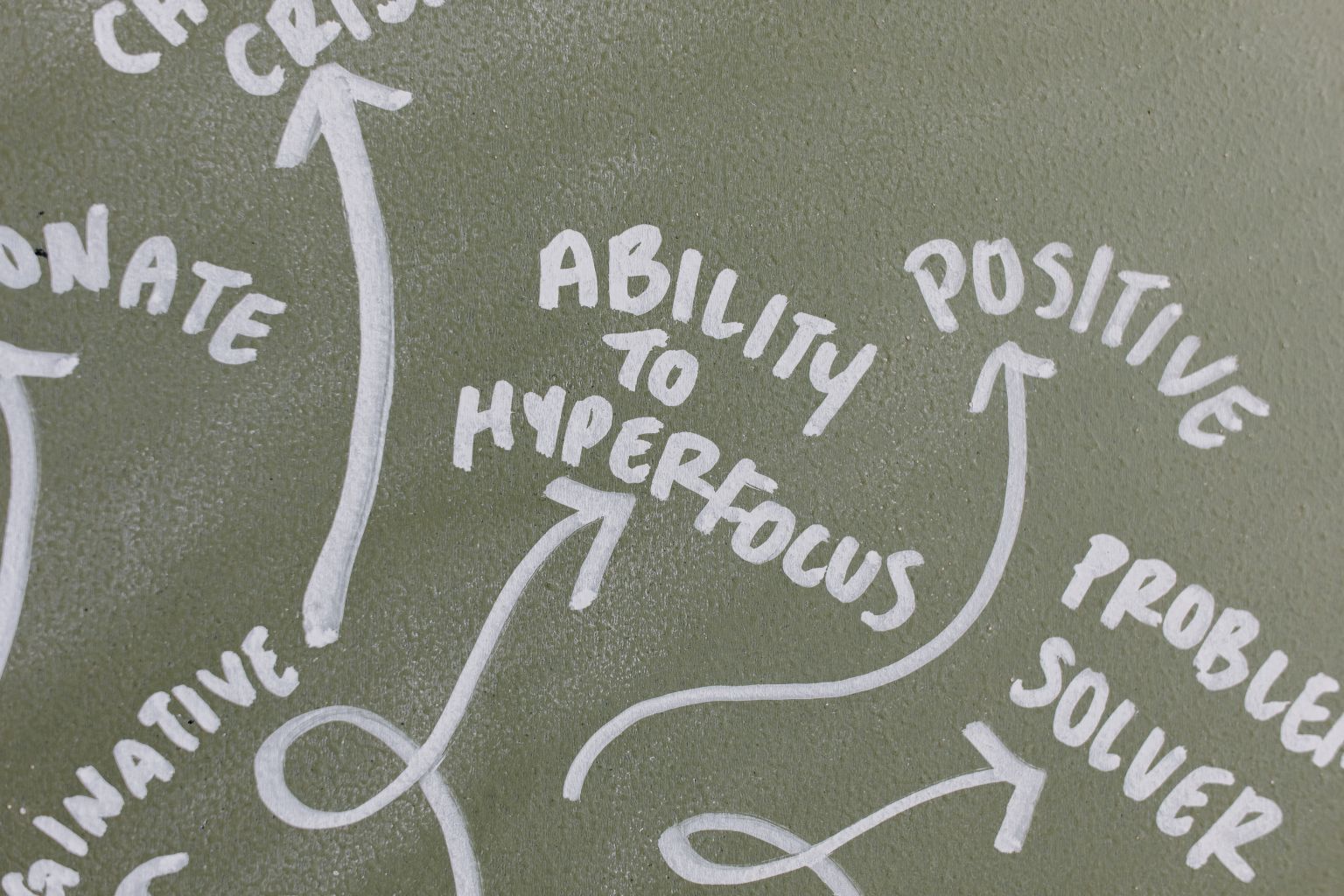
Many people associate ADHD primarily with inattention or being easily distracted. In fact, however, many people with ADHD experience exactly the opposite at times: a state of exceptionally intense concentration known as hyperfocus. During hyperfocus, attention is completely focused on a single activity. Everything else fades into the background—conversations, noises, or notifications are barely noticed. Often, time flies by without those affected realizing how many hours have already passed. However, hyperfocus does not mean that people with ADHD are generally better able to control their attention. Rather, they find it difficult to flexibly direct their concentration. Particularly interesting or emotionally significant tasks can capture their attention so strongly that switching to other activities becomes nearly impossible.
1. Hyperfocus Explained Simply
Hyperfocus describes a state of deep concentration on a task that is perceived as particularly exciting, challenging, or rewarding. During this phase, the brain works with extreme focus and blocks out many external stimuli. Unlike normal concentration, however, hyperfocus is difficult to consciously end. Appointments, obligations, or breaks are easily forgotten because attention remains almost entirely focused on a single activity. Contrary to a widespread assumption, hyperfocus is therefore not a “superpower.” Rather, it is a distinctive feature of attention regulation in ADHD that brings both advantages and challenges.
2. How can you recognize hyperfocus?
Hyperfocus manifests itself slightly differently in each person. Nevertheless, there are typical characteristics that many people with ADHD describe. The most common signs include:
- deep immersion in a task
- Loss of track of time
- Blocking out noises or other environmental stimuli
- Forgetting to eat, drink, or take breaks
- Difficulty voluntarily interrupting an activity
- Frustration or irritability when interrupted
Not everyone with ADHD experiences hyperfocus with the same frequency or intensity. Some report it only occasionally, while others regularly experience periods of intense concentration.
Why does hyperfocus occur?
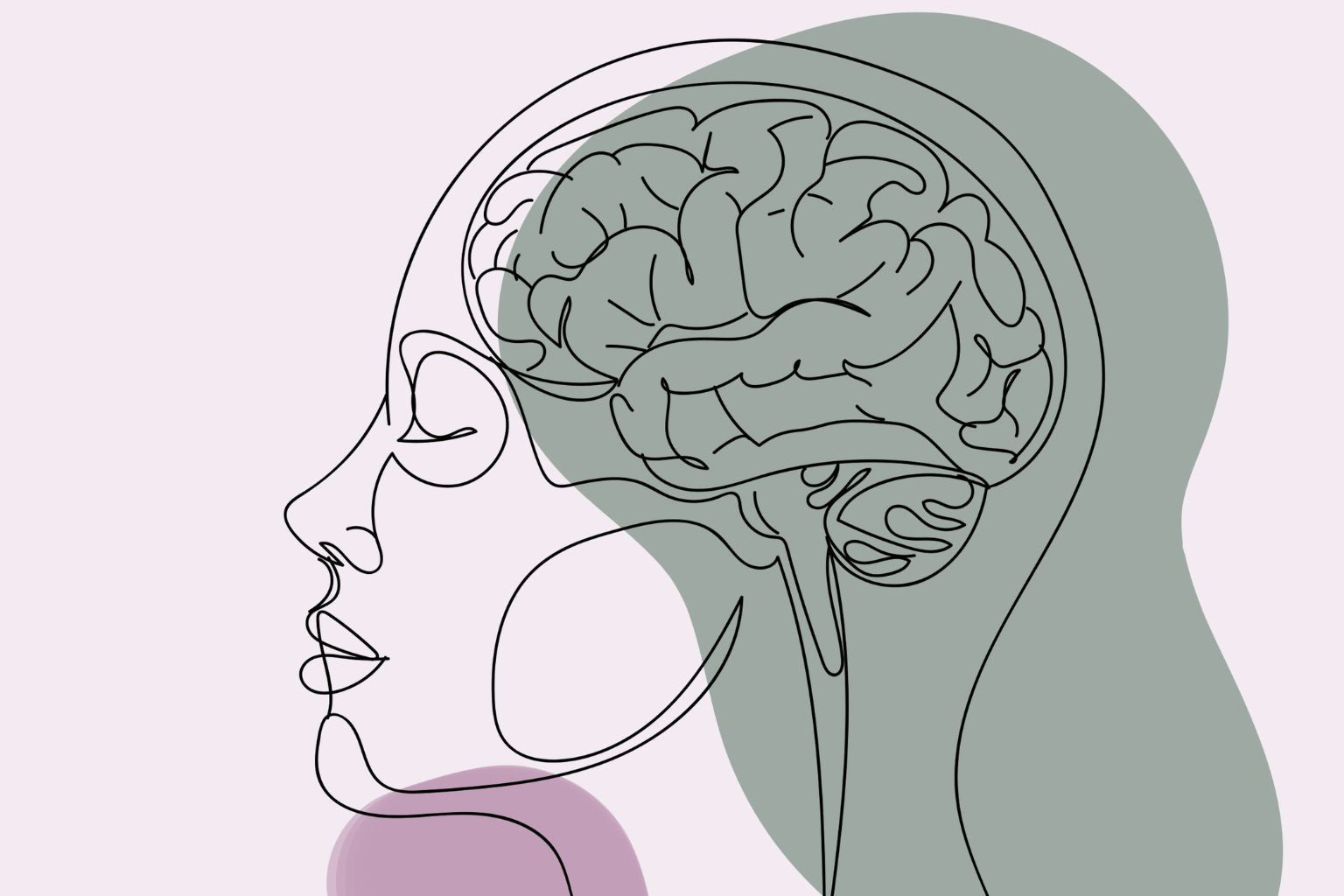
Hyperfocus does not occur because people with ADHD are fundamentally better at concentrating. Rather, it is related to the unique way the brain regulates attention and motivation. In particular, tasks that are exciting, new, or emotionally significant can capture attention so strongly that everything else fades into the background. The exact mechanisms have not yet been fully researched. However, researchers believe that changes in dopamine levels and in the brain’s reward system, in particular, play an important role.
1. The Role of Dopamine
Dopamine is a neurotransmitter involved in motivation, attention, and reward, among other things. In people with ADHD, dopamine regulation is thought to be altered. As a result, it is often more difficult to focus attention on tasks that are uninteresting or monotonous. The situation is different with activities that are perceived as particularly exciting or rewarding. These activate the reward system more strongly and can lead to increased dopamine release. The brain responds to this with an exceptionally intense focus on that specific task. In this state, unimportant stimuli are increasingly filtered out. Conversations, messages, or background noise fade into the background, while attention remains fully focused on the current activity. This creates the typical “tunnel vision” that characterizes hyperfocus.
2. What are the triggers?
Not every task triggers hyperfocus. It usually arises during activities that are personally particularly interesting or motivating. Common triggers include, for example:
- creative projects
- computer games or video games
- programming or technical tasks
- music, art, or craft activities
- complex puzzles and problem-solving
- Topics that spark a particular enthusiasm
The activities that trigger hyperfocus vary from person to person. While some people immerse themselves in creative projects for hours on end, others lose track of time while playing video games, participating in sports, or working on professional tasks. What matters is not the type of activity, but how strongly it sparks personal interest and activates the reward system.

The Development of Hyperfocus—An Interplay of Dopamine, Motivation, and Selective Attention
Opportunities and Challenges
Hyperfocus is often described as a special strength. In fact, this state can lead to impressive achievements. At the same time, however, it also presents challenges that can interfere with daily life, work, or social interactions. Whether hyperfocus is experienced as helpful or burdensome therefore depends less on the concentration itself than on how well it can be managed.
1. The Benefits of Hyperfocus
When people with ADHD enter a state of hyperfocus, they can work with extreme concentration for extended periods of time. Especially when engaged in activities that align with their interests, this often leads to creative ideas and exceptional results. Potential benefits include:
- high concentration over a long period of time
- creative solutions
- rapid grasp of complex concepts
- great perseverance when working on favorite topics
- high motivation and productivity
Many people who experience hyperfocus therefore see it as a phase during which they can work particularly efficiently or pursue their interests with great enthusiasm.
2. The Challenges of Hyperfocus
As helpful as hyperfocus can be in certain situations, it can become just as burdensome in everyday life. Since attention is focused almost exclusively on a single activity, other obligations can easily fall by the wayside. Typical consequences include:
- Forgetting appointments or plans.
- Meals and drinks are put off.
- Skipping breaks.
- Bedtimes are missed.
- It’s difficult to switch to another task.
Finishing a task is often particularly difficult. Many people with ADHD find interruptions unpleasant or frustrating. As a result, it can be hard to shift priorities or respond to important obligations in a timely manner. Hyperfocus is therefore neither exclusively a strength nor exclusively a problem. Rather, it demonstrates how differently attention can be regulated in ADHD.

Advantages and Challenges at a Glance
Managing Hyperfocus Better in Everyday Life
Hyperfocus cannot be completely avoided—nor does it need to be. After all, in many situations, it can help you work creatively or tackle challenging tasks with great perseverance. What matters most is finding the right way to manage it and recognizing in time when it makes sense to take a break or switch tasks. Even small changes in your daily routine can help you better manage hyperfocus and ensure you don’t lose sight of important commitments.
1. Practical Strategies for Avoiding Getting “Stuck”
Since the sense of time is often lost during hyperfocus, external reminders can be a valuable aid. They help you pause regularly and become consciously aware of your own state. The following strategies have proven effective in everyday life:
- Set a timer or alarm: Reminders can help you take regular breaks or ensure you don’t miss appointments.
- Divide tasks into time blocks: Fixed work and break times make it easier to switch between different activities.
- Use to-do lists: Visible priorities help ensure you don’t lose sight of important tasks.
- Set calendar reminders: This makes it less likely that you’ll forget appointments and commitments.
- Consciously plan breaks: Short breaks boost concentration and help you address physical needs in a timely manner.
It’s important not to view these reminders as interruptions, but rather as tools to support a balanced daily routine.
2. Seek outside support and be mindful of your body
During a state of hyperfocus, external stimuli are often barely noticed. That’s why it can be helpful to involve people you trust. Family members, friends, or coworkers can agree to gently remind you of upcoming appointments or breaks. Often, just a brief reminder is enough to break out of tunnel vision. Your own body can also help interrupt hyperfocus. If you regularly pause for a moment and consciously pay attention to physical signals, you’ll often notice hunger, thirst, or fatigue sooner. The following can be helpful, for example:
- standing up briefly and stretching
- taking a few steps
- taking a deep breath
- drinking a glass of water
- running cold water over your hands or face
For many people, these small breaks make it easier to refocus and then make a more conscious decision about what they want to work on next.
Natural Support for Concentration and Balance
A healthy lifestyle can help regulate attention better in everyday life and make it easier to switch between concentration and relaxation. While this won’t prevent hyperfocus, established routines can help prevent burnout and strengthen self-awareness. Sufficient sleep, regular exercise, a balanced diet, and intentional rest periods are particularly important. They create the right conditions for the body and brain to remain at their best.
1. Strengthen Daily Routines and Self-Care
People with ADHD often benefit from clear structures and recurring routines. Set mealtimes, regular breaks, and sufficient sleep can help ensure that physical needs aren’t constantly neglected. It’s equally important to recognize stress early on and find ways to balance it out. Relaxation exercises, outdoor exercise, or mindfulness practices can help make daily life more mindful and prevent feeling overwhelmed.
2. Medicinal Plants as Complementary Support
Spagyric medicinal plants are traditionally used in naturopathy to support concentration, inner balance, or stress management. Which medicinal plants are appropriate always depends on individual symptoms and needs. Among the most commonly used medicinal plants are:
- Ginkgo (Ginkgo biloba): Traditionally used to support mental performance and concentration.
- Oats (Avena sativa): Considered to strengthen the nervous system and are often used for mental exhaustion and inner restlessness.
- Passionflower (Passiflora incarnata): Traditionally used to relieve inner tension and promote relaxation.
- Lemon balm (Melissa officinalis): Can help reduce nervousness and stress and support inner calm.