

Why the Liver Is Much More Than Just a Detoxification Organ
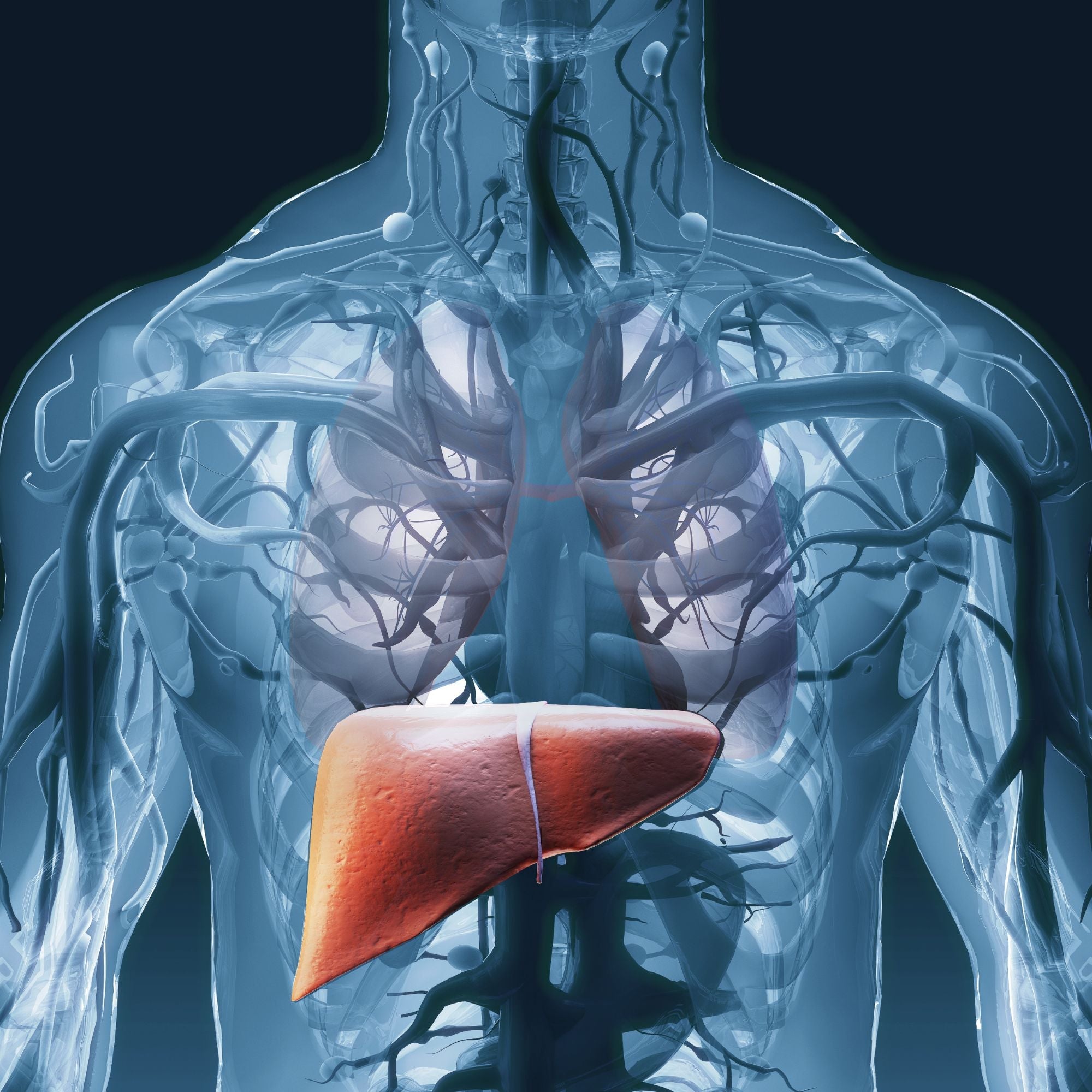
When people talk about the liver, the word “detoxification” usually comes to mind right away. In reality, however, this description falls short. The liver is not a passive filter, but a highly active metabolic center that works around the clock. It processes nutrients from food, stores energy reserves, produces important proteins, and participates in numerous hormonal processes.
A special characteristic of the liver is its enormous adaptability. Even if parts of the tissue are already damaged, it can continue to perform many tasks. This is precisely why liver diseases often go unnoticed for a long time. Symptoms frequently do not appear until the strain has persisted for an extended period or larger parts of the organ are affected.
Interestingly, the liver also possesses an extraordinary ability to regenerate. Hardly any other organ can replace damaged tissue to a comparable extent. Nevertheless, even this ability has its limits. Long-term stress can eventually lead to changes in the organ’s structure and impair important functions.
Factors that particularly strain the liver
Liver diseases rarely result from a single trigger. Often, various factors interact over the course of years. To protect the liver, it is therefore more important to understand the underlying mechanisms than to focus exclusively on individual lab values.
1. When fat accumulates in the liver
One of the most common changes is so-called fatty liver disease. In this condition, fat droplets accumulate in the liver cells. For a long time, this process often causes no symptoms. Nevertheless, the liver’s metabolism changes even at an early stage.
It is particularly interesting to note that fatty liver disease is not caused solely by alcohol. Often, obesity, lack of exercise, insulin resistance, and a consistently high energy intake play a role. The liver effectively becomes a storage site for excess energy. The longer this condition persists, the greater the risk of inflammatory processes and further damage.
2. Alcohol alters key metabolic processes
Alcohol is primarily broken down in the liver. This produces byproducts that can place additional strain on liver cells. At the same time, metabolism shifts toward alcohol breakdown, while other processes are temporarily sidelined.
The problem lies not only in occasional consumption but primarily in chronic exposure. Although the liver attempts to adapt to recurring alcohol consumption, inflammation, fatty degeneration, and structural changes in the tissue can develop over the long term.
3. Lack of exercise affects the liver more than many people realize
Many people primarily associate exercise with muscles or cardiovascular diseases. In fact, however, physical activity also influences liver function. A lack of exercise can contribute to the body becoming less sensitive to insulin and to excess energy being stored more heavily in the liver.
Regular exercise therefore affects more than just body weight. It simultaneously alters numerous metabolic processes and can help reduce the strain on the liver.
How to recognize a strained liver
A unique feature of the liver is that it has almost no pain receptors of its own. As a result, changes often go unnoticed for a long time. Symptoms frequently arise indirectly or are initially attributed to other causes.
1. Fatigue and a drop in energy levels can be early signs
Many Those affected report persistent fatigue, reduced stamina, or difficulty concentrating. While these symptoms are nonspecific, they occur more frequently in various liver diseases.
The reason for this is that the liver plays a central role in energy metabolism. If important metabolic processes are impaired, this can affect overall performance levels.
2. Digestive complaints often arise indirectly
The liver produces bile, which is necessary for fat digestion. Changes in liver or bile function can therefore also affect digestive processes.
A feeling of fullness, pressure in the upper abdomen, or intolerance to high-fat meals can be signs, even if they do not automatically indicate liver disease.
3. Abnormal lab results often go unnoticed for a long time
An interesting aspect of many liver diseases is that they are initially only detected through blood tests. Elevated liver enzyme levels often do not cause immediate symptoms.
That is why changes are frequently discovered by chance—for example, during routine checkups or blood tests conducted for other reasons.
These measures can help reduce the strain on the liver in daily life
The liver does not require “cleansing regimens” or “detox programs.” The most important way to support it is to reduce stressors and promote natural metabolic processes.
1. Indirectly support the liver through diet
The liver processes nearly all nutrients absorbed through the intestines. A consistently high calorie intake or an excess of highly processed foods can place additional strain on this metabolism.
What matters is not so much a single food item as long-term dietary habits. A varied diet can help keep metabolic processes in balance.
2. Viewing exercise as metabolic training
Physical activity directly influences sugar and fat metabolism. This relieves the liver because less excess energy needs to be stored.
Even regular daily movement can positively influence metabolic processes. The focus here is not on peak performance, but on consistency.
3. Consume alcohol more mindfully
Since the liver is responsible for breaking down alcohol, reduced alcohol consumption has a direct impact on its workload. Regular consumption, in particular, should be critically examined.
It is interesting to note that the liver can often respond positively to even small changes. It has a high regenerative potential, provided that stressors are reduced.
4. View body weight from a long-term perspective
There is a close connection between body weight and liver health. Excess abdominal fat, in particular, influences metabolic processes and is associated with an increased risk of fatty liver disease.
This is not about short-term diets. Sustainable lifestyle changes are usually much more effective than radical measures.
5. Critically evaluate medications and self-medication
Many active ingredients are processed in the liver. Therefore, long-term or improper use of certain medications can place additional strain on the organ.
Anyone who takes medication regularly should always discuss potential interactions or strain with a healthcare professional.

Five simple steps can help to Relieving the liver’s daily workload and supporting key metabolic processes in the long term
Natural support and medicinal plants
Medicinal plants have been used for centuries to support liver and gallbladder function. Traditionally, the focus has been on digestion, metabolism, and excretion. Although many uses are based on long-standing experience, medicinal plants should be viewed as a complementary measure and not as a substitute for medical diagnosis.

Traditionally, various medicinal plants have been used to support liver, gallbladder, and digestive functions. Their long-standing use makes them an integral part of many naturopathic approaches to this day.
- Milk Thistle Milk thistle is one of the best-known liver-related medicinal plants in Europe and is traditionally used to support liver function.
- Artichoke It is frequently used to support digestive and biliary processes and is traditionally associated with fat metabolism.
- Wormwood Is valued in herbal medicine primarily for its bitter compounds and is traditionally used for digestive complaints.
- Celandine Has a long tradition in naturopathic approaches related to the gallbladder and digestion. However, it should be used under expert guidance.
- Angelica Traditionally used to support various digestive functions, it is one of the classic medicinal plants of the Alpine region.
- Nux vomica Used primarily in homeopathy and spagyric medicine, and is traditionally associated with digestion and metabolism.