

Why the Gut Is Considered the Body’s Control Center
Many people associate the gut primarily with digestion. In reality, however, it performs far more functions. The gut not only absorbs nutrients but also facilitates the exchange of important signals between the immune system, metabolism, and nervous system.
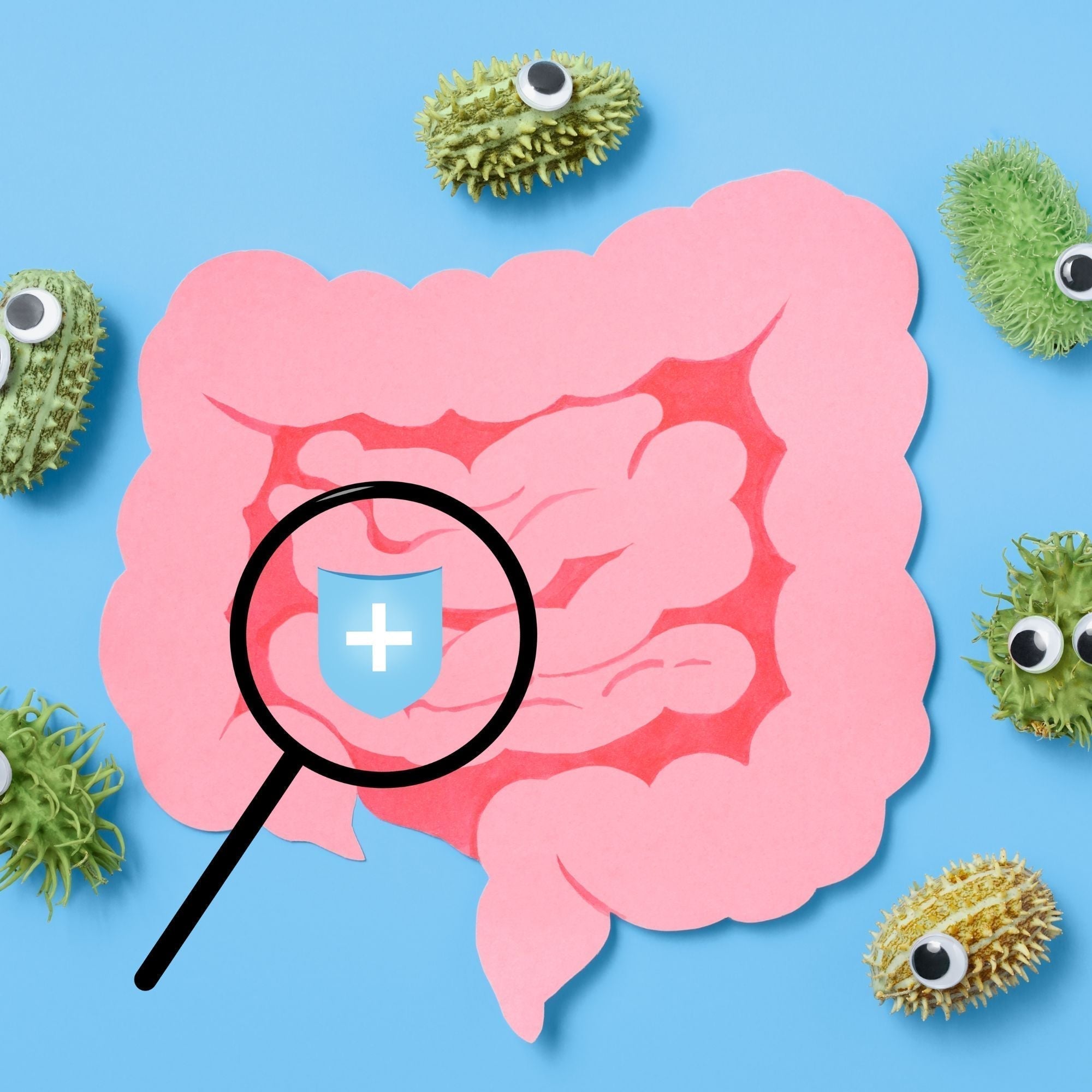
The gut microbiome is particularly fascinating in this context. This refers to the totality of all microorganisms that colonize the digestive tract. These tiny cohabitants influence, among other things, the processing of food, the formation of certain metabolic products, and the function of the intestinal barrier.
In recent years, research has shown that the composition of the microbiome is closely linked to various aspects of health. That is why scientists no longer view the gut as merely a digestive organ, but as an important component of numerous regulatory processes in the body.
Causes and Connections
Gut health is influenced by many factors. Diet is not the only factor at play.
1. Diet directly influences the microbiome
The bacteria in the gut need food to multiply and perform their functions. In particular, dietary fiber from vegetables, fruits, legumes, and whole grains serves as an energy source for many beneficial gut bacteria.
A long-term low-fiber diet, on the other hand, can lead to a decrease in the diversity of the microbiome. This alters the delicate balance of the gut flora.
2. Stress affects the gut-brain axis
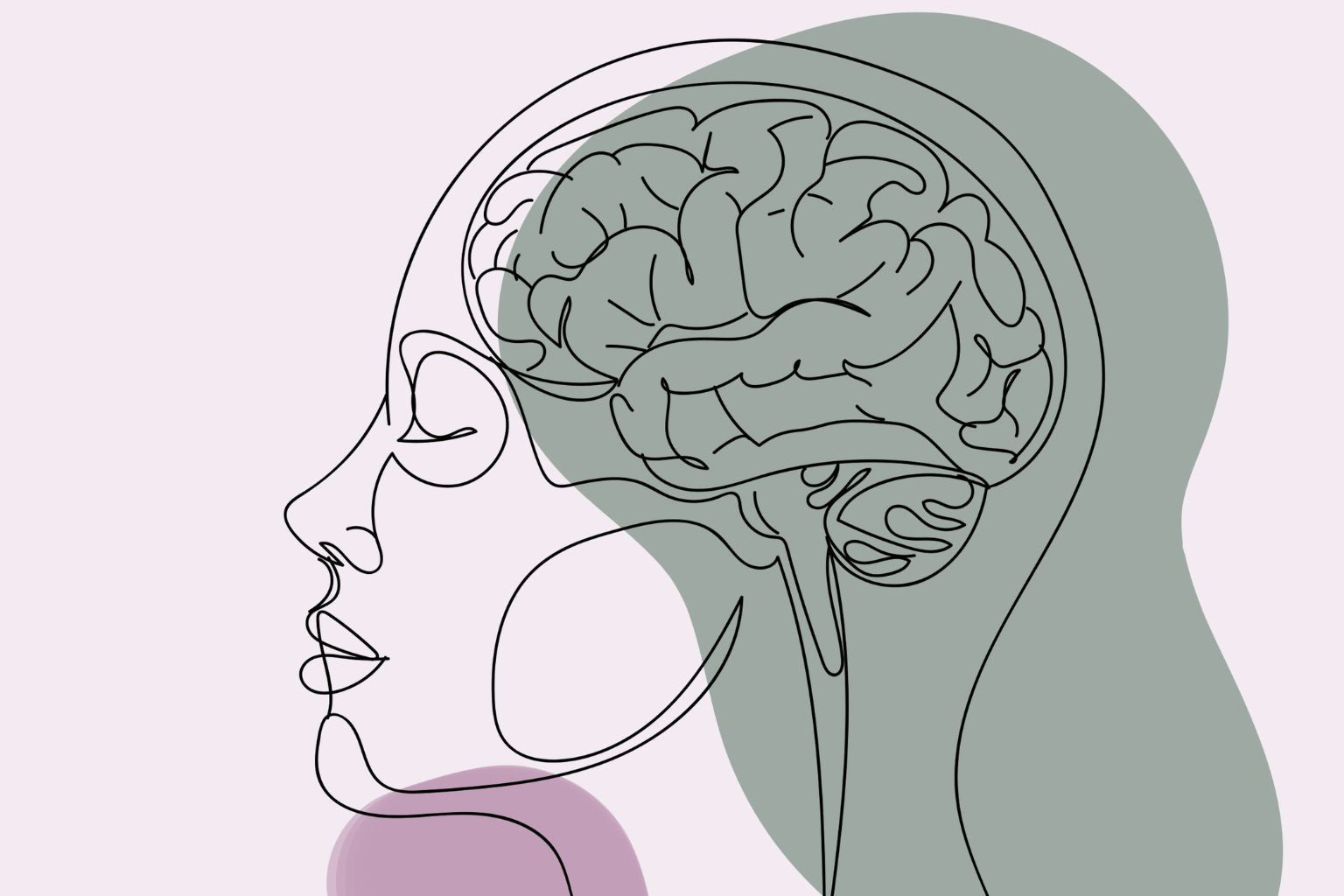
The gut and brain are in constant communication via nerve pathways, hormones, and neurotransmitters. This connection is known as the gut-brain axis.
Prolonged stress can affect normal gut function and promote changes in the microbiome. At the same time, intestinal discomfort can in turn affect mental well-being.
3. Medications alter the composition of the gut flora
Certain medications not only act on their intended target but also affect the gut flora.
Antibiotics, in particular, can disrupt the balance of the microbiome because they do not distinguish between beneficial and harmful bacteria. After treatment, the gut flora often needs time to stabilize again.
4. Sleep and exercise influence gut health
Lifestyle factors also play an important role. Regular exercise is associated with greater diversity in the microbiome.
At the same time, studies show that sleep deprivation and chronically disrupted sleep patterns can influence the composition of the gut flora.

Diet, stress, medications, as well as sleep and exercise habits are among the most important factors that can influence the gut microbiome and thus gut health.
Typical symptoms or signs
An imbalance in the gut flora does not always manifest itself solely in the digestive tract.
1. Digestive complaints are among the most common signs
Bloating, a feeling of fullness, diarrhea, or constipation may indicate that the interaction between the gut flora and digestion has become unbalanced.
These symptoms are often caused by changes in bacterial metabolic processes in the gut.
2. Recurring infections may be related to the gut
A large part of the immune system is located in the gut. Therefore, an imbalance in the gut flora can also affect the immune system.
People with a People with compromised gut health sometimes report being more prone to infections or experiencing a general decline in well-being.
3. Skin problems may be related
There is a close connection between the gut and the skin. Changes in the microbiome are therefore increasingly being studied in relation to skin conditions.
While the gut is not the sole cause, it can be a significant contributing factor.
4. Fatigue and concentration problems also occur
Since the gut, metabolism, and nervous system are interconnected, changes in gut health can also affect energy levels and mental performance
The exact mechanisms are still being intensively researched.
What helps in everyday life?
Gut health can often be positively influenced by simple habits.
1. Choose fiber-rich foods
Fiber serves as a food source for many beneficial gut bacteria and promotes a diverse gut microbiome.
Vegetables, legumes, whole grains, and fruits in particular should be regular staples in your diet.
2. Incorporate fermented foods
Yogurt, kefir, sauerkraut, and kimchi contain natural microorganisms and are often associated with a diverse gut microbiome.
They can be a useful addition to a varied diet.
3. Stay active regularly
Physical activity not only benefits the heart and circulation but also influences metabolic and digestive processes.
Even regular walks can make a positive difference.
4. Consciously reduce stress
Relaxation techniques, adequate rest, and intentional breaks can help reduce the strain on the gut-brain axis.
This often benefits both your well-being and your digestion.
5. Use antibiotics responsibly
Antibiotics are important medications, but they should only be used when medically necessary.
This helps avoid unnecessary strain on the gut flora.

A high-fiber diet, fermented foods, regular exercise, and conscious relaxation can help support the gut microbiome and promote long-term gut health.
Natural Support and Medicinal Plants
In naturopathy, various medicinal plants are traditionally used in connection with digestion, gut function, and well-being. They are not a substitute for medical treatment but can be part of holistic approaches.

Milk thistle, mandrake, goldenseal root, okoubaka, and bolus alba are traditionally used in naturopathy in connection with digestion, gut function, and general well-being.
- Milk thistle Milk thistle is traditionally used in connection with digestive and metabolic processes. For this reason, it plays a role in many naturopathic approaches related to the stomach, intestines, and liver.
- Mandrake Mandrake has a long historical tradition. Due to its constituents, its use is now very limited, and it should not be used without expert guidance.
- Goldenseal root Goldenseal root is traditionally used in connection with mucous membranes and digestive processes and is therefore also recognized in naturopathic approaches to gut health.
- Okoubaka Okoubaka is frequently used in naturopathic applications related to digestion and gut flora and is particularly well-known in complementary approaches to gut health.
- Bolus alba White clay is traditionally used for various gastrointestinal complaints and is often associated with supporting digestive function.