

When Your Stomach Acts Up After Every Meal
Digestive discomfort is part of everyday life for many people. Sometimes your stomach gnaws at you after lunch, sometimes you experience bloating in the evening, or you find yourself needing to use the restroom shortly afterward. Often, the symptoms go away—only to return a short time later. So it’s no wonder that many people eventually ask themselves the same question: Am I intolerant to certain foods, or could irritable bowel syndrome be the cause?
1. When Every Meal Becomes a Source of Anxiety
Perhaps you’ve already started avoiding certain foods because you suspect they’re triggering your symptoms. First, the milk disappears from the fridge; then you cut out bread; and eventually, you even wonder if fruits or vegetables might be to blame. Many people with these issues know this feeling. Instead of relaxing and enjoying every meal, eating suddenly becomes a source of anxiety. The question “Can I even tolerate this?” crosses many people’s minds the moment they look at the menu. The problem is this: Not every digestive issue is automatically a food intolerance. And not every sensitive gut means you have irritable bowel syndrome.
2. Why Irritable Bowel Syndrome and Food Intolerance Are So Easily Confused
Abdominal pain, bloating, diarrhea, or constipation can occur with both food intolerance and irritable bowel syndrome. That’s why it’s understandable that many people initially think of an intolerance. However, based on the symptoms alone, it’s usually impossible to determine the actual underlying cause. Two people can have nearly identical symptoms—and still receive completely different diagnoses. That’s exactly why it’s often not enough to focus solely on individual foods or specific symptoms.
3. Why Identifying the Right Cause Is So Important
If you know the cause of your symptoms, you can take more targeted action. If a food intolerance is indeed present, the symptoms can often be significantly alleviated by reducing or avoiding the triggering food. With irritable bowel syndrome, the situation is different. Here, multiple factors usually interact. In addition to diet, factors such as stress, the gut-brain axis, or changes in gut flora can play a role. That’s why simply cutting out certain foods is often not enough. A definitive diagnosis not only helps avoid unnecessary restrictions in daily life but also forms the basis for appropriate treatment.

Symptoms and Overlaps
Irritable bowel syndrome and food intolerance often feel similar
At first glance, both conditions appear very similar. After all, both irritable bowel syndrome and food intolerance can cause bloating, abdominal pain, or diarrhea. The key difference, however, lies not in the symptoms themselves, but in why they occur.
1. What Lies Behind a Food Intolerance
Food intolerance occurs when the body cannot properly digest or absorb certain components of food. As a result, these substances reach the large intestine partially undigested, where they can cause symptoms. The most common intolerances include:
- Lactose intolerance (milk sugar)
- Fructose malabsorption (fruit sugar)
- Sorbitol intolerance (sugar alcohol)
Typically, symptoms occur after consuming certain foods. Depending on the type and amount of food consumed, bloating, abdominal pain, or diarrhea can develop shortly afterward. You may have noticed yourself that your stomach reacts much more strongly after a glass of milk or a large serving of ice cream than after other meals. These kinds of patterns can be a sign of an intolerance.
However, it’s important to note that a food intolerance is not the same as a food allergy. While an allergy involves the immune system and can sometimes cause severe reactions, an intolerance is usually a disorder related to the digestion or absorption of certain substances.
2. What exactly is irritable bowel syndrome?
Irritable bowel syndrome is much more difficult to explain than a food intolerance. Many people affected wish there were a clear trigger—but often there isn’t one. With irritable bowel syndrome, the bowel functions differently than usual, even though no organic disease can be detected. That is why experts refer to it as a functional bowel disorder. This does not mean that the symptoms are imaginary. Rather, the bowel reacts more sensitively to stimuli than normal. Typical symptoms include recurring issues such as:
- abdominal pain
- Bloating
- Diarrhea
- Constipation
- Changes in bowel habits
Many people with this condition also report that their symptoms fluctuate in severity. Some experience symptom-free weeks, while during stressful times, abdominal pain or digestive problems suddenly reappear.
3. Irritable bowel syndrome is usually caused by a combination of factors
While a food intolerance can often be traced back to a specific substance, irritable bowel syndrome is usually caused by the interaction of various factors. According to current research, the following factors, among others, may be involved:
- A sensitive gut-brain axis
- Changes in the gut microbiota
- Increased sensitivity to pain in the gut
- Stress and psychological strain
- Previous gastrointestinal infections
This also explains why two people with irritable bowel syndrome can have completely different triggers. While one person may develop particularly severe symptoms after stressful days, another may react primarily to very fatty meals or irregular eating patterns. That’s why there’s rarely a single cause or a single solution for irritable bowel syndrome. Instead, diet, lifestyle, and potential triggers often need to be considered on an individual basis.
4. That’s Why Self-Diagnosis Is Often Difficult
Anyone who regularly experiences digestive discomfort understandably looks for a quick explanation. Online, you often come across lists of supposedly “forbidden foods” or simple self-tests. As tempting as that sounds, self-diagnosis often leads you down the wrong path. Some people avoid dairy products, gluten, or fruit as a precaution, even though they don’t actually have an intolerance to any of these. Others assume they simply have a sensitive gut, even though a treatable intolerance is actually the underlying cause. That’s why professional medical societies recommend having persistent symptoms evaluated by a doctor. Only after other conditions and possible intolerances have been ruled out can irritable bowel syndrome be reliably diagnosed.
How to Tell the Difference Between the Two Conditions
Even though both conditions may feel similar, there are some characteristics that provide clues as to the possible cause. While they are no substitute for a medical diagnosis, they can help you better observe and understand your own symptoms.
1. The timing of the symptoms can provide initial clues
With a food intolerance, symptoms often occur in clear connection with specific foods. For example, someone with lactose intolerance often notices bloating, abdominal pain, or diarrhea shortly after consuming milk, ice cream, or cream.
With irritable bowel syndrome, this connection is usually less clear-cut. While some people with the condition also react to certain foods, the symptoms can occur after completely different meals or even begin without any apparent trigger.
Perhaps you’ve experienced this yourself: a food that you tolerate just fine one day suddenly causes symptoms the next. It is precisely this unpredictable pattern that points more toward irritable bowel syndrome than toward a classic food intolerance.
2. The triggers differ significantly
A food intolerance usually has a specific trigger: a particular component of the food that the body cannot adequately digest or absorb.
With irritable bowel syndrome, the situation is different. Here, various factors can interact. In addition to diet, stress, lack of sleep, hormonal changes, or psychological stress often play a role. However, this does not mean that, for example, stress is the sole cause of irritable bowel syndrome. It can, however, intensify the symptoms and worsen existing ones.
3. The course of the symptoms also varies
Not only the triggers but also the course of the condition can provide clues. In the case of a food intolerance, symptoms often improve significantly as soon as the triggering food is avoided. If the food is consumed again, the symptoms usually return.
In irritable bowel syndrome, on the other hand, the condition often progresses in flare-ups. There may be periods with few or no symptoms, followed by weeks of abdominal pain, bloating, or changes in bowel habits. According to the S3 guidelines, symptoms generally persist for at least three months and significantly impair the quality of life of those affected.
4. The Key Differences at a Glance
Whether it’s irritable bowel syndrome or food intolerance—both conditions can significantly impact daily life. Nevertheless, there are some typical differences that can help with diagnosis.

Comparison of Food Intolerance and Irritable Bowel Syndrome
What helps with both conditions?
Whether your symptoms are caused by irritable bowel syndrome or a food intolerance—the goal is always the same: to better understand the triggers and relieve the strain on your gut in the long term.
There’s no one-size-fits-all solution that works for everyone. Often, even small changes in your daily routine can help you better manage your symptoms. The key is to get to know your own body and not rush into cutting out more and more foods.
1. A food diary can provide valuable insights
If you regularly suffer from digestive issues, it’s easy to lose track of what’s going on. It often seems as though your stomach reacts to something different every day. A food diary can help you identify patterns. Over the course of several weeks, write down as precisely as possible
- what you’ve eaten and drunk,
- when the symptoms occurred,
- what symptoms developed,
- how severe they were,
- and whether specific situations—such as stress or lack of sleep—played a role.
2. Don’t be too quick to eliminate entire food groups
If you regularly experience stomach problems, it’s tempting to cut more and more foods out of your diet—first dairy products, then wheat, and later fruits or legumes. In the short term, this sometimes seems to help. In the long run, however, an unnecessarily restricted diet can lead to a lack of important nutrients or make eating an increasing burden. Therefore, as a general rule: Avoid permanently cutting out certain foods without first consulting a doctor to determine whether you actually have an intolerance.
3. Stress often plays a bigger role than many people realize
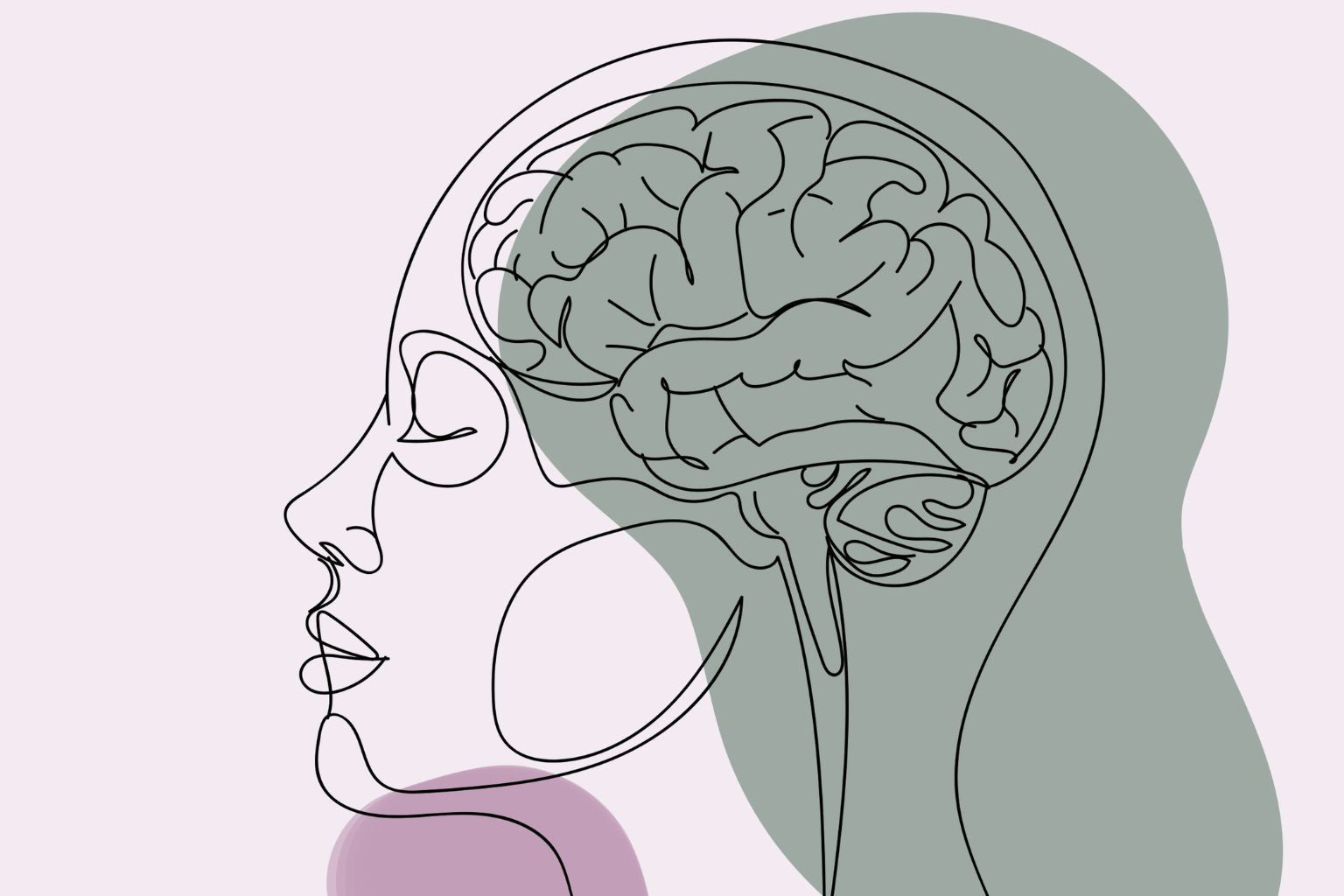
Perhaps you’ve noticed that your stomach acts up precisely when your daily life is particularly hectic. This is no coincidence. The gut and the brain are constantly connected via what’s known as the gut-brain axis. Persistent stress can therefore affect bowel movements, increase sensitivity to pain, and exacerbate existing symptoms. However, this doesn’t mean that irritable bowel syndrome is “just psychological.” Rather, the gut and the nervous system influence each other. That’s why relaxation techniques such as breathing exercises, meditation, yoga, or regular walks can be a helpful addition for many people with this condition.
4. Medicinal plants can help support gut health naturally
In addition to a balanced diet, many people are looking for additional ways to support their gut naturally. Traditionally, various medicinal plants have been used to support the digestive tract. These include, for example, fennel, caraway, chamomile, and peppermint, which have long been used to treat digestive complaints. When stress is a factor, some people also turn to medicinal plants such as lemon balm, which is traditionally used to promote calm and relaxation.