

When Muscles Lose Control
Almost everyone has experienced a muscle suddenly contracting and being unable to relax for seconds or minutes. Muscle cramps often seem to appear out of nowhere, especially at night or after physical exertion. But this painful occurrence is usually no accident.
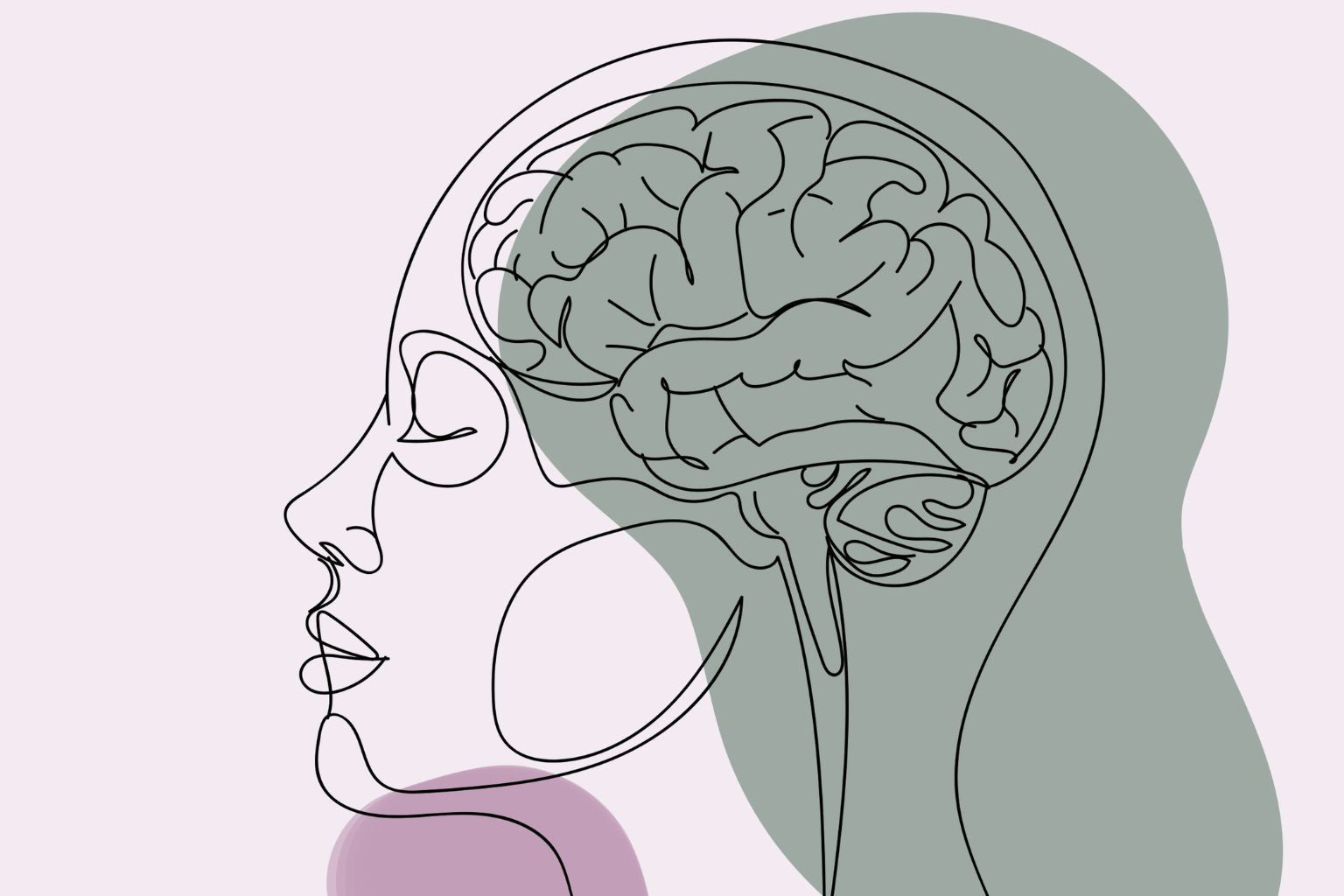
A muscle cramp occurs when muscle fibers are activated uncontrollably and can no longer relax normally. It is not just the muscle itself that plays a role here. The key factor is the communication between the nervous system, mineral balance, and the muscles. If one of these systems becomes unbalanced, normal control can be disrupted. Muscle cramps are therefore often an indication that the body is reacting to stress or an imbalance.
Causes and Connections
Muscle cramps rarely have a single cause. Often, several factors interact simultaneously.
Typical symptoms or signs
The symptoms are often not limited to the cramp itself. Accompanying symptoms frequently provide clues to the underlying causes.
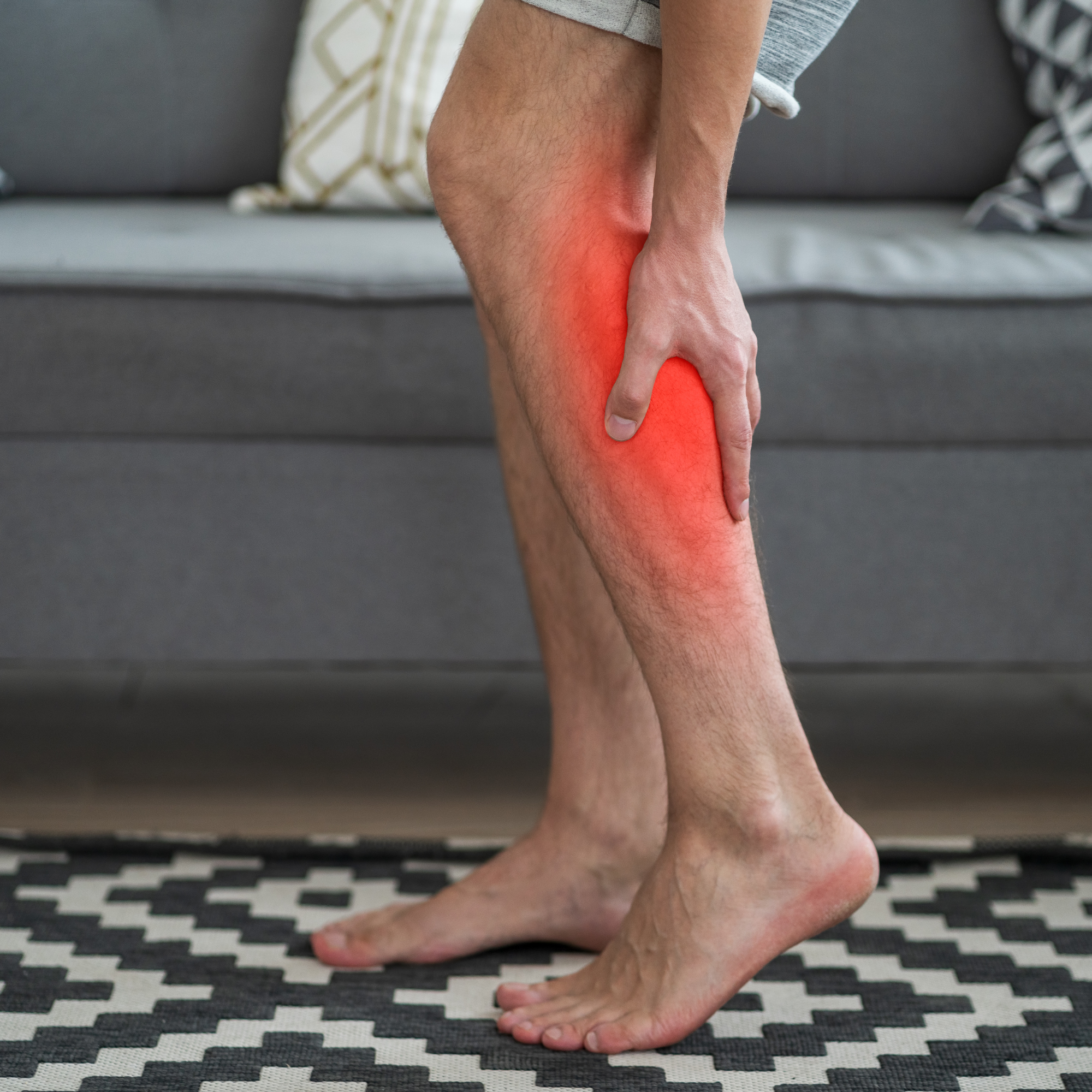
1. Calf cramps occur particularly frequently at night
Nighttime calf cramps are among the most common types. Many people are jolted awake by a sudden, shooting pain.
Interestingly, these cramps often occur during periods of deep relaxation. This suggests that not only physical exertion but also changes in muscle control may play a role.
2. Exercise-related cramps often occur during sports
Cramps during or after physical activity are often a sign that muscles were strained more than they could compensate for.
This is not just a matter of poor fitness. Fluid loss, insufficient recovery, or unfamiliar movements can also influence the muscle’s response.
3. Recurring muscle twitches can be warning signs
Many people report subtle muscle twitches or a feeling of tension in the affected area before a cramp.
These signals indicate that the muscles are already reacting more sensitively to stimuli. If such warning signs are noticed more frequently, it’s worth taking a closer look at possible triggers.
4. Cramps in multiple parts of the body deserve attention
If cramps occur not only in the calves but also in the arms, back, or feet, this may indicate a more widespread imbalance.
In such cases, metabolic processes, electrolytes, or neurological factors often play a greater role than simple muscle overload.
What can help in everyday life
Many measures aim to support the interaction between muscles, the nervous system, and metabolism.
1. Stay well-hydrated
Adequate fluid intake is one of the most important foundations for normal muscle function. The need for fluids increases significantly, especially on warm days or during physical activity.
2. Ensure a balanced intake of minerals
Magnesium is often the focus, but potassium, calcium, and other minerals also contribute to normal muscle and nerve function.
A varied diet usually provides the best foundation for a balanced intake.
3. Take advantage of regular exercise
Muscles benefit from regular activity. Exercise improves blood circulation, supports metabolism, and can help correct muscular imbalances.
Moderate and consistent exercise is particularly beneficial.
4. Stretching and relaxation exercises
Targeted stretching exercises can help maintain flexibility and counteract muscle tightness.
At the same time, relaxation techniques help reduce the impact of stress on the muscles.
5. Have recurring symptoms evaluated
If cramps occur regularly, are unusually severe, or are accompanied by other symptoms, the cause should be medically evaluated.

Small daily habits can make an important contribution to preventing muscle cramps and promoting muscular well-being.
Natural support and medicinal plants
Naturopathy often views muscle cramps as an expression of an imbalance between the nervous system, muscles, and regulatory processes. Medicinal plants and naturopathic remedies cannot replace a medical evaluation but are traditionally used as complementary support. The focus is less on short-term symptom control and more on promoting relaxation, regeneration, and well-being.

Whether it’s verbena, mandrake, or coloquintida—many natural substances are traditionally used in approaches focused on muscle health and regeneration.
- Verbena is traditionally used when muscular tension is linked to stress or inner restlessness. That is why it plays a role in naturopathic approaches focused on relaxation and balance.
- Meadowsweet has long been used for conditions associated with the musculoskeletal system and physical exertion.
- Magnesium phosphoricum is frequently associated with muscle relaxation and nervous balance in naturopathic applications.
- Cuprum sulfuricum is traditionally used for recurrent cramps and is therefore found in various naturopathic approaches.
- Alraune has historically been associated with muscular complaints and tension. Due to its unique properties, it plays a role today primarily in specific naturopathic traditions.
- Cucumber is traditionally used when cramp-like symptoms are the primary concern and is therefore found in various naturopathic approaches.