


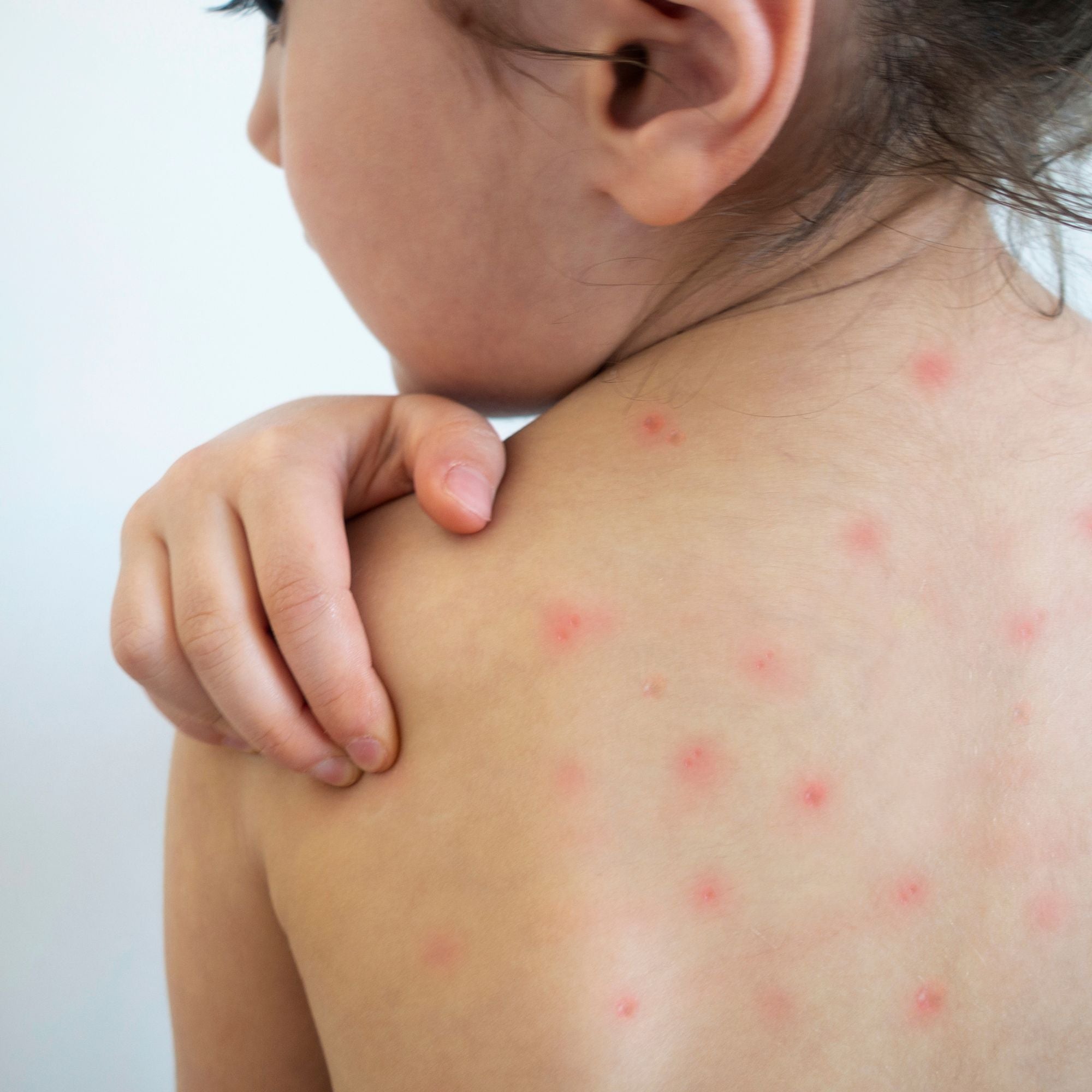
Why Chickenpox Is More Than Just a Harmless Childhood Rash
Many people associate chickenpox with a typical childhood illness that you “just go through once.” In reality, however, it is caused by a virus that often stays with the body for life.
The disease is caused by the varicella-zoster virus, which belongs to the herpesvirus family. After infection, the virus initially multiplies in the mucous membranes and lymph nodes before reaching the skin via the bloodstream. This is where the characteristic blisters form.
What’s unique is that even long after the illness has healed, the virus remains in certain nerve cells. It is kept in check by the immune system but can become active again years or decades later. When it does, it no longer manifests as chickenpox but as shingles.
Chickenpox is therefore not just a short-term skin condition, but a manifestation of a complex interaction between the virus and the immune system.
Why the virus spreads so easily from person to person
Chickenpox is one of the most contagious infectious diseases of all. The reason lies in the virus’s unique characteristics.
1. The virus uses the air we breathe as a means of transmission
Unlike many other pathogens, the varicella-zoster virus does not require direct physical contact. When a person coughs, sneezes, or speaks, tiny droplets containing the virus are released into the air.
As a result, people can become infected even without having directly touched an infected person. This is precisely where chickenpox gets its name: In the past, it seemed as though the pathogens were transmitted by the wind.
2. Contagious Before the First Blisters Appear
A common misconception is that people are only contagious once the rash appears.
In fact, contagiousness usually begins one to two days earlier. At this stage, those affected often feel only slightly tired or run-down. The virus can therefore spread before anyone even suspects chickenpox.
3. The immune system determines the course of the disease
Not every person reacts to the infection in the same way. Children usually experience an uncomplicated course of the disease. In adults, the immune response is often more severe, which can be associated with a higher risk of complications.
Pregnant women, newborns, and people with weakened immune systems also require special attention. In these individuals, viral replication is harder to control, making more severe cases more likely.

The main transmission routes and risk factors for chickenpox at a glance.
How to recognize chickenpox
The symptoms are not caused solely by the virus itself. A large portion of the symptoms is caused by the immune system’s reaction.
1. The typical rash develops in several stages
Chickenpox has a characteristic appearance.
First, small red spots appear. Within a short time, these develop into fluid-filled blisters, which later burst and form scabs.
Interestingly, all stages are often present on the skin at the same time. Doctors sometimes refer to this as the “starry sky pattern” because spots, blisters, and scabs are visible side by side.
2. Itching is a sign of an active inflammatory reaction
Many people affected find the itching more bothersome than the blisters themselves.
This is caused by signaling molecules from the immune system that are released during the inflammatory response. They activate certain nerve endings in the skin and trigger the typical sensation of itching.
This is precisely why scratching can provide short-term relief but cause new problems in the long run.
3. Fatigue and fever indicate that the immune system is at work
Before skin changes become visible, general symptoms often appear.
These include:
- Fatigue
- Exhaustion
- Mild fever
- Loss of appetite
- Feeling unwell
These symptoms occur because the immune system produces large amounts of messenger substances to curb viral replication.
4. Broken blisters increase the risk of infection
The blisters act as a natural protective layer over the inflamed areas of skin.
If they are scratched open, small open sores form. This makes it easier for bacteria to penetrate the skin and cause additional skin infections. At the same time, the risk of subsequent scarring increases.
These measures can make daily life with chickenpox easier
Chickenpox cannot be “cured” by a single measure. However, many small steps can help reduce skin irritation and support healing.
1. Control itching early on
The more intense the itching becomes, the greater the risk of scratching.
Cooling compresses or lukewarm baths can help reduce the activity of the irritated skin nerves. This often provides noticeable relief.
2. Protect the skin barrier
The skin plays an important protective role during a chickenpox infection.
Perfumed skincare products or harsh cleansers can further irritate skin that’s already sensitive. Mild products with minimal irritants help maintain the skin’s natural barrier.
3. Keep fingernails short
Especially in children, scratching often happens unconsciously—even while sleeping.
Short fingernails reduce the risk of deep skin injuries and can help prevent scarring.
4. Ensure the skin gets adequate rest
Tight clothing or heavy sweating can further irritate the skin.
Loose, breathable fabrics reduce mechanical stress and help minimize irritation to sensitive skin areas.
5. Take warning signs seriously
Increasing pain, severely reddened areas of skin, a high fever, or noticeable worsening of symptoms should be evaluated by a doctor.
Such changes may indicate additional infections or complications.

5 Steps for Chickenpox: Early itch control, protecting the skin barrier, keeping fingernails short, allowing the skin sufficient rest, and recognizing warning signs promptly can help reduce discomfort and support skin regeneration.
Natural Support and Medicinal Plants
In naturopathy, various medicinal plants are traditionally used to support the management of skin irritation, itching, and regeneration processes. The focus here is not on combating the virus, but rather on providing supportive care for the skin and promoting general well-being.

Traditionally used medicinal plants for chickenpox: Cardiospermum, chamomile, rockrose, poison sumac, chickweed, and swallowwort are frequently used in naturopathy to help manage skin irritation, itching, and skin regeneration.
- Cardiospermum (heartseed) is frequently used in naturopathy for itchy and irritated skin. The plant is traditionally used to help soothe skin reactions.
- True chamomile has been used for centuries to treat irritated skin. It is particularly valued for its skin-nourishing and soothing properties.
- Cistus has a long tradition in skin care and is frequently used for sensitive skin.
- Poison sumac is traditionally used in homeopathic and naturopathic applications for skin conditions accompanied by itching.
- Chickweed is frequently used in naturopathic preparations due to its cooling and skin-soothing properties.
- Lamb’s-quarters is traditionally used in connection with the immune system and recurring viral infections.