

What is gastritis?
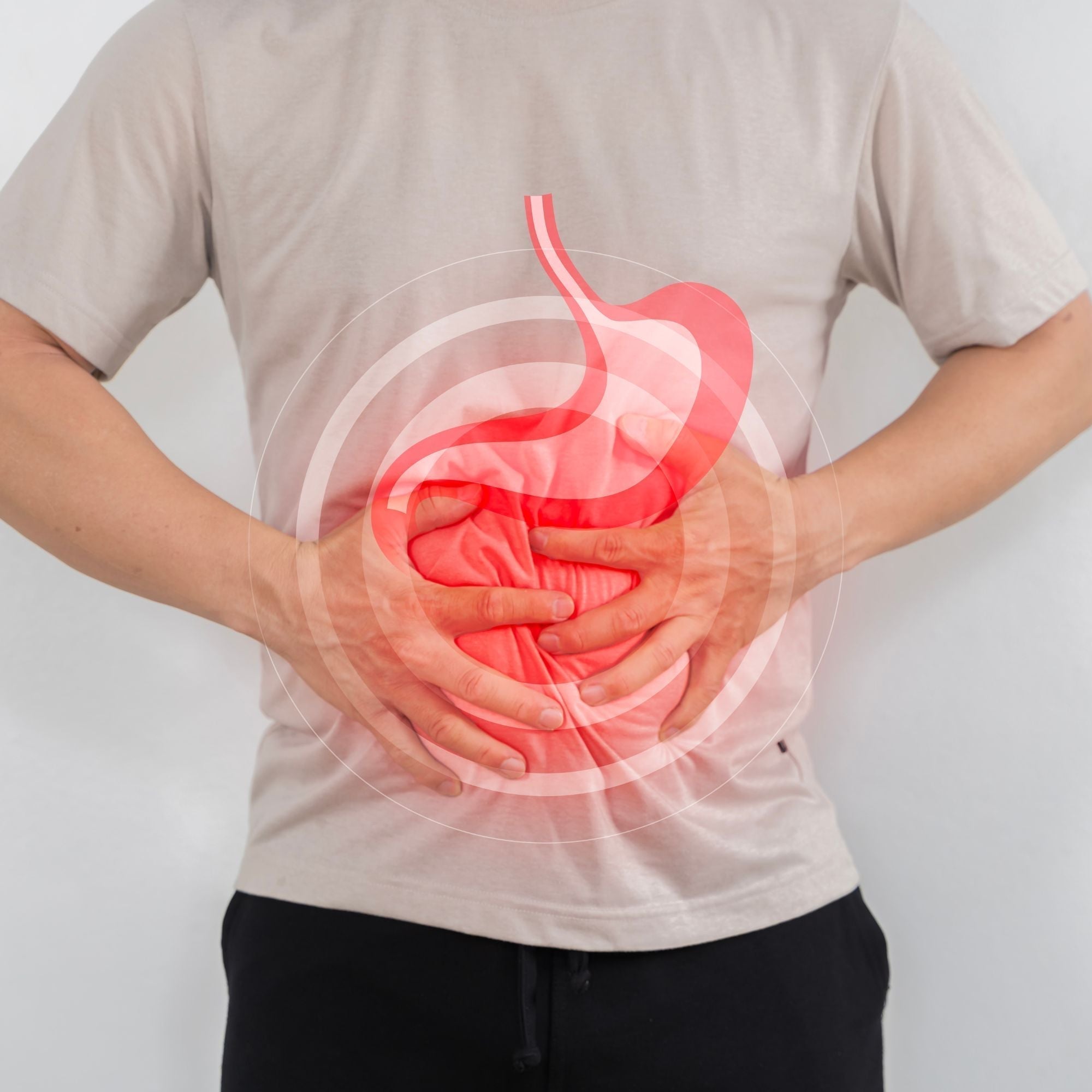
The stomach lining protects the stomach wall from aggressive stomach acid. In gastritis, this protective layer becomes irritated or inflamed, putting greater strain on the sensitive stomach wall.
Symptoms can appear suddenly or develop over a longer period of time. While some people experience symptoms only occasionally, others suffer from recurring symptoms for weeks or months.
Causes of gastritis
Gastritis can be caused by various factors. Often, several factors affect the stomach lining at the same time.
1. Helicobacter pylori
One of the most common triggers is the bacterium Helicobacter pylori. It can impair the protective function of the stomach lining and promote inflammation. Many people carry the bacterium without developing any symptoms.
2. Medications, alcohol, and nicotine
Certain pain relievers, such as ibuprofen or acetylsalicylic acid, can irritate the stomach lining. Alcohol and nicotine are also associated with increased strain on the stomach and can exacerbate existing symptoms.
3. Stress and lifestyle
While stress does not directly cause all cases of gastritis, it can exacerbate symptoms and hinder recovery. Many people report that their symptoms worsen, particularly during stressful periods in their lives.
4. Autoimmune Reactions and Reflux
In some cases, the immune system attacks the body’s own stomach lining cells. Stomach acid reflux can also further irritate the lining and promote inflammation. If you experience regular heartburn, you should consult a doctor to determine the cause.
Typical Symptoms of Gastritis
Symptoms can vary from person to person. Often, several symptoms occur at the same time.
1. Stomach pain and a feeling of pressure
Many people report a burning, stabbing, or feeling of pressure in the upper abdomen. These symptoms may occur especially between meals or on an empty stomach.
2. Nausea and bloating
An irritated stomach lining can interfere with digestion. This can lead to nausea, loss of appetite, or an unpleasant feeling of fullness after eating.
3. Heartburn and belching
When stomach acid enters the esophagus, it can cause a burning sensation behind the breastbone. This is often accompanied by acid reflux or an unpleasant taste in the mouth.
4. Bloating and Digestive Discomfort
Many people with gastritis also suffer from bloating, increased gas, or a generally sensitive digestive system. Similar symptoms may also indicate irritable bowel syndrome.

Gastritis can manifest as stomach pain, nausea, heartburn, or digestive discomfort. Symptoms vary from person to person and can differ in intensity.
What helps with gastritis in everyday life?
In addition to medical treatment, everyday habits can also help relieve stomach discomfort.
1. Eat foods that are gentle on the stomach
Easily digestible foods such as oatmeal, rice, potatoes, cooked vegetables, or bananas are better tolerated by many people with gastritis than heavily spiced or fatty foods.
2. Reduce irritating foods
Alcohol, nicotine, very hot spices, highly processed foods, and large amounts of coffee can put additional strain on the stomach lining.
3. Opt for smaller meals
Several smaller meals spread out over the course of the day are often better tolerated than a few large portions. This puts less strain on the stomach.