

What is an overactive bladder?
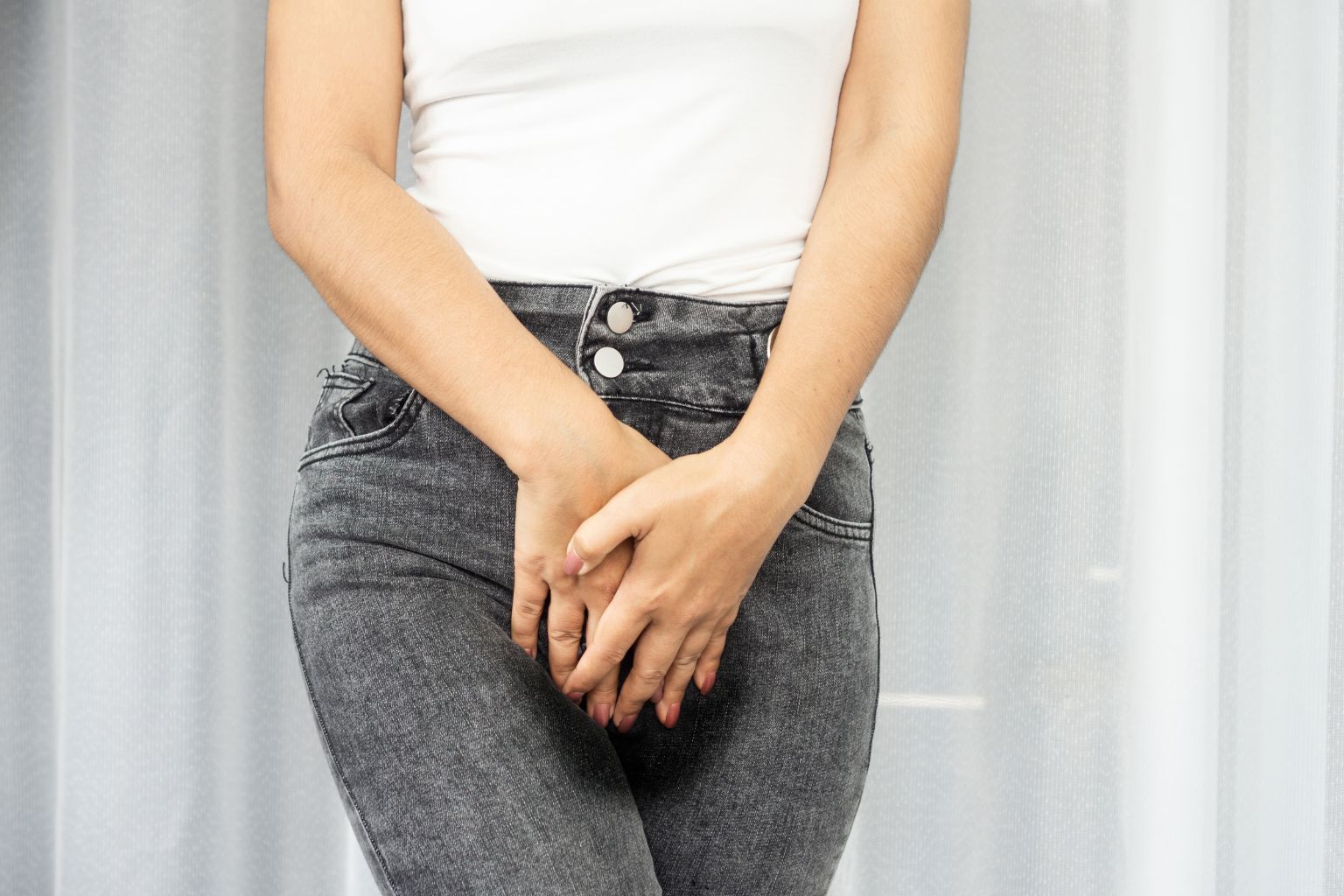
An overactive bladder, also known as an OAB, is a bladder dysfunction characterized by a frequent and sudden urge to urinate. Those affected often feel an urgent need to use the restroom—even when the bladder is not yet completely full.
Typical symptoms include frequent urination, a strong urge to urinate, and in some cases, involuntary urine leakage or bladder spasms. These symptoms can significantly disrupt daily life and reduce quality of life.
In addition to a medical evaluation, pelvic floor exercises, targeted lifestyle changes, and avoiding irritating substances can help.
Typical symptoms of an overactive bladder
An overactive bladder is characterized by impaired function of the bladder muscles. It is primarily manifested by frequent and sudden urges to urinate. These symptoms can severely disrupt daily life and should be evaluated by a doctor if pain or uncertainty is present.
1. Frequent urination
Those affected often need to use the restroom very regularly—sometimes every one to two hours or even more frequently.
2. Sudden urge to urinate
The urge to urinate can occur very suddenly, even when there is only a small amount of fluid in the bladder.
3. Involuntary Urine Leakage
If the urge to urinate is very strong, it may not be possible to hold urine in time.
4. Nighttime Urge to Urinate
Many people wake up multiple times at night because they need to use the restroom. This can disrupt sleep and rest.
5. Pain and Bladder Spasms
In some cases, pain in the lower abdomen or bladder spasms occur during or after urination.

Typical symptoms of an overactive bladder range from a frequent urge to urinate to bladder spasms. These symptoms can interfere with daily life and should be evaluated by a doctor if you are unsure.
Possible causes of an overactive bladder
An overactive bladder can have various causes. Age-related changes, hormonal influences, or certain medical conditions often play a role. Lifestyle factors and stress can also contribute to the symptoms.
1. Aging processes
As we age, bladder muscle tone and bladder capacity may decline. This often leads to a more frequent and urgent need to urinate.
2. Diseases of the bladder and urinary tract
Urinary tract infections or bladder stones can irritate the bladder and lead to frequent urges to urinate.
3. Neurological diseases
Conditions such as Parkinson’s disease, multiple sclerosis, or the aftermath of a stroke can impair bladder control.
4. Hormonal changes
Women are particularly affected during menopause. Hormonal changes can affect bladder function.
5. Irritating foods and medications
Caffeine, alcohol, spicy spices, or carbonated beverages can irritate the bladder. Certain medications can also exacerbate symptoms.
6. Stress and psychological strain
Stress, anxiety, or emotional strain can also affect bladder function and increase the urge to urinate.
Diagnosis of an overactive bladder
The diagnosis of an overactive bladder usually begins with a detailed consultation with a doctor. During this consultation, the nature, duration, and frequency of the symptoms are recorded, among other things. Subsequently, a physical examination and a urine test may be performed to to rule out other causes.
Since similar symptoms can also be caused by conditions such as urinary tract infections, bladder stones, diabetes, neurological disorders, or hormonal changes, a thorough evaluation is particularly important.
Depending on the findings, further tests may be necessary. These include, for example, measuring urine flow (uroflowmetry), a cystoscopy, or, in men, an examination of the prostate. The goal of diagnosis is to rule out other conditions and pinpoint the cause of the symptoms as accurately as possible.
Everyday tips and natural support for an overactive bladder
In addition to medical evaluation, various measures can help relieve the bladder in daily life and reduce symptoms.
1. Drink enough
fluids Adequate fluid intake supports the urinary tract and helps flush the bladder regularly. Water and other beverages that are as mild as possible are particularly suitable. However, drinking large amounts of fluid shortly before bedtime should be avoided.
2. Reduce irritating foods
Caffeine, alcohol, hot spices, carbonated beverages, or artificial sweeteners can further irritate the bladder. Many people with this condition benefit from reducing these triggers.
3. Maintain a balanced diet
A diet rich in vegetables, fruits, whole grains, and high-quality protein sources can support overall well-being. Maintaining a healthy body weight can also have a positive effect on bladder function.
4. Strengthen the pelvic floor
Targeted exercises to strengthen the pelvic floor can help improve bladder control and counteract involuntary urine leakage.
5. Reduce stress
Stress can exacerbate the symptoms of an overactive bladder. Getting enough sleep, exercising, and taking intentional breaks can help relieve strain on the body and nervous system.
6. Traditional home remedies
Nettle tea, cranberry products, and blueberries are also traditionally used to support the urinary tract and are very popular among many people with this condition.

Everyday Tips for Irritable Bladder: Even small changes in daily life can help relieve the bladder and urinary tract and promote well-being.
Naturopathic support for an overactive bladder
An overactive bladder can significantly disrupt daily life due to frequent urges to urinate and the constant need to use the restroom. In naturopathy, various medicinal plants have long been used to support bladder function and gently support the urinary tract.
The spagyric essences from Zimply Natural follow precisely this holistic approach: Produced according to the traditional methods of Dr. Zimpel and Glückselig, they combine selected medicinal plants to naturally support the bladder, urinary tract, and overall well-being.

Selected medicinal plants can naturally support the bladder and urinary tract and promote well-being in cases of an overactive bladder.
- Monk’s pepper is traditionally used to support hormonal balance, particularly during menopause.
- Echinacea is traditionally used to support the immune system and natural Used to
- support
- the immune system.
- Horsetail is traditionally valued in naturopathy for supporting the bladder and urinary tract
- . Silver birch is traditionally used to promote elimination and support the urinary tract
- . Meadowsweet is traditionally used to treat inflammatory conditions and is valued for its soothing properties.
- Kava-kava is traditionally used to promote relaxation and inner calm.