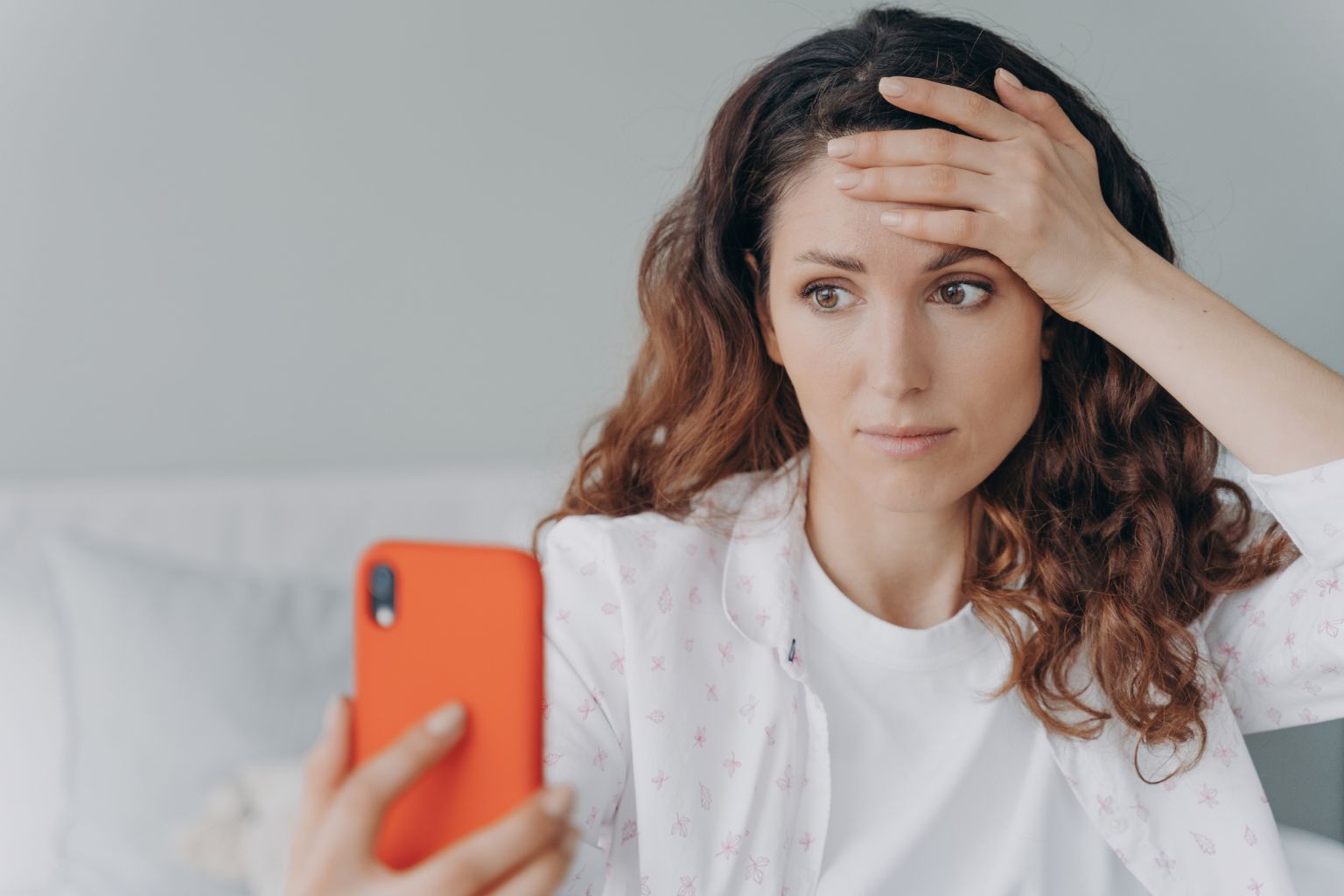



Why Fear Is a Protective Mechanism of the Body
Many people view fear as something negative. In fact, however, it is one of the most important protective mechanisms in humans. Without fear, we would be less able to recognize dangers and would often make riskier decisions.
The real problem arises not from the fear itself, but from an alarm response that remains active even though there is no immediate threat. The body then continues to react with tension, even though the danger is long past or was never real.
This is precisely why anxiety disorders often feel so burdensome to those affected: the body behaves as if it must constantly protect itself.
Causes and Connections
Anxiety rarely arises from a single trigger. Most often, biological, psychological, and external factors interact.
1. The brain reacts to perceived threats
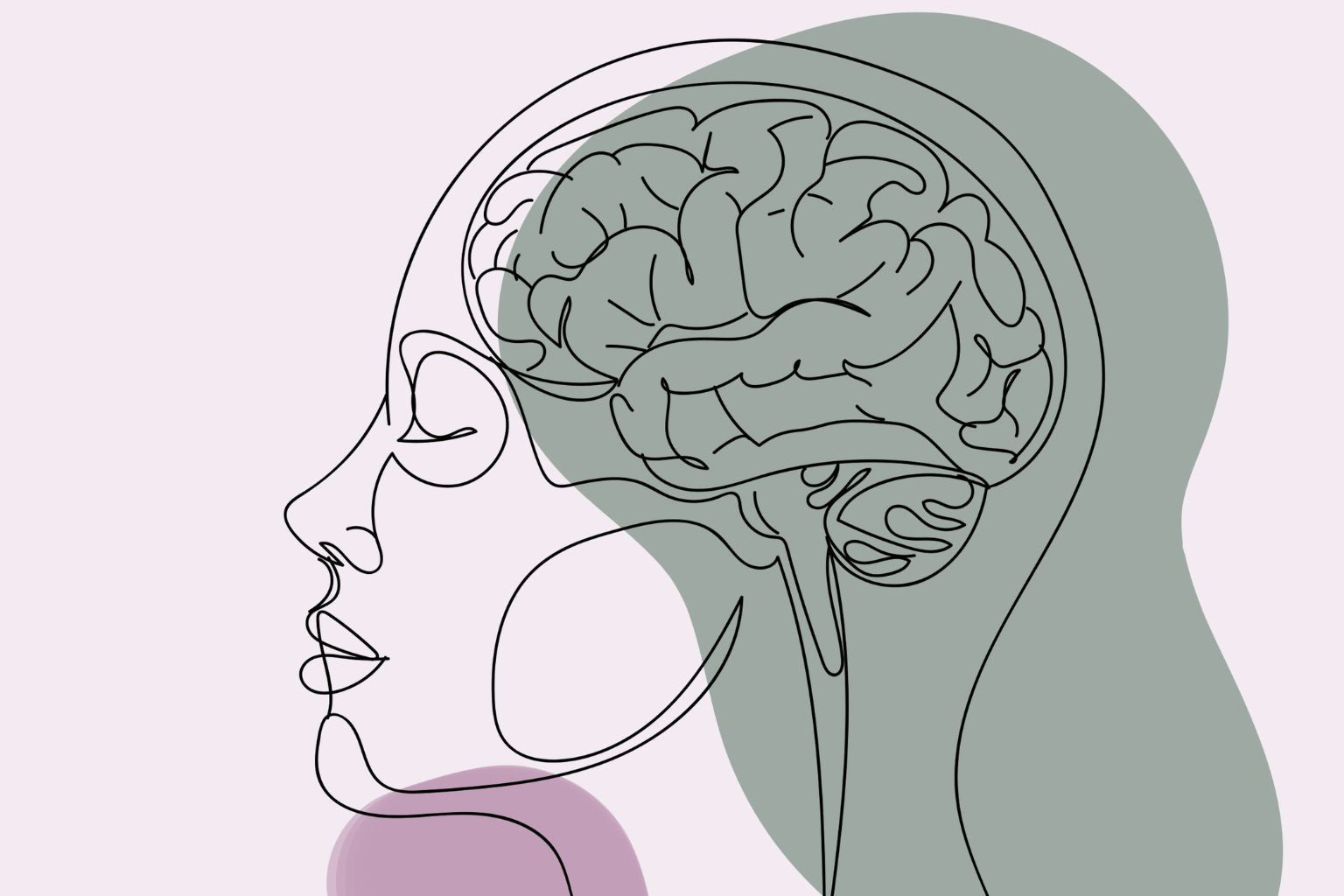
The brain’s anxiety center constantly assesses whether a situation is safe or dangerous. If something is classified as a threat, the body activates the so-called “fight-or-flight” response within seconds.
Heart rate, breathing, and muscle tension increase to prepare the body for rapid action. This mechanism is fundamentally useful, but it can become hypersensitive.
2. Stress can permanently activate the alarm system
Prolonged stress is one of the most common factors contributing to anxiety. Work-related pressure, family stress, or health concerns can prevent the nervous system from finding rest.
The longer this state persists, the more easily the body reacts with anxiety even to minor stressors.
3. Experiences Shape How We Deal with Anxiety
The brain learns from experience. People who repeatedly experience stressful situations or remain constantly tense after difficult events may be more likely to perceive certain situations as dangerous in the future.
This often creates a cycle of anxiety, avoidance, and renewed anxiety.
4. Avoidance Often Unconsciously Intensifies Anxiety
Many people affected by anxiety try to avoid situations that trigger it. In the short term, this brings relief.
In the long term, however, the brain does not learn that the situation was actually harmless. As a result, the anxiety persists or even increases.
Typical symptoms or signs
Anxiety affects more than just one’s thoughts. It can manifest throughout the entire body.
1. A racing heart and inner restlessness are among the most common signals
When the nervous system is activated, the heart beats faster and the muscles tense up. Many people experience this as intense inner restlessness or nervousness.
These reactions are unpleasant, but biologically they serve to prepare the body for a potential danger.
2. Rumination can intensify anxiety
Anxiety alters perception. The brain focuses more intensely on potential risks and often filters out reassuring information.
This creates a spiral of thoughts that can further intensify the anxiety.
3. Sleep problems and exhaustion are common consequences
People who are constantly tense often have a harder time falling into restful sleep. At the same time, the body consumes more energy due to this constant state of alertness.
The result can be fatigue, difficulty concentrating, and reduced resilience.
4. Avoidance behavior restricts daily life
Many people begin to avoid certain places or situations. As a result, social interactions, leisure activities, and work responsibilities become increasingly limited.
Anxiety then increasingly dominates daily life.

Anxiety can manifest itself both physically and psychologically—typical signs range from a racing heart and rumination to sleep problems and increasingly avoidant behavior in daily life.
What helps in daily life?
Even though anxiety is experienced individually, there are some strategies that can help many people affected by it.
1. Conscious breathing calms the nervous system
Slow, controlled breaths can signal to the body that there is no immediate danger. This often reduces physical tension.
2. Exercise reduces stress hormones.
Regular physical activity can help relieve excess tension and positively influence mood.
Even daily walks can make a noticeable difference.
3. Mindfulness brings your focus back to the present
Anxiety often centers on future events. Mindfulness exercises help consciously direct attention to the present moment.
4. Structure provides security
Fixed routines and a manageable daily schedule can strengthen the sense of control and reduce uncertainty.
5. Accepting support is an important step
Persistent or severely distressing anxiety should not be dealt with alone. Talking with trusted people or seeking professional support can help develop new coping strategies.
Conscious breathing, exercise, mindfulness, structured routines, and social support can help relieve stress on the nervous system and make it easier to manage anxiety in everyday life.
Natural Remedies and Medicinal Plants
In naturopathy, various medicinal plants are traditionally used in treatments designed to promote relaxation, inner peace, and emotional balance. They are not a substitute for medical or psychotherapeutic treatment, but they can be part of a holistic approach.

Wild jasmine, kava-kava, caraway, and valerian are traditionally used in naturopathy to promote inner peace, relaxation, and general well-being during stressful times.
- Wild jasmine is traditionally associated with relaxation and emotional balance. Its scent, in particular, plays a role in various naturopathic applications.
- Kava-Kava is used in some traditional medical systems to treat inner restlessness and tension. Due to potential risks, its use should always be supervised by a qualified professional.
- Caraway is primarily associated with digestive processes. Since anxiety often affects the gastrointestinal tract as well, the plant is considered in relevant naturopathic approaches.
- Valerian is one of the best-known medicinal plants for relaxation and sleep. It is traditionally used to treat nervousness and inner restlessness.