

Why COPD Permanently Changes Breathing
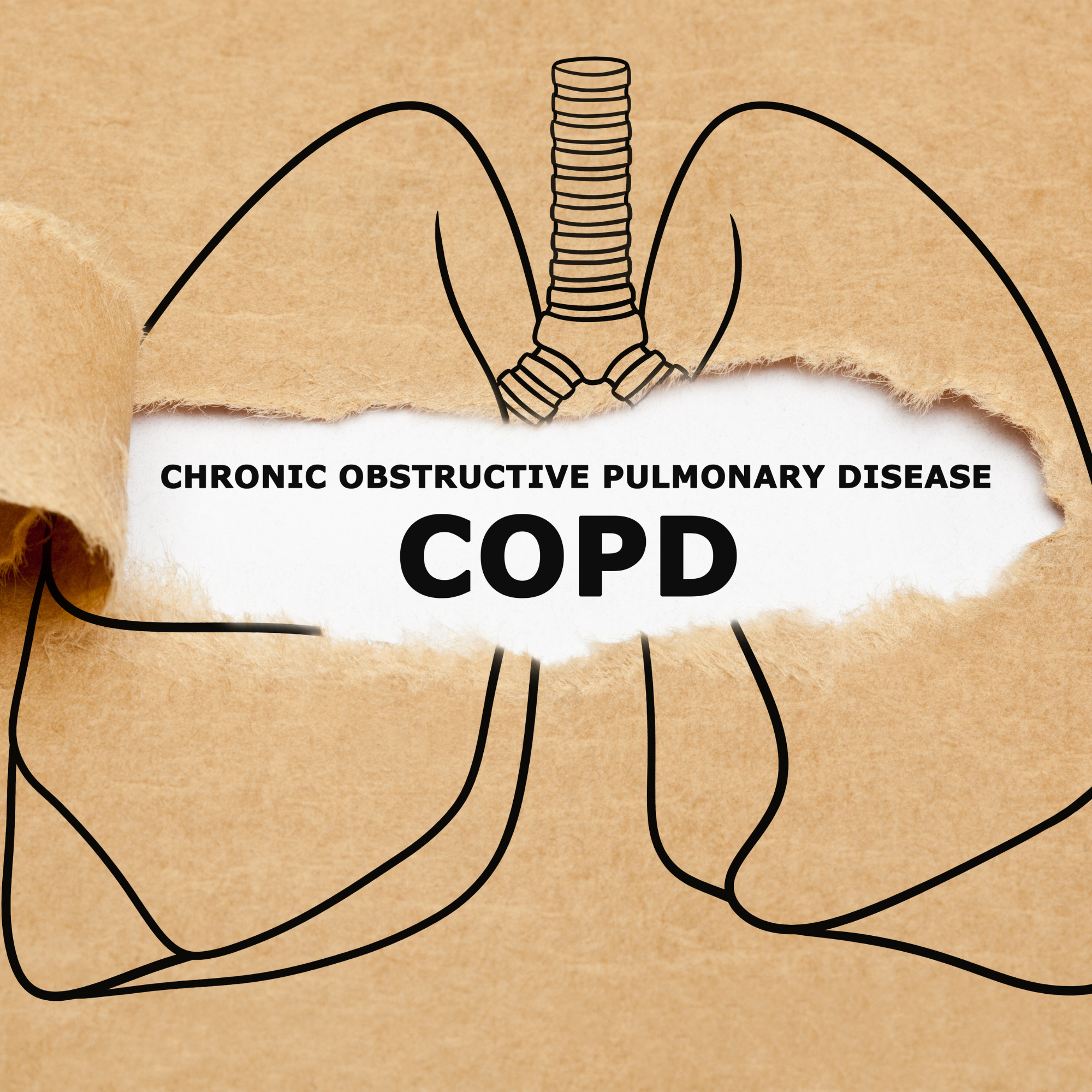
Many people associate COPD primarily with coughing or shortness of breath. In fact, however, there is a complex process behind it that fundamentally alters how the lungs function.
In COPD (chronic obstructive pulmonary disease), the airways are permanently narrowed. At the same time, inflammatory processes and structural changes can prevent air from escaping the lungs unimpeded. What makes this unique is that for many people with COPD, the biggest problem isn’t breathing in, but breathing out.
When air remains trapped in the lungs, hyperinflation gradually develops. The respiratory muscles must work harder and harder to exchange enough air. As a result, even a simple activity like climbing stairs or going shopping can become significantly more strenuous.
COPD therefore affects more than just the lungs. The disease impacts physical endurance, mobility, sleep quality, and often general well-being as well.
Causes and Interrelationships
The symptoms of COPD are not caused by a single trigger. Rather, several biological processes interact and reinforce one another.
1. Chronic inflammation alters the airways
A key mechanism in COPD is long-lasting inflammatory reactions in the bronchi. These can cause the mucous membranes to swell and the airways to narrow.
This increases resistance to breathing. Air can no longer circulate as freely as it does in healthy lungs. This effect is particularly noticeable during exhalation because the bronchi can collapse more easily.
Many people with COPD initially notice only a reduced ability to exercise. In fact, the changes in the airways often began long before that.
2. Mucus Production Becomes an Additional Obstacle
The airways normally have a sophisticated cleansing system. Mucus traps inhaled particles, while tiny cilia transport them back out.
In COPD, this system can be disrupted. At the same time, the bronchi often produce more mucus than usual. The mucus often becomes thicker and harder to cough up.
This creates a vicious cycle: mucus makes breathing more difficult, intensifies the urge to cough, and can further impair the airways’ natural cleansing process.
3. Air remains trapped in the lungs
A frequently underestimated aspect of COPD is what’s known as lung hyperinflation.
When the airways are narrowed, exhalation is no longer complete. Some of the air remains trapped. With every breath, new air enters while old air cannot escape completely.
The result: the respiratory muscles work increasingly inefficiently. Many people with COPD describe the feeling of not getting enough air despite taking deep breaths. This phenomenon explains a large part of the typical shortness of breath.
Typical Symptoms or Signs
These symptoms do not occur by chance. Every symptom can be traced back to changes in the airways and in gas exchange.
1. Why coughing is often one of the first signs
Coughing is a protective reaction of the body. It is intended to clear mucus, particles, and irritants from the airways remove.
In COPD, this reflex is permanently activated because the bronchi are constantly irritated. Many people with COPD therefore develop a persistent cough, which can be particularly pronounced in the morning.
Interestingly, coughing is often perceived as a bothersome isolated problem. In fact, however, it indicates that the airways are continuously trying to clear themselves.
2. Why Thick Mucus Makes Breathing Difficult
Mucus is generally beneficial. It only becomes problematic when it is produced in large quantities or is difficult to clear.
Thick mucus can partially block the airways. This impedes airflow and intensifies the sensation of a “chest full of mucus.”
Many people with COPD also report frequent throat-clearing or the impression that they can never fully cough up the mucus. This sensation is often linked to impaired self-cleaning of the bronchi.
3. Shortness of breath isn’t caused solely by a lack of oxygen
Shortness of breath is one of the most distressing symptoms of COPD. It’s not just the oxygen level in the blood that plays a role.
A key factor is the increased effort required to breathe. The respiratory muscles must work against narrowed airways while simultaneously moving an overinflated lung.
As a result, even minimal physical exertion can trigger the sensation of becoming short of breath. Many people consequently reduce their activity—which, in the long term, can in turn reduce physical performance.
4. Chest tightness and fatigue share a common cause
Many people with COPD describe a feeling of pressure or tightness in the chest. This sensation is often caused by changes in breathing mechanics and increased strain on the respiratory muscles.
Since breathing requires more energy than usual, many people with COPD feel exhausted more quickly. Fatigue is therefore often not merely a side effect, but a direct consequence of the increased physical strain.
What Can Help in Everyday Life
COPD cannot be cured with home remedies. Nevertheless, certain measures can help manage symptoms more effectively and improve quality of life.
1. Drinking enough fluids helps thin mucus
Fluids play an important role in the consistency of mucus.
Many people with COPD find it helpful to drink regularly throughout the day. This can make the mucus less thick and easier to cough up.
Warm beverages are also often found to be soothing, as they can moisturize the mucous membranes and soothe the throat.
2. Breathing techniques can reduce the effort required to breathe
Targeted breathing exercises are among the most important non-medicinal measures for COPD.
The pursed-lip technique is particularly well-known. This involves exhaling slowly through slightly pursed lips. This can help keep the airways open longer and make exhalation easier
Many people with COPD report feeling a greater sense of control in situations where they experience shortness of breath.
3. Exercise protects against the vicious cycle of inactivity
Shortness of breath often leads people to avoid physical activity. While this may seem sensible in the short term, it can have negative consequences in the long run.
People who are less active lose muscle strength and endurance. This makes everyday tasks even more strenuous.
Adapted exercise—such as walks or pulmonary rehabilitation exercises—can help maintain physical performance for as long as possible.
4. Indoor air affects the airways more than many people realize
Dry air can further irritate the mucous membranes.
Regular ventilation, a comfortable indoor climate, and sufficient Many people with respiratory diseases therefore find that humidity is soothing.
It’s especially important to pay attention to indoor air quality during the heating season.
5. Rest periods help the respiratory muscles
Since breathing requires more energy in people with COPD, intentional rest periods can be beneficial.
This isn’t about complete rest, but rather a balanced alternation between activity and recovery. People who pace themselves better are often better able to cope with physical demands and avoid overexertion.

Small steps can make a noticeable difference in everyday life. Regular habits play an especially important role in managing chronic respiratory conditions.
Natural Support and Medicinal
Plants Medicinal plants have been used for centuries to treat respiratory ailments. Their traditional use is often based on experience from European herbal medicine and other naturopathic systems.
However, it is important to maintain a realistic perspective: Herbal remedies can be used as a supportive measure but are no substitute for a medical diagnosis or treatment. Their primary value lies in promoting general well-being and complementing other daily self-care practices.

Traditionally used medicinal plants and natural substances that play a role in naturopathic approaches to the respiratory tract and bronchi.
- Sage (Salvia officinalis) is traditionally used for irritation in the mouth, throat, and pharynx. In connection with respiratory complaints, it is frequently used as a tea or gargle.
- Sundew (Drosera) has a long tradition in naturopathic approaches to coughs and irritated bronchi. For this reason, it is still found today in various herbal preparations.
- Masterwort (Peucedanum ostruthium) has long been valued in Alpine folk medicine. Traditionally, it is associated with respiratory and cold-related symptoms.
- Heartseed (Cardiospermum halicacabum) is valued in naturopathy primarily for its balancing properties. It is frequently used in holistic approaches designed to support general well-being.
- PotassiumChloride ( ) is traditionally used in naturopathic practices for mucous membrane issues and is often associated with respiratory ailments.
- Potassium Sulfuricum is traditionally used when excretory and mucosal processes are the primary focus. For this reason, it is used in various naturopathic treatments for respiratory conditions.