

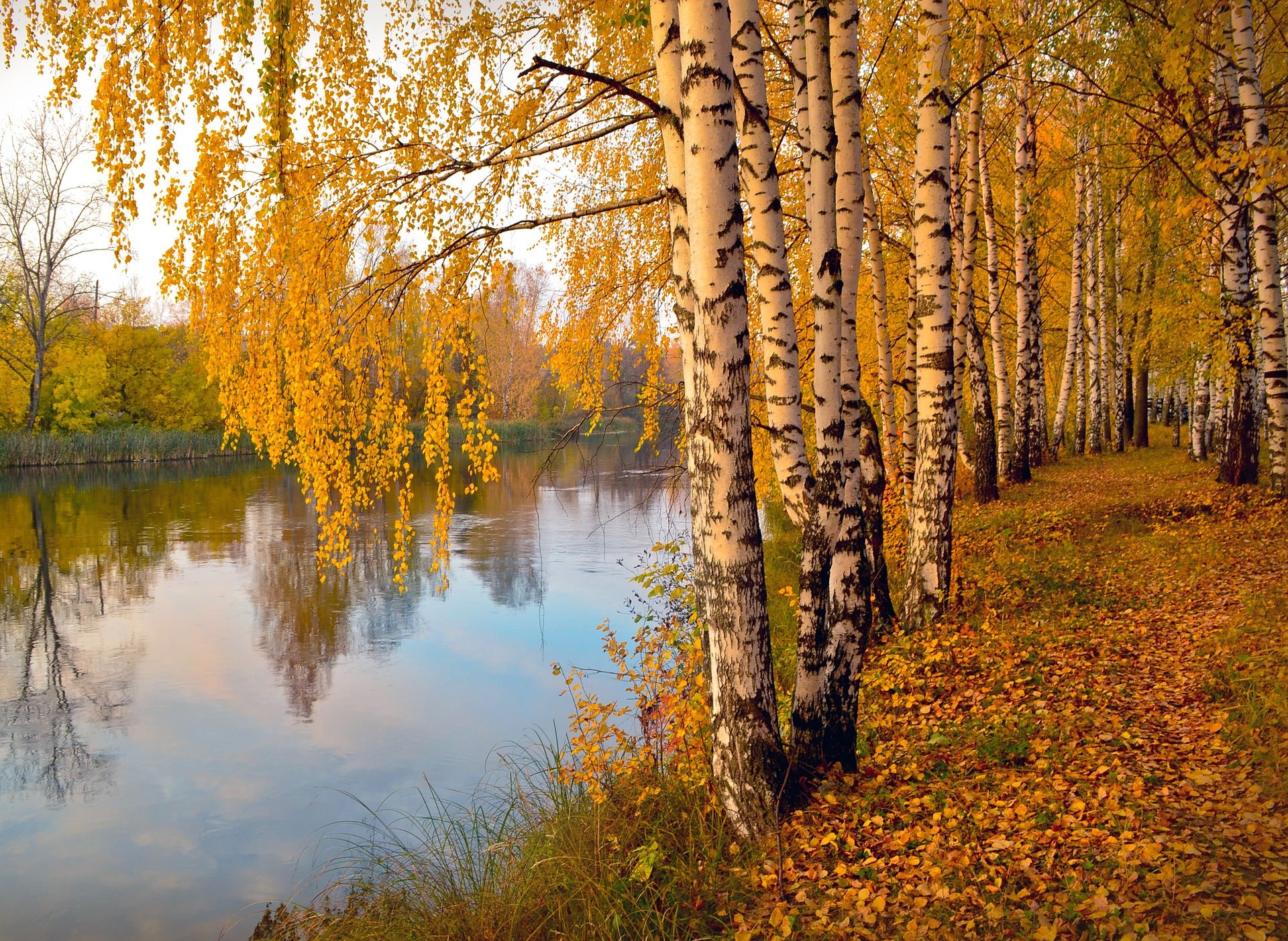
A pioneer tree and nature’s spring cleaner—white birch purifies, drains, and rejuvenates. Birch sugar (xylitol) from the tree rings. Safe during pregnancy (consult a therapist).
Interesting facts about the white birch
- The birch is a pioneer tree—it is the first plant to colonize bare areas after forest fires or on bare ground, thereby creating the conditions necessary for other trees and shrubs to grow.
- Birch sugar (xylitol) has 40% fewer calories than regular sugar, has a very low impact on blood sugar levels, and helps prevent tooth decay—because the bacteria that cause tooth decay cannot break down xylitol.
- In the Russian banya (sauna), birch twig brooms (venik) are indispensable: tapping the body with the twigs stimulates blood circulation and transfers active ingredients directly to the skin.
Effects & Properties
Flavonoids (hyperoside, quercetin-3-glucuronide): Inhibits inflammatory mediators (COX enzymes) and stimulates renal filtration—diuretic and anti-rheumatic.
Bitter compounds + saponins: Stimulate kidney function and metabolism, and promote the elimination of inflammatory byproducts.
Phytosterols + Vitamin C: Regulate cholesterol and protect cells from oxidative damage.
Features: Detoxifying, diuretic, anti-rheumatic, anti-inflammatory, cleansing, cholesterol-regulating.
Applications
Silver birch for rheumatism and joint pain
Rheumatic joint inflammation is often caused or exacerbated by deposits in the connective tissue surrounding the joints—uric acid, urea, and other metabolic waste products that the body has been unable to eliminate sufficiently. The flavonoids in white birch stimulate the kidneys to excrete these substances more efficiently. At the same time, they directly inhibit the inflammation-promoting signaling molecules in the joint. This relieves pressure on the joint from both inside and out.
Betula alba for urinary tract infections
Urinary tract infections are usually caused by bacteria that travel up the urinary tract. The diuretic effect of birch increases urine production: the urinary tract is mechanically flushed, bacteria are diluted and flushed out, and the time they spend adhering to the bladder wall is reduced. Tannins and flavonoids complement this with a direct antibacterial effect. Classic spring kidney cure: several cups daily with plenty of liquid.
Silver birch for spring fatigue and emotional baggage
After winter, stress hormones, inflammatory byproducts, and waste products have accumulated—the kidneys can no longer keep up with their elimination. This manifests as exhaustion, listlessness, and a general feeling of physical heaviness. As a spring detoxifying plant, white birch mobilizes precisely these waste products: flavonoids activate the kidneys, bitter compounds stimulate the liver, and vitamin C replenishes the micronutrient stores depleted over the winter.
Betula alba for skin conditions
When the kidneys are overloaded with waste products, the skin steps in as a compensatory organ—inflammatory byproducts are excreted through the skin and irritate the epidermis. This manifests as psoriasis, atopic dermatitis, or blemished skin. Silver birch relieves the skin by stimulating excretion through the kidneys: fewer waste products need to be excreted through the skin. At the same time, the flavonoids have a direct anti-inflammatory effect on the irritated skin.
Instructions for Use
Tea, elixir, spagyric remedy, or homeopathic remedy. Take as a short course of treatment in the spring, drinking plenty of fluids. Do not take continuously.
Pregnancy & Breastfeeding
Concentrated ready-to-use preparations: insufficient evidence. Tea in normal amounts and spagyric preparations may be taken in consultation with a therapist.
Birch pollen allergy
Cross-reactions between birch pollen and substances found in birch leaves are possible. Consult a therapist—introduce the substance gradually and monitor for reactions.
Plant Profile
- Scientific name: Betula alba L. (syn. Betula pendula)
- Plant family: Birch family (Betulaceae)
- Other names: Weeping birch, sand birch
- Flowering season: March through May
- Origin: Europe and North Asia
- Toxicity: Non-toxic
