

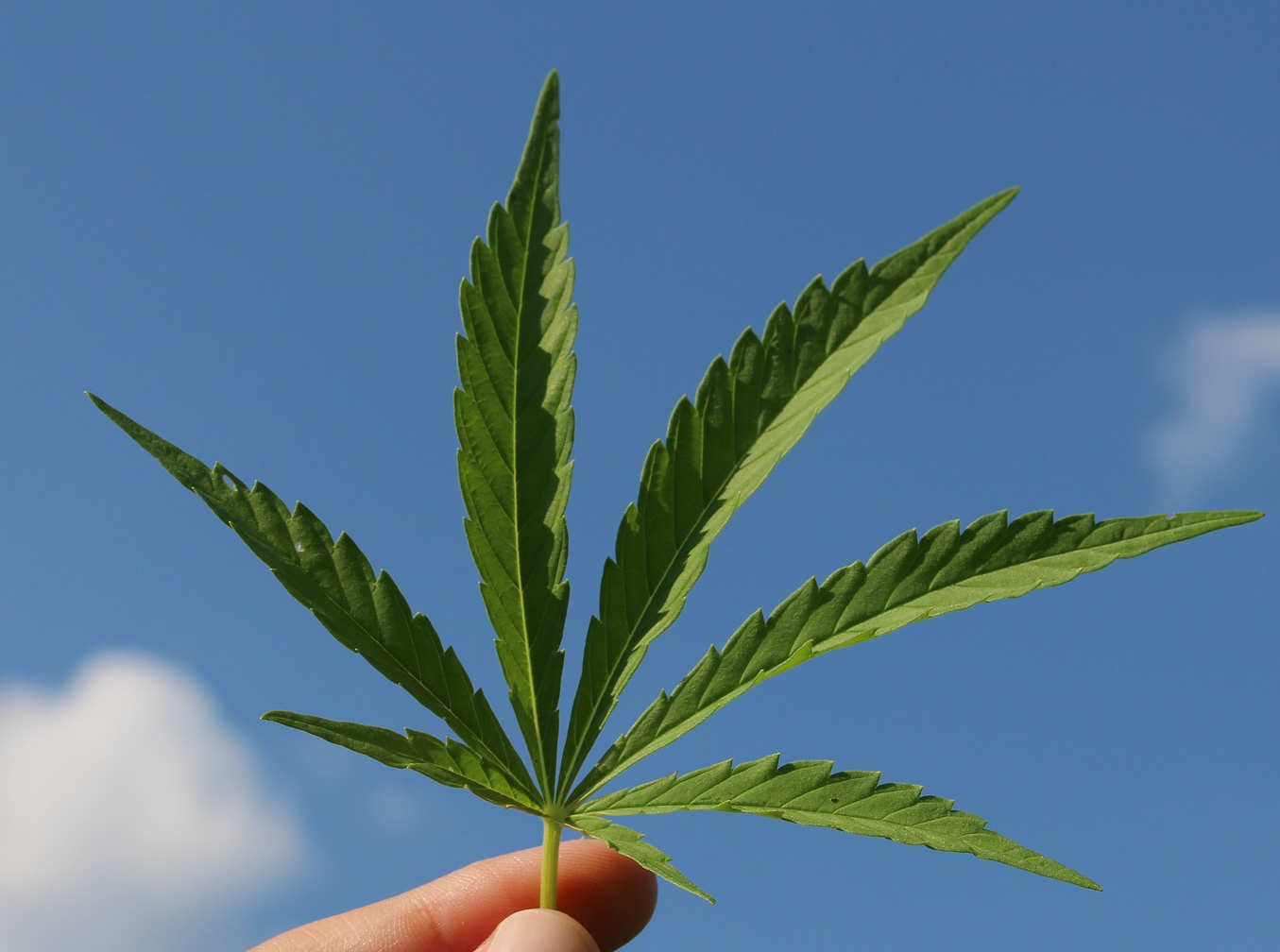
Hemp is one of the oldest medicinal plants. With the discovery of the endocannabinoid system, cannabis has experienced a medical renaissance.
Interesting Facts About Cannabis
Cannabis has surprising properties that go far beyond its well-known reputation.
- Cannabis fibers were used to make clothing and ropes—Gutenberg printed his Bible on hemp paper.
- Hemp can be used to produce a fully recyclable plastic.
- Our brain has special cannabinoid receptors—a dedicated system for these plant compounds.
Effects & Properties
The body has its own Cannabinoid receptor system throughout the body. THC and CBD bind to these receptors and influence pain, stress responses, muscle tension, and digestion. Active ingredients: 113 cannabinoids, including THC (tetrahydrocannabinol) and CBD (cannabidiol), terpenes, flavonoids. THC is concentrated in the female flower—the seeds contain no THC.
Features: pain-relieving, relaxing, antispasmodic, appetite-stimulating, calming, euphoric.
Applications
The endocannabinoid system has receptors throughout the body—hence its broad range of effects.
Cannabis as a pain reliever
Chronic pain occurs when pain signals in the nervous system remain constantly activated—conventional painkillers often lose their effectiveness. Cannabis acts directly on pain processing in the brain and spinal cord via cannabinoid receptors. It is a reliable alternative to opioids, with a lower risk of addiction and fewer side effects. It is particularly effective for chronic pain conditions such as fibromyalgia.
Cannabis sativa for headaches
Many types of headaches are caused by stress and excessive tension in the nervous system. Through cannabinoid receptors in the central nervous system, cannabis directly influences how the body processes stress—nervous tension eases, blood vessels relax, and the headache subsides.
Cannabis for Menstrual Cramps
Menstrual cramps are caused by involuntary, painful contractions of the uterine muscles. Cannabis acts through the endocannabinoid system to relax the smooth muscles—the cramps become less severe, and the pain subsides. The calming effects also help alleviate the emotional symptoms associated with the menstrual cycle.
Cannabis sativa for Multiple Sclerosis
In multiple sclerosis, the body’s own immune system attacks the myelin sheaths surrounding the nerves—causing the nerves to become hyperexcitable and leading to uncontrolled movements and spasms. Cannabis reduces nerve hyperexcitability directly in the central nervous system via cannabinoid receptors. This helps alleviate involuntary movements, tremors, and spasticity.
Cannabis for Parkinson's Disease
The resting tremor associated with Parkinson's disease is caused by an imbalance of neurotransmitters in the basal ganglia. Studies show that cannabis has a beneficial effect on resting tremors: it calms nervous excitability by reducing signal transmission via cannabinoid receptors. Motor control improves.
Cannabis sativa for loss of appetite
Among other things, the endocannabinoid system regulates the sensation of hunger. In cases of serious illness, chemotherapy, or prolonged fatigue, appetite can be completely lost. Cannabis stimulates the hunger and digestive systems via cannabinoid receptors—the sensation of hunger returns and food intake improves. This is particularly significant for cancer patients.
Cannabis for Nausea
Nausea is caused by signals from the gastrointestinal tract that are transmitted to the brain via the nervous system. Cannabis interferes with this signaling pathway through cannabinoid receptors—the nausea signals are dampened, the urge to vomit subsides, and appetite returns. It is particularly effective for chemotherapy-induced nausea.
Cannabis for Asthma
In psychogenic asthma, stress is the trigger for bronchoconstriction. Cannabis relaxes the bronchial muscles by reducing the stress response in the brain via cannabinoid receptors. The airways open up again, making breathing easier.
Instructions for Use
As homeopathic or spagyric preparation. Available only by prescription in Germany.
Pregnancy & Breastfeeding
Hemp flowers (THC): Do not use during pregnancy or while breastfeeding. Hemp seeds as a food: without hesitation. CBD oil: not recommended – insufficient studies.
THC and seeds
THC is concentrated in the female flower—the seeds contain no THC. Hemp seeds are therefore safe to eat.
Plant Profile
- Scientific name: Cannabis sativa
- Plant family: Cannabaceae
- Other names: Hemp, marijuana
- Flowering period: July through August
- Origin: Originally Kazakhstan
- Toxicity: Mildly toxic
