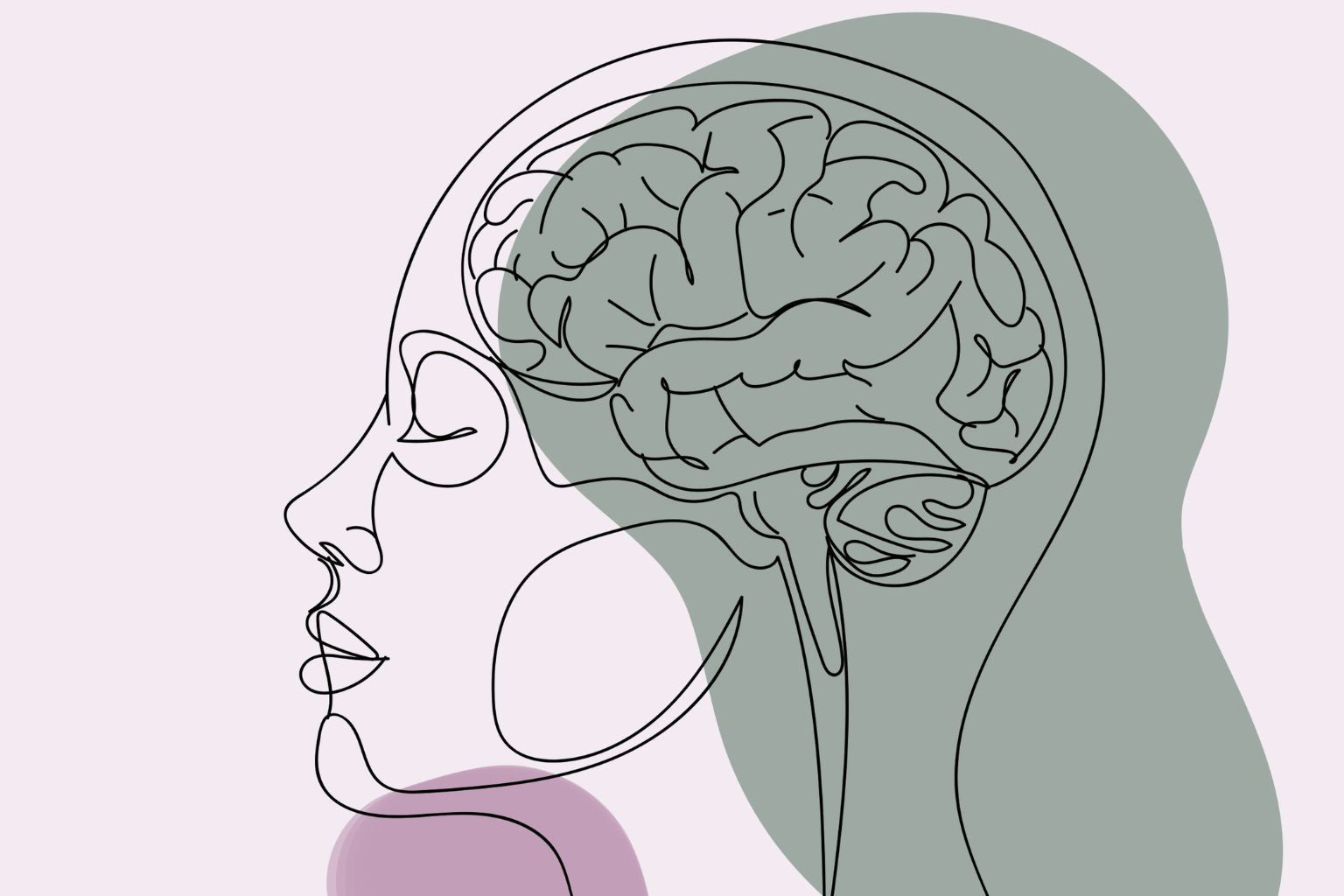



Why Weight Management Is More Than Just Counting Calories
Many people find themselves in the same situation: A diet works well at first, but after a few months, the weight comes back. This phenomenon often has less to do with a lack of discipline than many people assume.
The body has complex systems that regulate hunger, satiety, and energy expenditure. If fewer calories are consumed over an extended period, the body often responds with adaptive mechanisms. The feeling of hunger increases, while energy expenditure may decrease. This is precisely why many people find it difficult to maintain a reduced weight long-term.
The discussion surrounding medications like Ozempic has brought this biological connection into sharper focus. The real “aha” moment, however, is this: Successful weight management doesn’t start on the scale, but with the mechanisms that regulate hunger, satiety, and metabolism.
Causes and Correlations
Weight gain is rarely caused by a single factor. Most often, various biological and behavioral influences interact.
1. The feeling of hunger is controlled by hormones
Many people view hunger as purely a matter of willpower. In fact, it is largely regulated by hormones.
Hormones such as ghrelin and GLP-1 influence when hunger arises and when satiety is perceived. If this balance is disrupted, it can become more difficult to consciously control food intake. Highly processed foods, in particular, appear to further influence these natural signals.
2. Metabolism adapts to changes
Metabolism isn’t rigid; it responds to the energy available.
If you eat significantly less over an extended period, your body often tries to conserve energy. This protective mechanism made sense from an evolutionary perspective, but it can contribute to weight loss proceeding more slowly than expected. This is precisely why short-term crash diets often do not lead to long-term success.
3. Belly fat is more hormonally active than many people think
Adipose tissue does more than just store energy.
Belly fat, in particular, produces various signaling molecules that can influence metabolic processes. This creates a complex relationship between body weight, blood sugar regulation, and hormonal signals. This mechanism explains why belly fat is often given greater medical attention than fat deposits in other parts of the body.
4. Stress affects eating behavior
Stress affects not only the mind but also hunger and satiety.
Under prolonged stress, cortisol levels often rise. This hormone can trigger cravings and, at the same time, make high-calorie foods seem more appealing. Many people therefore underestimate the impact of sleep, rest, and stress management on their weight.
Typical Challenges in Weight Loss
Weight management is often complicated by recurring patterns. These challenges frequently have biological causes.
1. Cravings do not always stem from genuine hunger
Many urges to eat arise independently of actual energy needs.
Stress, habits, emotional strain, or highly processed foods can cause the brain to crave additional food. This makes it difficult to distinguish between genuine hunger and food cravings.
2. Weight plateaus despite your efforts
Weight plateaus are among the most common frustrations when trying to lose weight.
These are often due to the body’s metabolism adjusting. The body tries to stabilize its current weight and therefore responds less strongly to measures that were previously successful.
3. Belly fat often changes more slowly
Many people initially lose weight in other areas of the body.
Belly fat often responds more slowly to lifestyle changes. This is due, in part, to its unique hormonal activity. As a result, it often seems as though certain measures aren’t working, even though other metabolic processes are already improving.
4. Setbacks are part of the process
Many people experience phases in which old habits return.
This doesn’t automatically mean failure. Long-term changes usually don’t happen in a straight line, but rather through repeated adjustments to one’s lifestyle. Understanding this can help you develop realistic expectations.
What helps in everyday life?
Sustainable weight management is usually based on several building blocks that complement one another.
1. Pay attention to natural satiety signals
Eating slowly and being mindful of hunger and fullness can help you make better use of your body’s natural regulatory mechanisms.
Many people eat faster than the feeling of fullness can set in. As a result, they often consume larger amounts than necessary.
2. Make a point of including protein and fiber
Protein-rich and fiber-rich foods often promote a longer-lasting feeling of fullness.
This makes it easier to keep blood sugar stable and reduce sudden bouts of cravings.
3. Use regular exercise to support your metabolism
Exercise does more than just burn calories.
It improves insulin sensitivity, supports muscle maintenance, and positively influences numerous metabolic processes. Long-term consistency is particularly important here.
4. Take sleep seriously as a metabolic factor
Lack of sleep affects various hunger and satiety hormones.
Even just a few nights of insufficient sleep can contribute to increased feelings of hunger and make high-calorie foods seem more appealing.
5. Consciously reduce stress
A balanced daily routine can have a greater impact on weight management than many people realize.
Relaxation techniques, exercise, social interactions, and regular periods of rest can help break stress-induced eating patterns.

Sustainable weight management usually doesn’t come from deprivation, but rather from the interplay of satiety, exercise, sleep, and a balanced lifestyle.
Natural Support and Medicinal Plants
Naturopathic methods are often used to support a mindful lifestyle, digestive processes, and overall well-being. It’s important to note that medicinal plants are not a shortcut to weight loss. They are primarily used as a supplement and do not replace a balanced diet or exercise. The scientific evidence varies significantly depending on the plant.

These medicinal plants are traditionally valued for supporting a mindful lifestyle and personal well-being.
1. Artichoke (Cynara scolymus)
is traditionally used in connection with digestive and fat metabolism processes. For this reason, it is frequently found in naturopathic approaches to nutrition and metabolism.
2. Annual mugwort (Artemisia annua)
has a long tradition in various medical systems. In naturopathic applications, it is often considered in connection with general well-being and metabolic processes.
3. Dandelion (Taraxacum officinale)
is traditionally valued in applications that support digestion, liver function, and nutritional processes. As a result, it plays a role in many naturopathic metabolic approaches.
4. Masterwort (Peucedanum ostruthium)
has long been used in traditional herbal medicine, where it is often associated with digestion and gastrointestinal well-being.
5. Green tea (Camellia sinensis)
is valued for its natural plant compounds and is frequently used in connection with an active lifestyle and mindful nutrition.