


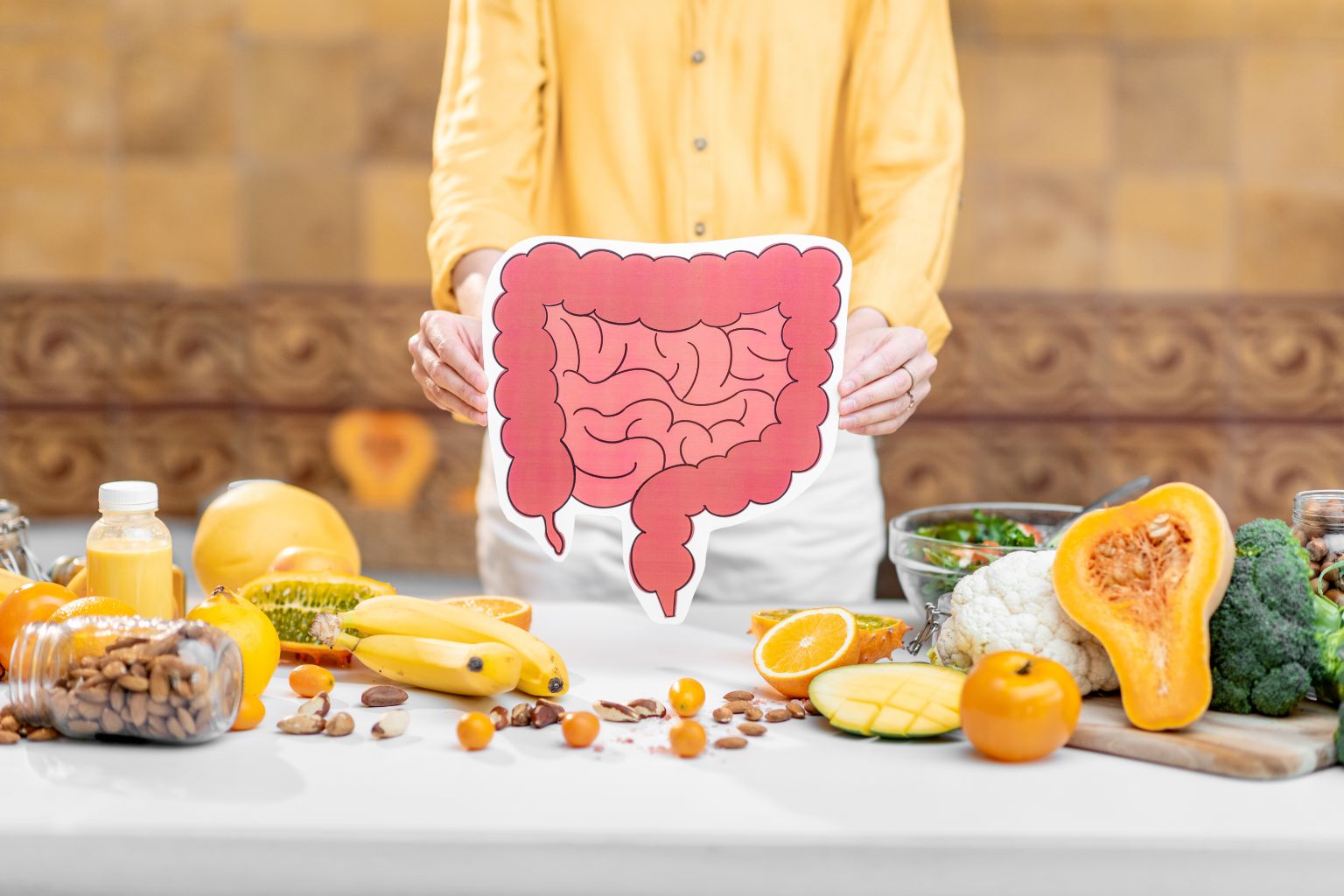
What does "gut detox" actually mean?
Anyone interested in gut health will sooner or later come across the term “gut detox.” On social media, in podcasts, or in advertisements, it’s often recommended to regularly “clean” or “detox” the gut or to restore the gut microbiome. At the same time, numerous products promise greater well-being, better digestion, or even a stronger immune system. So it’s no wonder that many people ask themselves: Does my gut really need a “cleanse”? The short answer is: Not necessarily. Although the term is used very frequently today, there is no standard medical definition. Depending on the provider, a “gut cleanse” can mean something completely different. Some interpret it as a change in diet, others recommend prebiotics or probiotics, while still others rely on dietary supplements or even colonic irrigation.
1. What is the goal of a gut reset?
At the heart of gut restoration is the gut flora, also known as the microbiome. It consists of billions of microorganisms that colonize our gut and perform numerous functions. Among other things, they aid digestion, produce certain vitamins, and help keep pathogens in check. They also interact closely with our immune system. If this delicate balance is disrupted, experts refer to it as dysbiosis. This can occur, for example, after a course of antibiotics or be influenced by various lifestyle factors.
The goal of gut restoration is therefore to create favorable conditions for a diverse and stable gut flora. Contrary to what some advertising claims might suggest, however, this does not mean “cleansing the gut of toxins.” Rather, it is about supporting the gut’s natural processes.
2. Gut restoration and gut cleansing are not the same thing
These terms are often used interchangeably, even though they describe different approaches. Gut restoration focuses on the gut flora. The goal is to support the microbiome through measures such as diet or selected prebiotics and probiotics.
Colon cleansing, on the other hand, has a different goal: here, the focus is on completely emptying the colon. Such measures are primarily used before a colonoscopy or as part of certain medically supervised fasting regimens. In everyday life, however, the two terms are often confused. This can easily give the impression that a colon cleanse is necessary to improve gut flora—but there is no scientific basis for this.
3. Does the colon even need to be “cleansed”?
Many advertisements convey the idea that harmful substances or so-called “toxins” accumulate in the intestines over the years and must be removed regularly. However, there is no scientific evidence to support this assumption. Our bodies already have sophisticated mechanisms for excreting metabolic waste products. The liver and kidneys play central roles in this process, while the intestines naturally transport indigestible food components further along the digestive tract. At the same time, the intestinal mucosa is constantly renewing itself. For this reason, professional associations do not recommend regular colon cleanses or detox regimens for healthy people. Far more important is a lifestyle that supports natural bowel function in the long term.

Intestinal Restoration vs. Colon Cleansing
When Might Intestinal Restoration Be Beneficial?
Even though intestinal restoration isn’t generally necessary, there are situations in which targeted support for the gut flora can be beneficial. However, this is less about short-term treatments and more about giving the gut time and the right conditions to regenerate after specific stressors.
1. After a course of antibiotics
Antibiotics are important medications for treating bacterial infections. However, they do not distinguish between harmful and beneficial bacteria. As a result, the composition of the microbiome can temporarily change. Many people therefore experience digestive symptoms such as bloating or diarrhea after antibiotic therapy. A high-fiber diet and—depending on the situation—selected probiotics can support the restoration of the gut flora.
2. For Persistent Digestive Discomfort
Recurring bloating, constipation, or diarrhea can have various causes. In some cases, the microbiome also plays a role. However, before using over-the-counter gut remedies or dietary supplements on your own, persistent symptoms should be evaluated by a doctor. This is because the symptoms may also be caused by food intolerances or diseases of the digestive tract.
3. For chronic conditions, only after consulting a doctor
People with inflammatory bowel disease or other digestive system disorders should not undertake gut-cleansing measures without medical supervision. In these cases, individualized treatment is more important than general recommendations found online.
What Really Helps Your Gut Flora?
Many gut cleanses advertise quick results. In reality, however, gut flora benefits most from habits that can be permanently integrated into daily life.
1. Fiber is the most important food source for gut bacteria
Dietary fiber serves as an energy source for many beneficial gut bacteria. Vegetables, fruits, legumes, and whole-grain products are particularly rich in fiber. A varied, plant-based diet promotes the diversity of the microbiome and thus supports long-term gut health.
2. Use prebiotics and probiotics wisely
Prebiotics are indigestible dietary fibers that serve as food for beneficial gut bacteria. Probiotics contain live microorganisms and can be beneficial in certain situations—for example, after a course of antibiotics. Whether they actually provide a benefit, however, depends on the specific situation and the bacterial strain used.
3. Take breaks between meals and drink enough fluids
Taking regular breaks between meals gives the digestive system time to carry out its natural processes. At the same time, staying adequately hydrated supports normal digestion. These simple measures are often more effective in the long run than elaborate gut cleanses.
4. Medicinal plants can support digestion
Traditionally, medicinal plants such as fennel, caraway, chamomile, or lemon balm are used to naturally support digestion. However, which medicinal plant is suitable always depends on the individual’s symptoms.

6 Habits for a Healthy Gut Flora
What Should You Avoid During Your Gut Cleanse?
Not everything advertised as a gut cleanse is automatically beneficial. Products or programs that promise rapid “detoxification,” “purification,” or complete cleansing of the gut are particularly questionable.
1. Be Wary of Claims of a Cure-All
If a gut cleanse claims to simultaneously resolve fatigue, skin problems, excess weight, and numerous other symptoms, you should be skeptical. Such claims are usually not scientifically substantiated.
2. Colon cleanses are often not routine procedures
Regular colonic irrigation is not recommended without a medical reason or professional supervision. It can affect fluid and electrolyte balance and is not necessary for healthy people.
3. Long-term habits are more important than short-term cleanses
For gut health, it’s usually more beneficial to consistently maintain a balanced diet, exercise, get enough sleep, and manage stress, rather than regularly relying on short-term gut cleanses.