

When Stress Suddenly Takes a Toll on Your Stomach
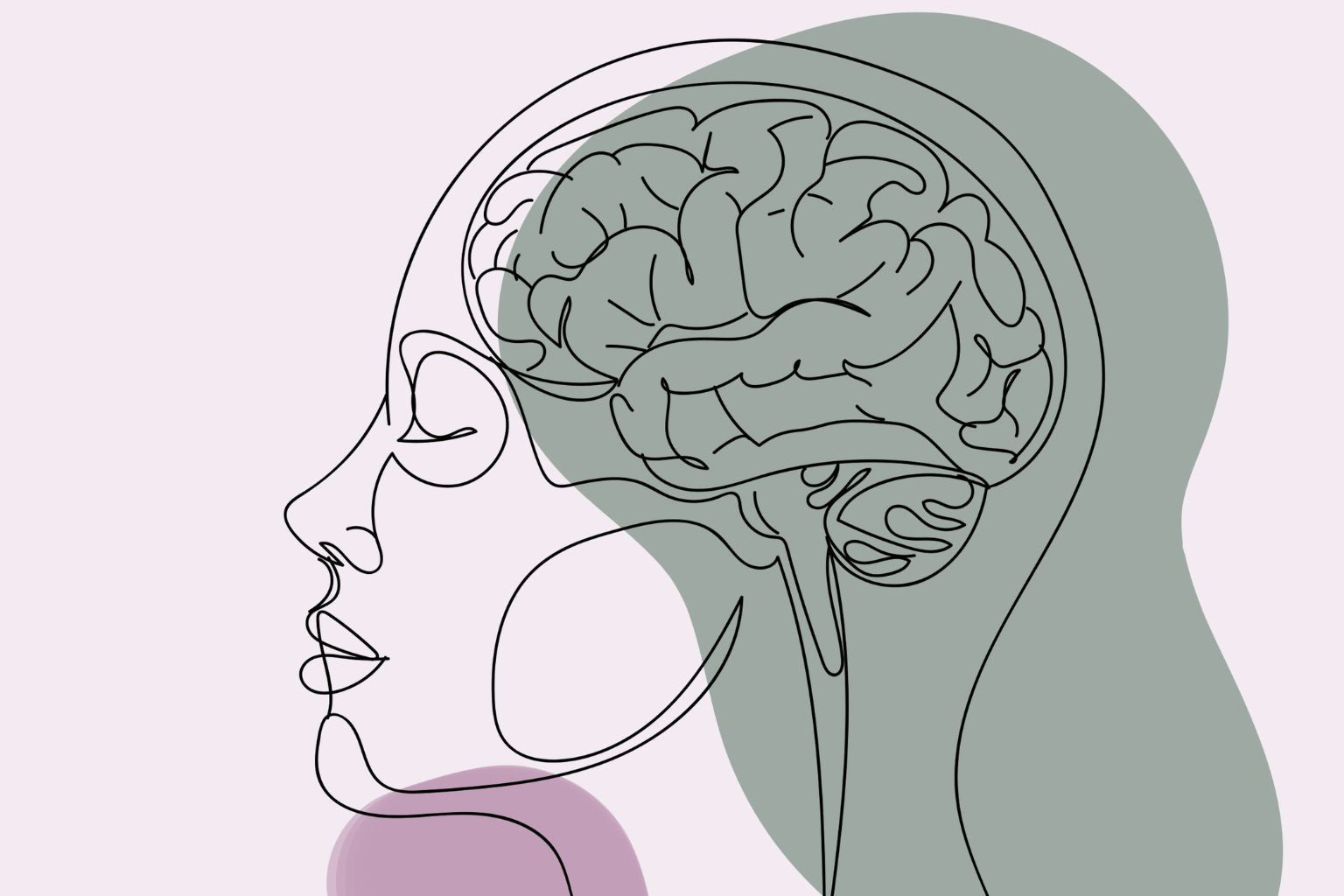
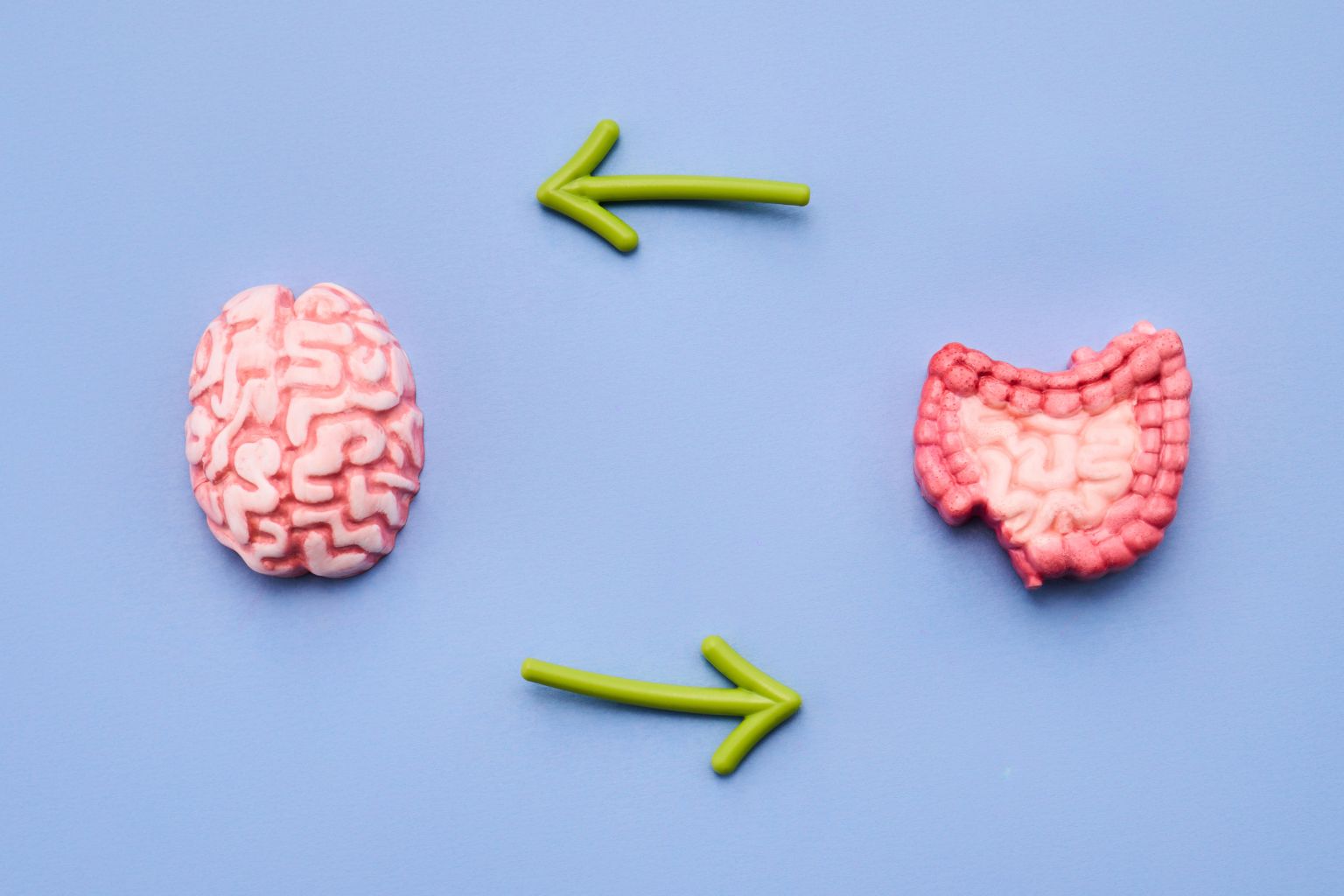
You feel nauseous before an exam. During stressful times, your digestion suddenly goes haywire. And when your stomach isn’t cooperating for days on end, you often feel less emotionally resilient as well. Coincidence? Not quite. There’s a close connection between your gut and your brain—the so-called gut-brain axis. It ensures that both organs exchange information around the clock.
1. Why Your Gut and Brain Are Constantly Communicating
The gut and the brain are much more closely connected than was long assumed. In fact, they communicate with each other constantly—and in both directions. The most important connection is the vagus nerve. It functions like a data highway between your head and your gut, constantly relaying information. Not only does the brain send signals to the gut, but the gut also informs the brain about how it’s doing. This explains why psychological stress can affect digestion—but also why gut discomfort can impact our well-being.
2. Your Gut Is More Than Just a Digestive Organ
When most people think of the gut, they first think of digestion. In fact, however, it performs many more functions. Its intestinal wall contains its own nervous system with around 100 million nerve cells—the so-called enteric nervous system. Due to its complexity, it’s often referred to as the “gut brain.” This nervous system independently controls many digestive processes while maintaining close communication with the brain. It’s therefore no surprise that many emotions are literally felt in the gut. Nervousness, tension, or anxiety can alter digestion—just as persistent digestive issues can affect your mood.
Why Your Gut Can Affect Your Mood
For a long time, it was assumed that our thoughts and feelings originated exclusively in the brain. Today we know that the gut also plays an important role. The microbiome and the immune system, in particular, contribute to the close connection between the gut and the brain.
1. Your Microbiome Influences Key Neurotransmitters
Trillions of microorganisms live in your gut—together, they form what’s known as the microbiome or gut flora. These tiny cohabitants don’t just help with digestion. They also produce and influence various neurotransmitters involved in communication between the gut and the brain. These include, among other things, substances that affect our mood, sleep, or stress response. When the microbiome is in balance, communication between the gut and the brain can function smoothly. However, if the gut flora becomes unbalanced—for example, due to an unbalanced diet, antibiotics, or prolonged stress—this can also affect our well-being.
2. The Immune System Also Plays a Role
A large part of our immune system is located in the gut. Here, the body decides daily which substances are harmless and which must be fought off. At the same time, a healthy gut barrier helps keep unwanted substances confined to the gut. If this delicate balance is disrupted, increased levels of inflammatory messengers can be produced. Researchers believe that these can also influence communication between the gut and the brain. That is why scientists today view the gut-brain axis not merely as a connection between two organs, but as a complex interplay of the nervous system, the microbiome, the immune system, and hormones.
What Throws the Gut-Brain Axis Out of Balance
The gut-brain axis works around the clock. However, for communication between the gut and the brain to function smoothly, many processes must work in tandem. Various factors can disrupt this delicate balance—often gradually and over an extended period of time.
1. Chronic stress affects more than just the mind
Stress is a part of life. In the short term, that’s not a problem. However, if the stress persists for weeks or months, it can affect the entire body—including the gut. Under stress, the body releases increased levels of hormones such as cortisol. At the same time, the activity of the vagus nerve changes; bowel movements can slow down or speed up, and digestion is more easily thrown off balance. This can lead to a wide variety of symptoms. Some people suffer from abdominal pain, while others experience bloating, diarrhea, or constipation. The gut-brain axis plays a particularly important role in irritable bowel syndrome. Added to this is a vicious cycle familiar to many who are affected: intestinal symptoms cause stress—and that stress, in turn, exacerbates the symptoms.
2. Diet, Sleep, and Exercise Make a Difference
It’s not just stress that influences the gut-brain axis. Our daily habits also play an important role. A varied and fiber-rich diet provides gut bacteria with essential nutrients. In contrast, a very unbalanced diet or a high intake of highly processed foods can disrupt the balance of the microbiome. Lack of sleep can also put a strain on the gut-brain axis. People who consistently get too little sleep often have not only less energy but also a more sensitive digestive system. Regular exercise also has a positive effect on the gut. Even a daily walk can stimulate bowel movements and help reduce stress at the same time—two factors that, in turn, can positively impact the gut-brain axis. So it’s often not individual triggers, but rather several lifestyle factors that collectively influence the connection between the gut and the brain.
How to Strengthen Your Gut-Brain Axis in Everyday Life
The good news: You don’t have to completely overhaul your daily routine to support your gut-brain axis. Often, even small habits can make a difference in the long run.
1. Nourish your gut microbiota
A diverse gut microbiome is considered an important foundation for a healthy gut-brain axis. Foods particularly rich in fiber—such as vegetables, fruits, whole grains, legumes, and nuts—serve as food for many beneficial gut bacteria. Fermented foods like plain yogurt, kefir, sauerkraut, and kimchi can also be a useful addition to a varied diet.
What matters most isn’t a single “superfood,” but rather a diet that’s as varied and balanced as possible.
2. Give your nervous system regular breaks
It’s not just your gut that needs rest—your nervous system does, too. Conscious breaks throughout the day can help activate the vagus nerve and relieve the body of chronic stress. For example, many people find slow abdominal breathing, meditation, yoga, or walks in nature to be soothing. Getting enough sleep and taking regular breaks also help keep communication between the gut and the brain in balance. Those who want to naturally support their relaxation routine often turn to traditionally used medicinal plants such as lemon balm, passionflower, or lavender.